Almaty, Kazakhstan Travel Guide 2026: The Silk Road's New Gateway
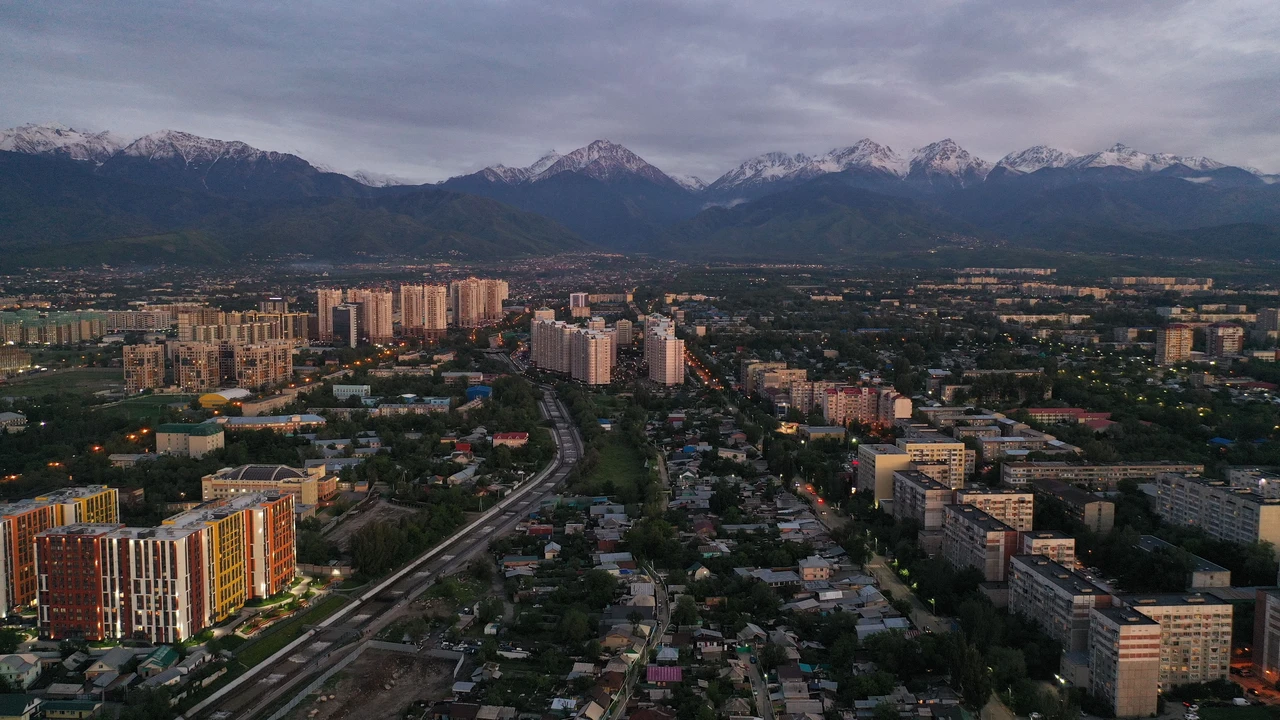
Almaty spent decades in the shadow of its own reputation: a former Soviet capital known mostly to backpackers threading the old Silk Road overland route between Bishkek and Tashkent. That is changing fast. Between March and September 2026 alone, Almaty added direct flights to Tokyo, Warsaw, Amman and Busan, turning Kazakhstan's largest city into one of Central Asia's best-connected hubs almost overnight. Unlike neighboring Kyrgyzstan's nomadic yurt culture or Uzbekistan's ancient Silk Road cities, Almaty's pitch is different: a genuinely modern, walkable city that happens to sit at the foot of the Tian Shan mountains, twenty minutes from a ski resort and two hours from a canyon that looks like a smaller, redder cousin of the Grand Canyon. This guide covers what changed in 2026, what to actually do once you land, and how to plan a realistic first trip, drawing only on verified route announcements, official visa rules and on-the-ground attraction details, not marketing copy.
Almaty's New Wave of International Flights in 2026
The single biggest reason Almaty is worth a fresh look in 2026 is connectivity. Air Astana launched a direct route between Almaty and Tokyo in March 2026, opening the first meaningful link between Kazakhstan and Japan. LOT Polish Airlines followed on May 31, 2026 with a new Almaty-Warsaw service, running four times weekly in summer and three times weekly through winter, giving European travelers a one-stop option into Central Asia via Warsaw's hub. Royal Jordanian added a direct Amman-Almaty route the same year, and South Korea's Eastar Jet began twice-weekly Almaty-Busan flights on May 1, 2026. Budget carrier FlyArystan also restarted seasonal links to Samarkand and added a new route to Urgench, making onward hops into Uzbekistan considerably easier for anyone combining both countries in one trip.
None of this happened by accident. Almaty International Airport has been actively courting long-haul and regional carriers as Kazakhstan positions itself as a connector between East Asia, the Middle East and Europe. For travelers, the practical upshot is that a Central Asia itinerary no longer has to route exclusively through Istanbul or Dubai — and a city that used to require real effort to reach is now a realistic long-weekend or two-week anchor point.
Exploring Almaty City
Almaty rewards a slower pace than most Central Asian capitals. The city center is compact and tree-lined, a legacy of Soviet-era urban planning that deliberately favored wide boulevards and parkland. Panfilov Park is the natural starting point, home to the wooden Ascension Cathedral (Zenkov Cathedral) — reportedly one of the tallest wooden buildings in the world, built without nails in 1907 and still standing after a major 1911 earthquake leveled much of the surrounding city. Nearby, the Green Bazaar is where locals actually shop: stalls of dried fruit, horse-meat sausages, fermented mare's milk (kumis) and mountains of spices make it a far more genuine introduction to Kazakh food culture than any restaurant.
Kok Tobe and City Views
A cable car climbs from the city center to Kok Tobe hill, where a small amusement park and a cluster of viewpoint cafes give a full panorama over Almaty toward the mountains. It's touristy by local standards but genuinely worth the ride for orientation on a first day, especially at sunset when the Tian Shan peaks catch the light.
Shymbulak and Big Almaty Lake
What sets Almaty apart from almost every other Central Asian capital is how quickly the city gives way to alpine terrain. Shymbulak Ski Resort sits roughly 25 kilometers from downtown and is reachable by gondola directly from the Medeu skating rink, itself a striking high-altitude speed-skating venue built into a mountain valley. In winter, Shymbulak offers legitimate skiing at elevations above 3,000 meters; in summer, the same lifts carry hikers and mountain bikers up for views rather than snow. A half-day trip further into the mountains reaches Big Almaty Lake, a glacial lake whose color shifts between turquoise and deep blue depending on the season and mineral runoff — a popular, easy half-day escape that needs no more than a rental car or an organized tour.
Charyn Canyon and the Kolsai Lakes: Kazakhstan's Natural Wonders
The attractions that actually justify a multi-day Almaty trip lie two to four hours outside the city. Charyn Canyon, roughly 200 kilometers east of Almaty, has been carved by the Charyn River over millions of years into a network of red sandstone formations that locals and tour operators alike describe as a smaller sibling of the Grand Canyon — the comparison is a little generous, but the Valley of Castles section, with its narrow eroded corridors and rust-colored walls, is genuinely dramatic and rarely crowded compared to equivalent sites in the American Southwest or Jordan.

Further east, the Kolsai Lakes form a chain of three alpine lakes set among pine forest, with hiking trails connecting the lower and middle lakes for travelers who want more than a viewpoint stop. Many tours pair Kolsai with nearby Kaindy Lake, known for the drowned forest of Picea trunks that still rise, bare and pale, through its clear water — the result of a 1911 earthquake-triggered landslide that dammed a valley and flooded a spruce forest in place. Most visitors see Charyn Canyon, Kolsai and Kaindy as a single long day trip or, better, a relaxed two-day loop with an overnight near the lakes, since driving all three in one day leaves little time to actually walk the trails.

Visa Rules, Currency, and Practical Planning
Kazakhstan keeps entry genuinely simple for most Western travelers. Citizens of around 56 countries, including the United States, the United Kingdom, Canada, Australia and the entire European Union, can enter visa-free for up to 30 days per visit, capped at 90 days within any 180-day period — no advance application or fee required for a standard tourist stay. Kazakhstan has also been phasing in an electronic travel authorization system called QazETA for visa-free visitors, so it's worth checking the current requirement shortly before departure rather than assuming the rules haven't shifted since your last search.
The local currency is the tenge (KZT), trading at roughly 480-520 to the US dollar through 2026, though exchange rates fluctuate and should be checked close to your travel dates. Cards are widely accepted in Almaty's restaurants and hotels, but cash is still useful at the Green Bazaar and for day-trip drivers. The U.S. State Department rates Kazakhstan Level 1, "Exercise Normal Precautions" — its lowest advisory tier, on par with much of Western Europe and notably calmer than some neighboring Central Asian states.
Best time to visit is late spring (May) or early autumn (September), when daytime temperatures in the city are comfortable and the canyon and lake day trips are at their most accessible before winter snow closes higher passes. Summer works well specifically for the Shymbulak lift-served hiking and Big Almaty Lake, while a winter trip trades the canyon and lakes for genuinely good, still relatively uncrowded skiing.
How Almaty Compares to Kyrgyzstan and Uzbekistan
Anyone weighing a first Central Asia trip is usually choosing between three fairly different experiences. Our Kyrgyzstan travel guide covers a country built around nomadic culture — yurt stays at Song-Kul, alpine lakes at Issyk-Kul, and the biennial World Nomad Games. Our Uzbekistan guide is anchored on ancient Silk Road architecture — the Registan in Samarkand, Bukhara's old town, Khiva's walled city — linked by a genuinely fast high-speed rail network. Almaty offers a third, distinct option: a modern, liveable city with real restaurants, a functioning metro and international-standard hotels, paired with mountain and canyon scenery that's reachable on a day trip rather than a multi-day expedition. It's arguably the easiest of the three for a first-time Central Asia visitor precisely because so little logistical planning is required once you land — and with FlyArystan's revived Samarkand and new Urgench routes, it's now genuinely realistic to combine Almaty with a few days in Uzbekistan on a single trip.
A Practical 5-Day Almaty Itinerary
Day 1: Land, settle in, and spend the afternoon at Panfilov Park, Zenkov Cathedral and the Green Bazaar, finishing with the Kok Tobe cable car for sunset. Day 2: Ride the gondola from Medeu up to Shymbulak, hike or ski depending on season, and continue on to Big Almaty Lake if daylight allows. Day 3: Full-day tour to Charyn Canyon, focused on the Valley of Castles trail. Day 4: Kolsai and Kaindy Lakes, ideally with an overnight near Kolsai to allow an early trailhead start before tour groups arrive. Day 5: A relaxed final morning in the city — the Central State Museum or Almaty's growing specialty-coffee scene — before an afternoon flight out, or an onward connection to Bishkek, Samarkand or Tashkent using one of 2026's new regional routes.
Frequently Asked Questions
Do I need a visa to visit Almaty, Kazakhstan?
Most US, UK, EU, Canadian and Australian citizens can enter visa-free for up to 30 days per visit, capped at 90 days within any 180-day period. Kazakhstan has been phasing in an electronic travel authorization (QazETA) for visa-free visitors, so confirm the current requirement shortly before you travel.
Is Almaty safe to visit in 2026?
Yes. The U.S. State Department rates Kazakhstan Level 1, "Exercise Normal Precautions," its lowest advisory category. Standard city-travel precautions around belongings and traffic apply, as they would in any major capital.
How many days do you need in Almaty?
Four to five days hits the sweet spot: enough time to cover the city, one mountain day (Shymbulak or Big Almaty Lake) and the Charyn Canyon/Kolsai Lakes day trips without rushing.
What's the best way to fly into Almaty in 2026?
Almaty added direct routes from Tokyo (Air Astana, March 2026), Warsaw (LOT Polish Airlines, May 2026), Amman (Royal Jordanian) and Busan (Eastar Jet, May 2026) in 2026, alongside existing connections through Istanbul, Dubai and Moscow. European travelers now have a realistic one-stop option via Warsaw rather than routing through the Gulf.
Can I combine Almaty with Kyrgyzstan or Uzbekistan on one trip?
Yes, and 2026's new routes make it easier than before. FlyArystan's revived Almaty-Samarkand and new Almaty-Urgench flights connect directly into Uzbekistan, while Bishkek, Kyrgyzstan, is a roughly four-hour land crossing or a short flight away.
Plan Your Almaty Trip
Almaty's 2026 flight expansion is exactly the kind of verifiable, dateable shift that makes a destination worth reconsidering rather than a fleeting trend: real airlines committing to real routes, not a single press release. Pair it with the practical entry rules and the canyon-and-lake day trips above, and a first Central Asia trip suddenly looks a lot less daunting. If you're mapping out a wider regional itinerary, our guides to Kyrgyzstan and Uzbekistan cover the two destinations that pair most naturally with Almaty, and our roundup of the best new direct flights worth booking in 2026 tracks more of the routes making trips like this one easier to book. Start watching fares now — new routes tend to carry their best launch pricing in the first several months.