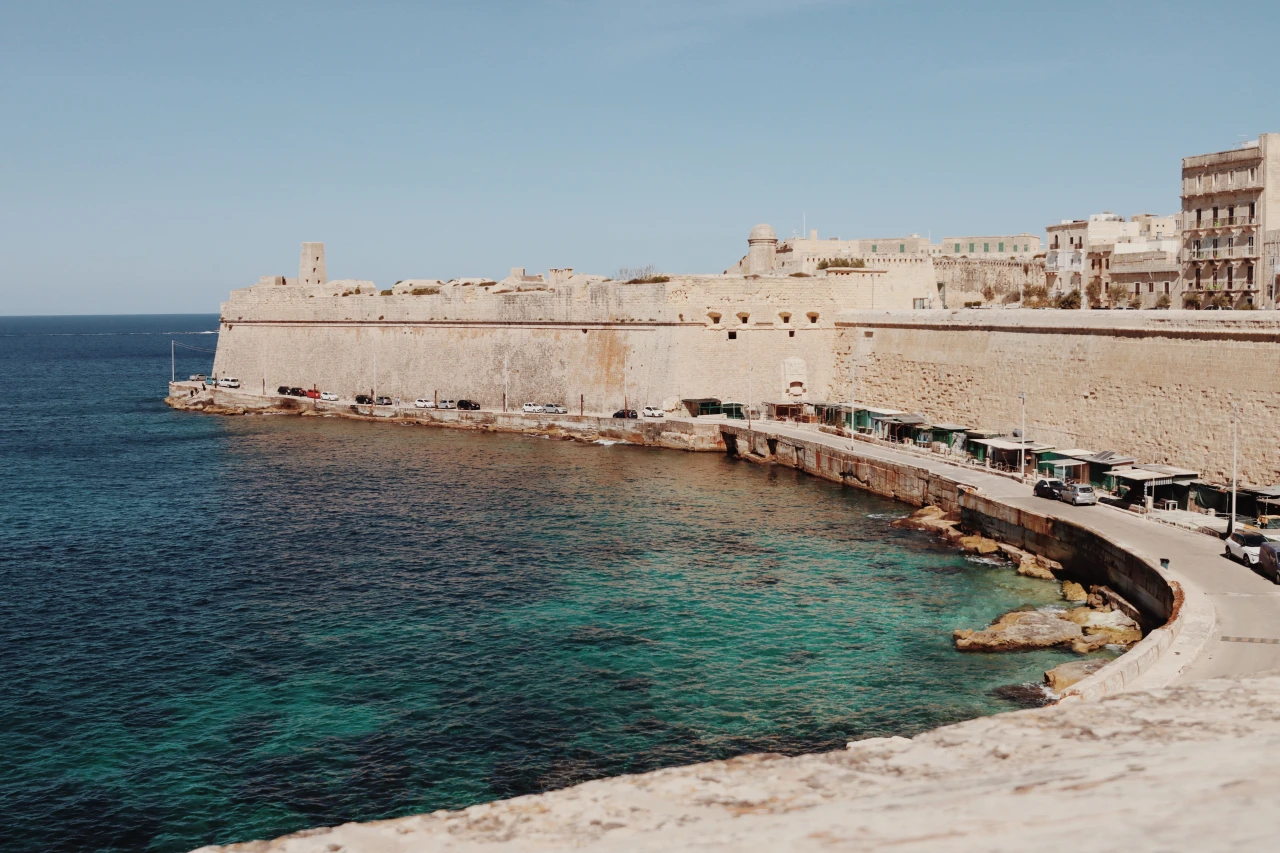
Best Time to Visit Malta: Why September–October 2026 Is Better Than Summer
If you have only ever considered Malta as a July or August beach stop, you are booking at the most expensive, most crowded, and honestly least comfortable time of year to go. Editors and travel researchers who track shoulder-season data consistently point to the same window for this small Mediterranean archipelago: September and October. The sea has spent an entire summer absorbing heat and is now at its warmest, the punishing midday sun has eased off, hotel rates soften as the school-holiday crowds go home, and Malta's biggest cultural nights of the year - Notte Bianca in Valletta and the start of the Rolex Middle Sea Race - both fall in this exact window. This guide breaks down the weather, the costs, the best things to do, and the practical details you need to plan a Malta trip for best time to visit Malta season in autumn 2026, so you can decide whether to swap your summer flights for a shoulder-season one instead.
Why Shoulder Season Beats Peak Summer in Malta
Malta's high season runs from roughly June through August, when cruise ships, package tours, and European school holidays converge on an archipelago that is only about a third the size of New York City. September and October keep almost all of the summer's appeal while trimming away its worst downsides.
Weather and Sea Temperatures in September and October
September in Malta is still summery, with average highs around 29°C (83°F) and sea temperatures peaking near 25-26°C (77-79°F) - often warmer than in June, since the Mediterranean takes months to heat up and holds that warmth into autumn. October cools gradually, typically staying above 25°C for much of the month, though it is also the point where the first real rain returns after a dry summer, so short thunderstorms become more common toward the back half of the month. In practice, this means early-to-mid September behaves like a quieter version of August, while October rewards travelers who pack a light rain jacket alongside their swimwear.
Crowds and Prices Drop Without the Trade-Offs
Because Maltese schools and most of Malta's European visitor base return to routine after August, accommodation availability opens up and rates soften noticeably compared to peak summer. You are less likely to queue for the Blue Lagoon ferry on Comino or fight for a sunbed at Golden Bay, and restaurants in Valletta and Sliema are easier to book on short notice. None of this comes at the cost of good weather - which is the core reason shoulder season has become the answer travel experts give most often when asked for the best time to visit Malta.
Best Things to Do in Malta During Shoulder Season
Autumn in Malta works well for travelers who want to mix beach time with history, since the cooler evenings make walking around fortified cities far more pleasant than in the summer heat.
Beaches and Water Activities
September's sea temperature is arguably the best of the entire year for swimming, snorkeling, and stand-up paddleboarding. Golden Bay and the neighboring Riviera Beach remain popular but noticeably calmer once August ends, and St. Peter's Pool near Marsaxlokk is a favorite for cliff-jumping and clear-water swimming without the summer scrum. A boat trip to the Blue Lagoon on Comino is still worthwhile in autumn, and it is dramatically less crowded than a July visit.
Historic Sites and Temples
Malta holds some of the oldest free-standing stone structures on Earth, and cooler shoulder-season temperatures make exploring them far more comfortable. The Ħaġar Qim and Mnajdra temple complexes on the main island, and the Ġgantija temples on Gozo, are UNESCO-listed and best appreciated without the midday summer sun beating down on exposed limestone. Pair a temple visit with Mdina, Malta's walled former capital, which is atmospheric year-round but especially pleasant to wander at golden hour in September.
Notte Bianca and the Rolex Middle Sea Race
Valletta's Notte Bianca ("White Night") is held on a Saturday evening in early October and turns the capital into a free, open-air cultural festival: museums, churches, and heritage sites open their doors into the night, often with live music and street performances throughout the city. A few weeks later, the Mediterranean's sailing community descends on Malta for the Rolex Middle Sea Race, a roughly 600-nautical-mile offshore race around Sicily that starts from Grand Harbour and is expected to run its 47th edition starting October 17, 2026. Watching the fleet depart is a free spectacle and a good excuse to time a visit around mid-October.
Where to Stay in Malta and Gozo
Sliema and St. Julian's remain the most convenient bases for first-time visitors, offering easy bus and ferry connections to Valletta along with a wide range of restaurants and waterfront promenades for evening walks. Valletta itself, a UNESCO World Heritage city, has a smaller but increasingly appealing boutique-hotel scene inside converted historic townhouses, ideal if you want to be within walking distance of museums and the Notte Bianca festivities. For a slower pace, Gozo - reached by a short ferry from Ċirkewwa - offers countryside guesthouses and farmhouse conversions that suit travelers who want to add a two- or three-night extension away from the busier main island.
Budgeting for a Malta Trip in Autumn
Malta is one of the more affordable countries in the Eurozone, and shoulder season improves the math further since accommodation rates fall from their summer peak. Budget travelers who stick to public buses, self-catering or casual dining, and mid-range guesthouses can generally expect daily costs in the range of roughly €35-45 per person outside peak summer, compared with closer to €55-60 per day in July and August. Add typical archaeological site entry fees (generally in the single-to-low-double-digit euro range per site) and a Comino boat trip, and a comfortable week in Malta during shoulder season remains one of the better value Mediterranean itineraries available to European travelers.
Practical Tips for Visiting Malta in September and October
A little planning goes a long way, since Malta's autumn weather is more changeable than its summer months.
What to Pack and How to Get Around
Pack layers: swimwear and light clothing for daytime heat, a compact rain jacket for the possibility of October thunderstorms, and comfortable walking shoes for the uneven limestone streets of Valletta and Mdina. Malta's public bus network connects all the major towns cheaply, though renting a small car gives more flexibility for reaching quieter beaches and rural Gozo. Ferries between Malta, Gozo, and Comino run frequently and are the easiest way to island-hop without a car.
Entry Requirements
Malta is part of the Schengen Area, so travelers from the US, UK, Canada, Australia, and most other visa-exempt countries can typically stay up to 90 days within a 180-day period without a visa, provided passports are valid for at least three months beyond the planned departure date. Always confirm current entry requirements with Malta's official tourism authority or your national government before booking, since rules can be updated.
Frequently Asked Questions About Visiting Malta
Is September or October better to visit Malta?
Both are strong choices. September has the warmer sea and more reliably dry weather, closer to a quieter version of August. October is slightly cooler and carries a higher chance of rain, but it brings Notte Bianca and the Rolex Middle Sea Race, plus the lowest accommodation prices of the autumn window.
Is Malta expensive to visit?
Malta is generally considered one of the more budget-friendly countries in the Eurozone. Costs rise significantly in July and August, so visiting in shoulder season keeps accommodation and overall trip costs noticeably lower while keeping the weather warm.
How many days do you need in Malta?
Five to seven days is enough to cover Valletta, Mdina, the main temple sites, a handful of beaches, and a day trip to Gozo without rushing. Travelers focused purely on beaches and relaxation could do a shorter three- to four-day trip, while history-focused visitors may want closer to a week.
Does it rain in Malta in September and October?
September is typically dry and summery. October is the month when Malta's rainy season begins to return, so short thunderstorms become more common, particularly in the second half of the month - pack a rain jacket just in case.
Do I need a visa to visit Malta?
Malta is in the Schengen Area, so most visitors from visa-exempt countries can stay up to 90 days within a 180-day period without a visa. Requirements vary by nationality, so check official guidance before you travel.
Plan Your Malta Trip Before the Word Gets Out
Shoulder season is quickly becoming Malta's best-kept open secret, and the combination of warm seas, thinner crowds, and two of the island's biggest annual events makes September and October hard to beat. If you are mapping out a wider Mediterranean or European autumn itinerary, our guide to the 10 cheapest European cities for a weekend getaway pairs well with a Malta base, and travelers chasing the total solar eclipse in Spain this August could realistically continue on to Malta afterward for a second leg of Mediterranean sun. If hidden-gem islands are more your style, our feature on Réunion Island, Africa's hidden paradise, is worth a read for comparison. Whichever route you take, book flights and accommodation for Malta's shoulder season early - the secret is already starting to spread.