Jaffna, Sri Lanka Travel Guide 2026: World's #2 Destination
For most of the last few decades, travelers planning a Sri Lanka trip stopped at the same well-worn circuit: Colombo, the beaches of the south coast, the Cultural Triangle around Sigiriya and Anuradhapura, maybe a tea-country detour to Nuwara Eliya. Jaffna, the Tamil-majority city at the northern tip of the island, rarely made the list. That changed in late 2025, when Lonely Planet named Jaffna the number two destination in the world for 2026 in its annual Best in Travel rankings — the only Asian destination to crack the top 15. Sri Lanka's own tourism authority has since logged more than 1.23 million international arrivals through mid-2026, one of the strongest recoveries the industry has tracked in years. Having followed Sri Lanka's post-war tourism rebound closely, we put together this practical guide to what makes Jaffna worth the extra flight or train ride, what it actually costs and feels like on the ground in 2026, and how to plan a trip that respects a city still rebuilding after a long civil conflict.
Why Jaffna Is Sri Lanka's Biggest Travel Story in 2026
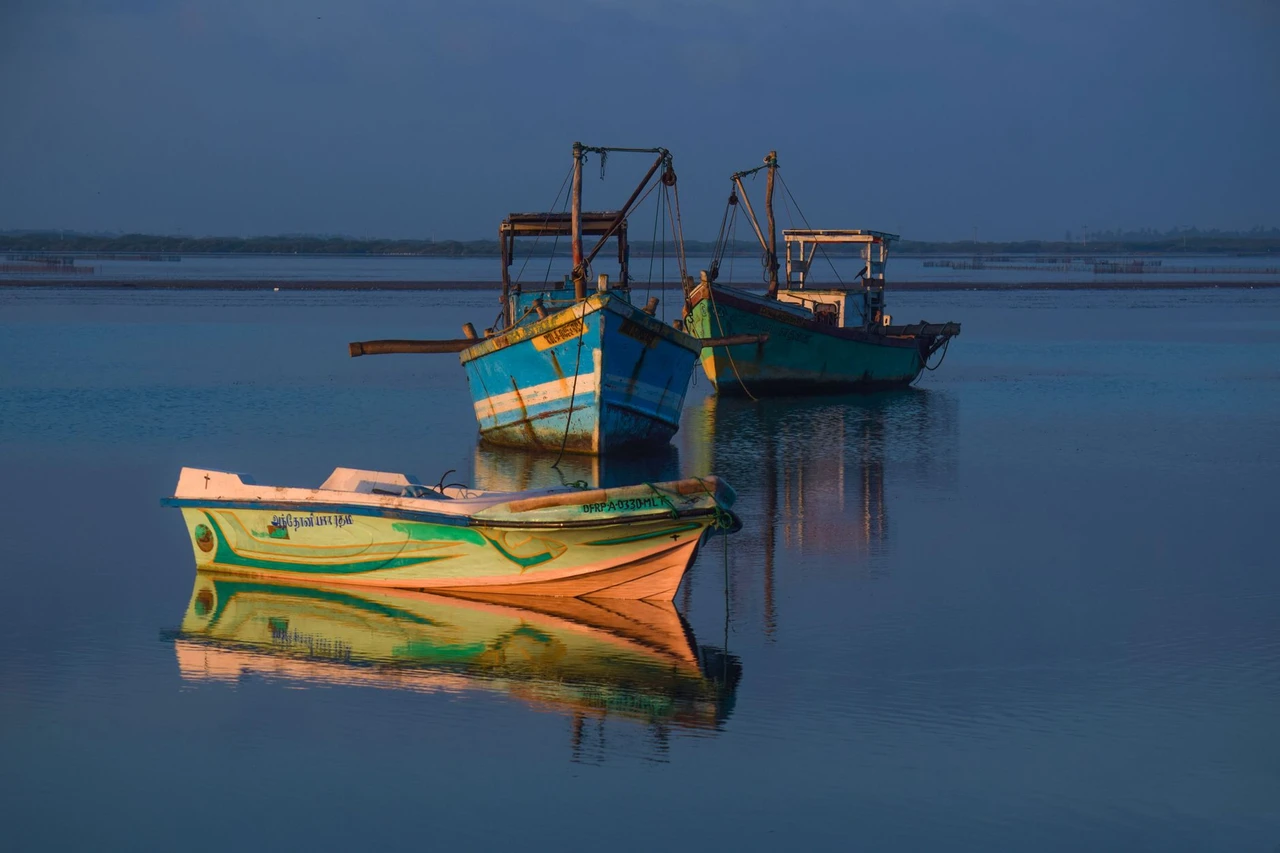
Jaffna spent nearly three decades largely cut off from the rest of Sri Lanka during the civil war, which ended in 2009. Since then, the city has rebuilt steadily but quietly, which is exactly why Lonely Planet's editors singled it out: a Tamil cultural capital with centuries-old Hindu temples, Dutch and Portuguese colonial architecture, a lagoon dotted with small islands, and a cuisine that barely resembles the coconut-and-curry-leaf cooking most visitors associate with Sri Lanka — all still relatively free of the tour-bus crowds that now overwhelm Sigiriya or Mirissa.
The ranking itself has already reshaped how the city is talked about internationally. Regional outlets from Colombo to Chennai reported on the honor within days, and Sri Lanka's government followed up in February 2026 by rolling out a digital nomad visa aimed partly at travelers who might otherwise pass through the north for a few days and leave. Jaffna is no longer a footnote in a Sri Lanka itinerary; for a growing number of 2026 travelers, it is the reason for the trip.
Top Things to Do in Jaffna
Nallur Kandaswamy Kovil
Jaffna's most important Hindu temple is dedicated to Lord Murugan and dates back centuries in its current form. Visit around 4 to 5pm to catch one of the daily poojas, when drummers and temple musicians perform inside the ornate gopuram gateway. Dress modestly: men are expected to remove their shirts before entering the inner sanctum, and women should cover their shoulders and legs.
Jaffna Fort and the Public Library
The pentagon-shaped Jaffna Fort was originally built by the Portuguese in 1619 and later expanded by the Dutch, and its ramparts make for an easy, atmospheric walk at sunset. A short distance away, the Jaffna Public Library is one of the city's most emotionally resonant sites: burned down in 1981 in an act that destroyed tens of thousands of rare Tamil manuscripts, it has since been fully restored and reopened as a working library and a quiet symbol of the city's recovery.
Nainativu and Delft Island by Ferry
From the Kurikadduwan jetty, around 30 kilometers from the city center, regular ferries make the 15 to 20 minute crossing to Nainativu, a small island holding both a Hindu temple, Nagapooshani Amman Kovil, and a Buddhist site, Nagadeepa Purana Vihara, within walking distance of each other. Further out, Delft Island is known for its coral-stone fences, a ruined Dutch fort, and small herds of wild horses descended from animals left behind by colonial cavalry units.

What to Eat in Jaffna: Tamil Flavors You Won't Find Elsewhere
Jaffna's food is distinct enough from the rest of Sri Lanka that it deserves its own guidebook chapter. The signature dish is crab curry, made with mud crabs from the Jaffna lagoon and a fiery, tamarind-sharp masala that differs noticeably from curries further south. Odiyal kool, a thick seafood and palmyrah-root porridge, is a Jaffna specialty rarely found on menus in Colombo. Palmyrah itself — the fan palm that grows across the peninsula — shows up everywhere, from its jaggery-sweetened sap to snacks made from its fruit. Look for small, family-run eateries around the city center and the market near the old Dutch fort rather than hotel restaurants for the most authentic versions, and expect meals for two to run well under what a comparable seafood dinner would cost on the south coast.

How to Get to Jaffna and Where to Stay
Domestic carriers operate short flights between Colombo and Jaffna's Palaly airport, cutting a journey that takes most of a day by road down to about an hour. International visitors flying via India can also connect directly from Chennai, a route that has made Jaffna noticeably easier to reach for the large Tamil diaspora. Overland, the intercity train from Colombo Fort along the recently upgraded northern line takes roughly six hours and is widely considered one of Sri Lanka's more scenic rail journeys; buses along the A9 highway cover the same distance in about six to nine hours depending on the service.
Accommodation has expanded well beyond the handful of guesthouses that served the city a decade ago. Options now range from simple family-run guesthouses in the old town to a small but growing number of boutique and heritage properties, including restored colonial-era buildings repurposed as small hotels. Booking ahead is still sensible during the December to March high season, but Jaffna has not yet seen the price spikes common in more established Sri Lankan tourist towns.
Best Time to Visit, Visas, and Practical Tips
The most comfortable months to visit Jaffna are December through March, when rainfall is lowest and daytime temperatures are more manageable; the northeast monsoon brings heavier rain between October and December. Most nationalities need an Electronic Travel Authorization (ETA) to enter Sri Lanka, applied for online in about ten minutes with approval typically arriving within 24 to 48 hours; since May 2026 the ETA has been offered free of charge to travelers from around 40 countries, while others pay a reduced fee, and the tourist ETA generally permits a 30-day stay that can be extended. Sri Lanka's currency, the rupee, has traded at roughly 300 to 320 per US dollar through 2026, making the country — and Jaffna in particular — an affordable base by regional standards. Travelers considering a longer stay to work remotely can also look into the digital nomad visa introduced in February 2026, which requires proof of at least USD 2,000 in monthly income and is valid for up to a year.
On safety: Jaffna is generally safe for tourists today, and the atmosphere is markedly calmer than its wartime reputation might suggest, but it is still sensible to avoid isolated areas after dark and to be mindful that some rural zones further from the city retain a heavier military presence than visitors may be used to elsewhere in Sri Lanka.
A Simple 3-Day Jaffna Itinerary
Day one: settle in, walk the ramparts of Jaffna Fort at sunset, and have crab curry at a local eatery near the old town. Day two: visit Nallur Kandaswamy Kovil in the late afternoon for the daily pooja, then spend the morning beforehand at the Jaffna Public Library and the small museums nearby. Day three: take the early ferry from Kurikadduwan to Nainativu to see both temples, then continue on to Delft Island if the connecting boat schedule allows, or head to Casuarina Beach for a quieter half-day by the water before heading back into town. Travelers with more time often extend the trip with a stop in Anuradhapura or Trincomalee on the way back to Colombo.
Frequently Asked Questions
Is Jaffna safe to visit in 2026?
Yes. Jaffna has been open to tourism for well over a decade since the civil war ended in 2009, and the city center is generally calm and welcoming to visitors. As anywhere, avoid poorly lit, isolated areas at night and follow any local guidance around military-restricted zones outside the city.
How many days do you need in Jaffna?
Two to three days covers the main sights comfortably, including a half-day trip to Nainativu by ferry. Add an extra day if you want to reach Delft Island as well, since ferry schedules there are less frequent.
How do you get from Colombo to Jaffna?
The fastest option is a domestic flight of about an hour. The intercity train from Colombo Fort takes roughly six hours and is a scenic alternative, while buses along the A9 highway take six to nine hours depending on the service.
What is Jaffna famous for?
Jaffna is known for its Tamil Hindu culture, centered on temples like Nallur Kandaswamy Kovil; its distinct cuisine built around crab curry, palmyrah products, and seafood dishes like odiyal kool; and landmarks including the restored Jaffna Fort and Jaffna Public Library.
Do I need a visa to visit Jaffna, Sri Lanka?
Jaffna doesn't require a separate visa from the rest of Sri Lanka. Most travelers need an Electronic Travel Authorization (ETA), which since May 2026 has been free for citizens of around 40 countries and low-cost for many others, generally allowing a 30-day stay.
Jaffna's moment as the world's second-best destination for 2026 won't last forever as a novelty — prices will rise and itineraries will fill in as more travelers arrive. For now, it remains one of the rare places where a major international ranking and an on-the-ground reality of light crowds and warm hospitality still line up. If your own 2026 travel plans lean toward destinations that reward curiosity over convenience, Jaffna is worth building a trip around rather than squeezing into a Sri Lanka itinerary as an afterthought. For more emerging destinations worth getting to before the crowds catch on, see our guides to Georgia and the rise of the Caucasus, Kyrgyzstan's yurts and alpine lakes, and if Jaffna's food scene has you thinking about your next culinary trip, our deep dives into Mexico's world-beating food culture and Bangkok's must-try dishes are a good place to start.