Kyrgyzstan Travel Guide 2026: Yurts, Alpine Lakes, and the World Nomad Games
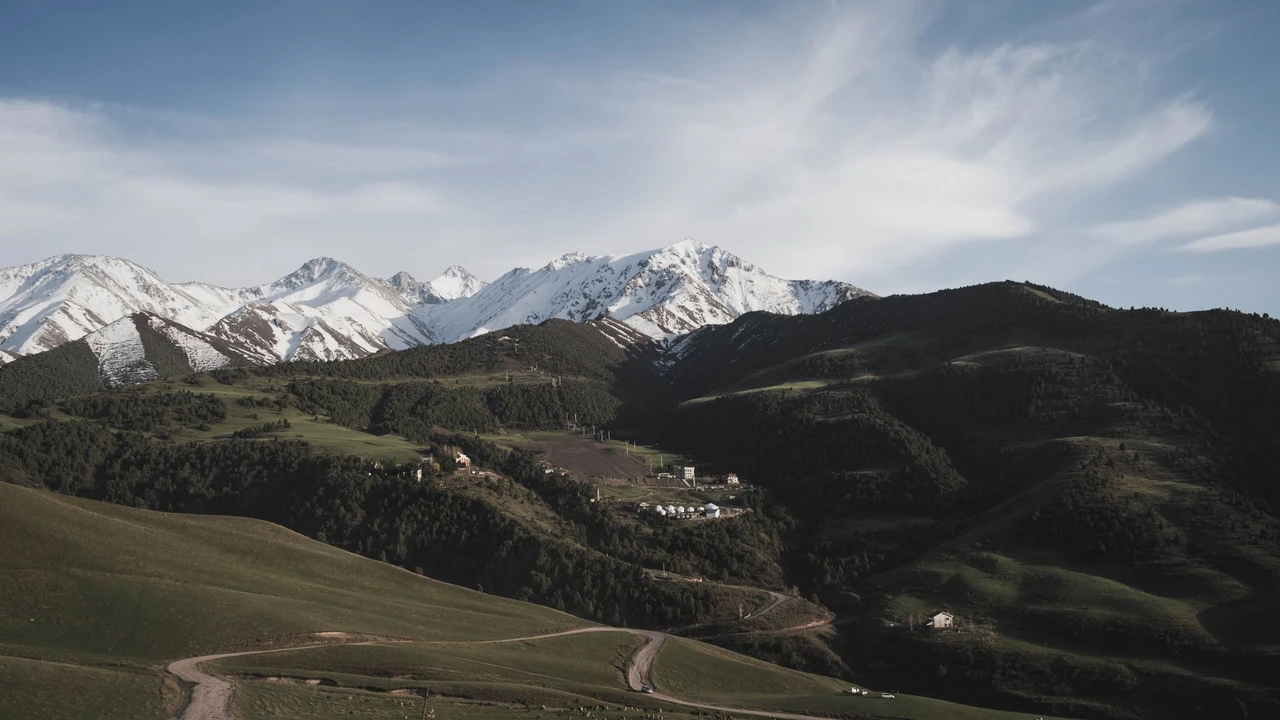
Ask most travelers to point to Kyrgyzstan on a map and you will get a shrug. Ask a seasoned Central Asia guide, and they will tell you it is one of the last places on Earth where you can still ride a horse across an empty alpine pasture, sleep in a felt yurt with a shepherd family, and wake up to a lake the color of turquoise glass with no one else in sight. That combination of accessibility and genuine remoteness is rare, and it is why booking numbers for Kyrgyzstan have surged over the past year. This guide covers everything a first-time visitor needs: when to go, how the visa-free entry works, which regions reward the effort, what a yurt stay actually involves, and how to build a realistic week-long itinerary around it. Every detail here is drawn from current, publicly verifiable travel information, not guesswork, so you can start planning with confidence rather than second-guessing the basics.
Why Kyrgyzstan Is Having a Moment in 2026
Kyrgyzstan has spent years as the quiet favorite of hardcore trekkers, but 2026 is pulling it into the mainstream. Industry booking data cited by major travel outlets this year shows Kyrgyzstan among the fastest-growing destinations worldwide, and it is easy to see why once you look past the unfamiliar name. The country packs some of the most dramatic alpine scenery in Central Asia into a footprint smaller than Nebraska, and unlike many "hidden gem" destinations, it has spent the last decade building genuinely good tourism infrastructure through community-based tourism networks that put money directly into rural households.
The bigger hook this year is timing. From August 31 to September 6, 2026, Kyrgyzstan hosts the World Nomad Games, a biennial international sporting festival celebrating nomadic culture, with the opening ceremony in Bishkek and the main competitions around Cholpon-Ata and the Kyrchyn Gorge on the shores of Issyk-Kul. It is the first time the Games have returned to Kyrgyzstan since 2018, and it gives visitors a rare chance to see traditions like horseback wrestling and eagle hunting performed at a national level, not staged for tourists.
Visa, Getting There, and When to Go
Visa-Free Entry for Most Travelers
Kyrgyzstan is one of the most open countries in Central Asia for visitors. Citizens of the United States, Canada, the United Kingdom, Australia, Japan, and most of the European Union can enter visa-free for stays ranging from 30 to 60 days depending on nationality, and some nationalities are permitted considerably longer. Travelers who do need a visa can typically apply for an e-visa online, with processing usually taking three to five working days. Always check the current requirement for your specific passport before booking, since rules can change.
Best Time to Visit
The high-mountain travel season runs from June through September, when the alpine passes are clear of snow and the summer pastures fill with grazing herds and seasonal yurt camps. July and August are the warmest and busiest months, while September brings cooler air, golden grasslands, and noticeably thinner crowds, plus it lines up with the World Nomad Games. If your priority is trekking and yurt stays rather than winter skiing, aim for the second half of August or early-to-mid September.
Bishkek: Your Gateway to the Tian Shan
Almost every trip starts in Bishkek, a wide, tree-lined capital built during the Soviet era that feels more like a relaxed regional city than a capital of nearly a million people. It is not a destination most people linger in for long, but it is worth a day: wander the Osh Bazaar for dried fruit, felt textiles, and local snacks, walk through Ala-Too Square and the adjoining museums, and use it as a base for a day trip to Ala-Archa National Park, a glacier-fed canyon barely 40 minutes from downtown with hiking trails suited to anyone from casual walkers to serious alpinists.

Bishkek is also the practical hub for arranging permits, hiring drivers, and booking community-based tourism stays further into the mountains, so budgeting a night here on arrival and departure makes the rest of the trip considerably smoother.
Issyk-Kul and the Lakes of Kyrgyzstan
East of Bishkek lies Issyk-Kul, one of the largest alpine lakes on the planet and the second-largest saline lake in the world after the Caspian Sea. Ringed by snow-capped peaks on both shores, it rarely freezes despite sitting at over 1,600 meters of altitude, which is how it got its name, meaning "warm lake" in Kyrgyz. The northern shore around Cholpon-Ata has beach resorts, Bronze Age petroglyph fields, and, this year, the main venue for the World Nomad Games. The quieter southern shore trades resorts for orchards, hot springs, and access to the Skazka ("Fairy Tale") Canyon, a compact badlands of red sandstone formations that photographs beautifully in late-afternoon light.

Even a two-night stay on Issyk-Kul is enough to swim, visit the petroglyphs, and take a half-day trip into the canyon, making it one of the easiest high-value stops to slot into any itinerary.
Song-Kul and the Art of the Yurt Stay
If Issyk-Kul is Kyrgyzstan's accessible showcase, Song-Kul is its soul. This high-altitude lake sits at just over 3,000 meters, reachable only by a rough mountain road that closes with the first heavy snow, and it has no permanent settlements at all. Instead, from June through September, dozens of shepherd families migrate up with their horses, sheep, and yaks, pitching yurt camps around the 29-kilometer shoreline. Many of these camps now welcome overnight guests through community-based tourism cooperatives, offering a felt-lined yurt, a home-cooked dinner, and often a short horse ride, all arranged well in advance through a local operator or tourism office in Bishkek or Kochkor.
A night at Song-Kul is genuinely rustic: no electricity beyond a solar lamp, a shared outdoor toilet, and temperatures that drop sharply after sunset even in July, so pack real layers. In exchange, you get total silence, a sky thick with stars, and a direct, respectful window into a nomadic way of life that has continued largely unchanged for centuries.
Don't Miss: The World Nomad Games 2026
Timed visitors this year have a bonus reason to build a trip around early September. The sixth World Nomad Games runs August 31 to September 6, 2026, with an opening ceremony in Bishkek and the bulk of competitions held around Cholpon-Ata and the Kyrchyn Gorge on Issyk-Kul's northern shore. Delegations from dozens of countries compete in traditional nomadic sports, including kok-boru (a fast, physical horseback game sometimes compared to polo), er enish (horseback wrestling), and berkutchi, the ancient art of eagle hunting. It is a genuinely rare travel-and-culture crossover: a major international sporting event held in exactly the landscape it celebrates, rather than in a stadium far from its roots.
If you plan to attend, book accommodation around Cholpon-Ata and Bishkek well ahead of time, since hotel capacity in the Issyk-Kul region is limited and this is expected to be the highest-attendance edition since the Games returned to Kyrgyzstan.
Budget, Currency, and Practical Tips
The Kyrgyz som (KGS) is the local currency, and Kyrgyzstan remains one of the most affordable countries in Central Asia. Bishkek has ATMs and card acceptance in most hotels and mid-range restaurants, but rural areas, including yurt camps, operate on cash only, so withdraw som before heading into the mountains. Community-based tourism stays, meals, and local drivers are typically priced in a way that keeps a comfortable two-week trip well below the cost of a comparable week in Western Europe.
A few practical notes worth knowing before you go: English is limited outside tourist hubs, so a translation app or a few basic Russian or Kyrgyz phrases go a long way; mobile data is cheap and easy to set up with a local SIM in Bishkek; and altitude is a real factor at Song-Kul and on Tian Shan treks, so build in a rest day if you are coming straight from sea level.
A Sample 7-Day Kyrgyzstan Itinerary
This pacing works well for a first visit without feeling rushed:
Day 1: Arrive Bishkek, settle in, evening walk around Ala-Too Square.
Day 2: Day trip to Ala-Archa National Park for hiking, return to Bishkek.
Day 3: Drive to Kochkor, arrange a Song-Kul yurt stay and transport.
Day 4: Travel up to Song-Kul, afternoon horse ride, overnight in a yurt camp.
Day 5: Morning at Song-Kul, drive to Cholpon-Ata on Issyk-Kul's north shore.
Day 6: Petroglyphs, a swim in Issyk-Kul, sunset at Skazka Canyon.
Day 7: Return to Bishkek, departure.
Travelers visiting during the World Nomad Games should add two to three extra days around Cholpon-Ata to see the competitions properly, and book lodging as early as possible.
Frequently Asked Questions
Do I need a visa to visit Kyrgyzstan?
Most visitors from the US, Canada, the UK, Australia, Japan, and the EU can enter visa-free for stays of 30 to 60 days, depending on nationality. Always confirm the current rule for your passport before booking flights.
What is the best time of year to visit Kyrgyzstan?
June through September is the main season for high-altitude travel, yurt stays, and trekking. Late August into September offers cooler weather, fewer crowds, and coincides with the World Nomad Games in 2026.
Is Kyrgyzstan safe for tourists?
Kyrgyzstan is generally considered safe for travelers who take normal precautions, and its tourism regions, including Issyk-Kul and Song-Kul, see regular visitor traffic. As with any international trip, check your government's current travel advisories before departure.
How much does a yurt stay at Song-Kul cost?
Community-based tourism yurt stays typically bundle accommodation, dinner, breakfast, and sometimes a horse ride into a single per-person rate, and are among the most affordable overnight experiences in the country. Prices are best confirmed directly with a Bishkek or Kochkor-based tourism cooperative, since they can vary by season and camp.
Do I need to speak Russian or Kyrgyz to travel there?
It helps but is not essential. English is spoken in Bishkek's tourism-focused businesses and by most guides, though it is limited in rural areas, so a translation app is a useful backup outside the capital.
Plan Your Trip Before the Word Gets Out Further
Kyrgyzstan rewards travelers willing to trade a little comfort for landscapes and cultural access that are getting harder to find anywhere else. With the World Nomad Games landing in September 2026 and booking interest already climbing, this is a genuinely good window to go before infrastructure catches up to demand and prices follow. If you are building out a bigger year of off-the-beaten-path travel, our North Macedonia travel guide covers another underrated country worth adding to the list, and our guide to the best places to see the Northern Lights pairs well if you are chasing more far-north natural phenomena. Traveling on a tighter budget? Our roundup of the cheapest European cities for a weekend getaway and our guide to the best time to visit Malta are both worth bookmarking for your next trip. Start mapping your route, book your yurt stay early, and get to Kyrgyzstan while it still feels like a secret.