Moldova Wine Country 2026: Inside the World's Largest Underground Wine Cellar
Most European wine lists still skip right past Moldova, yet this small country wedged between Romania and Ukraine has the highest vineyard density per capita in the world and a winemaking tradition that stretches back thousands of years. In 2026, Moldova wine country is finally getting the attention it deserves: inbound tourism jumped 33.8% in 2025 to roughly 90,500 organized visitors, Wizz Air just based a fifth aircraft in the capital to fly 35 routes across 16 countries, and Chisinau is preparing to host the 25th anniversary of National Wine Day on October 3-4, 2026. This guide draws on verified tourism-board, aviation-industry, and government-advisory data to help you plan a trip that goes well beyond a single tasting glass.
Why Moldova Is Quietly Becoming Europe's Most Exciting Wine Destination
Moldova's relationship with wine is not a modern marketing invention. Archaeological evidence places organized viticulture in the region as far back as several thousand years BC, making it one of the oldest wine-producing areas in Europe, and today the country still has around four hectares of vineyard for every 100 residents, a ratio unmatched anywhere else on the planet. Roughly 112,000 hectares are under vine, enough to make Moldova the sixth-largest wine producer in Europe and the world's 14th-largest wine exporter, even though most travelers couldn't place it on a map.
What is changing in 2026 is accessibility and recognition. Moldova became an official European Union candidate country in 2022, and accession talks have kept the country in international headlines ever since. On the ground, that geopolitical momentum is translating into real tourism infrastructure: new hotels in Chisinau, upgraded signage at wine estates, and a national wine industry actively courting new markets in Japan, South Korea and China through 2026 trade events. For travelers who want a genuinely uncrowded wine region before the rest of the continent catches on, this is close to a perfect window.
Getting to Chisinau Is Easier Than It's Ever Been
The single biggest practical barrier to visiting Moldova has always been getting there, and that barrier is falling fast. Wizz Air based a fifth aircraft at Chisinau International Airport (RMO) in September 2026, growing its network to 35 destinations across 16 countries and adding brand-new direct routes to Hamburg, Turin, Frankfurt Hahn, Nice, Prague and Copenhagen, on top of increased frequencies to Paris, Berlin, Brussels, Barcelona, Vienna-adjacent hubs and several Italian cities. That makes a long weekend from most major European capitals genuinely realistic for the first time.
Entry requirements are refreshingly simple. Moldova is an EU candidate country but not part of the Schengen Area, so time spent there does not count against your Schengen 90-day allowance. Holders of EU, UK, US, Canadian, Australian, Japanese and South Korean passports, among others, can enter visa-free for tourism for up to 90 days within a 180-day period, with no advance application, no fee, and just a passport valid for six months beyond your departure date. Land border crossings from Romania are also common if you want to combine a Moldova trip with a longer Eastern European itinerary.
Underground Wine Cities: Mileștii Mici and Cricova
No Moldova itinerary is complete without descending into one of the country's two legendary wine cellars, both a short drive from Chisinau. Mileștii Mici holds the Guinness World Record for the largest wine collection on Earth, with roughly 1.5 to 2 million bottles stored along more than 200 kilometers of former limestone-mining tunnels. The "streets" underground are named after grape varieties, the temperature holds a constant 12-14°C year-round, and visitors are typically driven through the maze by electric cart or car, stopping to see rows of bottles that in some cases date back decades.
Cricova, the more famous of the two internationally, runs for roughly 120 kilometers of tunnels and holds around 1.5 million bottles in its own collection, including a section dedicated to rare and historic vintages. Both estates offer guided tours that end with a seated tasting, usually paired with local snacks like brânză cheese, walnuts and plăcinte pastries. Book ahead in shoulder-season months, since these cellars are increasingly popular day trips for the growing number of visitors flying into Chisinau specifically for wine tourism.

Beyond the Cellars: Orheiul Vechi and the Streets of Chisinau
Wine is the headline, but Moldova rewards travelers who budget at least one full day outside the cellars. Orheiul Vechi, about 45-50 minutes from the capital, is an archaeological and monastic complex set into the limestone cliffs above the Răut River. Its centerpiece is a 13th-century cave monastery, dug directly into the rock by Orthodox monks and reoccupied by a small monastic community in 1996 after decades of Soviet-era closure. A short hike from the village of Butuceni leads up to the monastery, with river gorge views, marked walking trails, and the option of a horse-drawn carriage ride or a boat trip along the Răut.
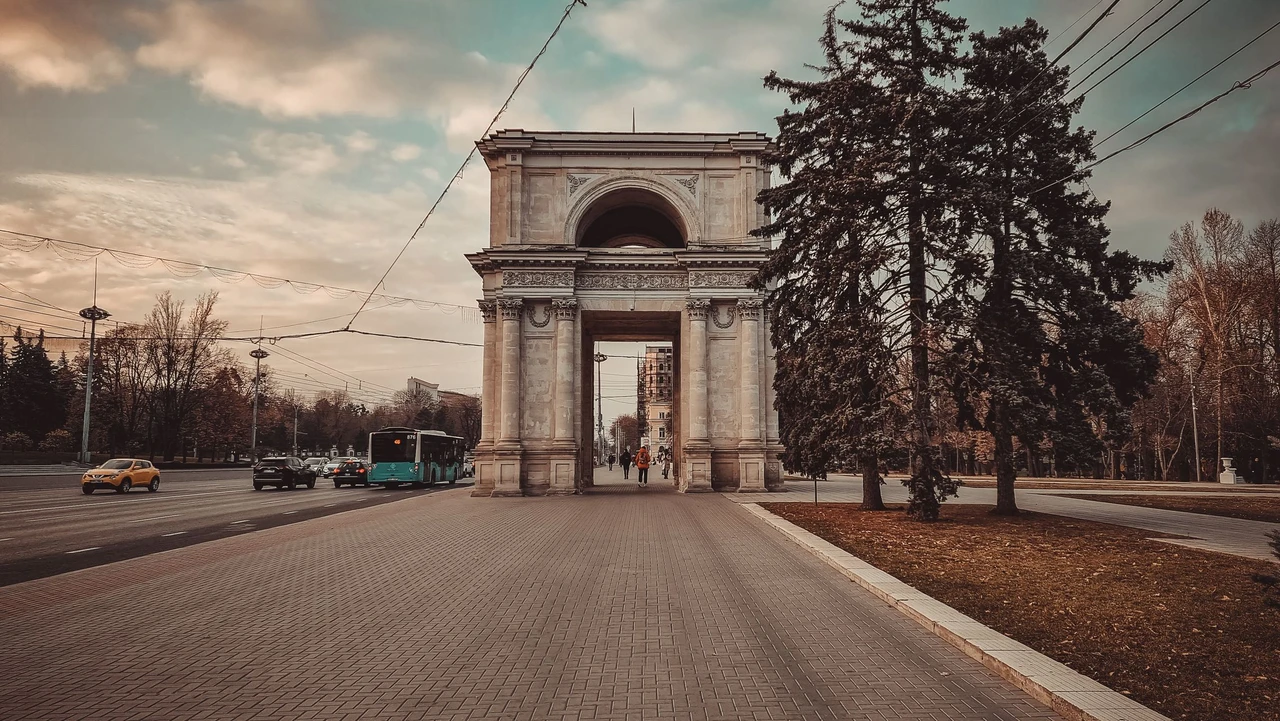
Back in Chisinau, the pace is easy and walkable: the Nativity Cathedral and its bell tower anchor Cathedral Park, the 1841 Triumphal Arch marks the city's historic center, and Ștefan cel Mare Central Park is where locals gather in the evening. The city's food scene has quietly improved alongside its wine reputation, with a growing number of restaurants pairing Moldovan staples like mămăligă (cornmeal porridge), sarmale (stuffed cabbage rolls) and plăcinte with local wines by the glass rather than just the bottle.

When to Go, What to Budget, and How Many Days You Need
Late spring (May-June) and early autumn (September-October) are the sweet spot: warm enough for vineyard visits and outdoor dining, cool enough for comfortable walking around Orheiul Vechi, and timed close to harvest season if you visit in September. If your schedule allows it, National Wine Day on October 3-4, 2026 marks the event's 25th anniversary in Chisinau, bringing more than 100 wineries together for tastings, live music and food stalls in the city center — a genuinely rare chance to sample small producers who don't otherwise export.
Budget-wise, Moldova remains one of the least expensive countries in Europe to visit. A comfortable mid-range hotel in Chisinau, a full day tour with tastings at Mileștii Mici or Cricova, and a sit-down dinner with local wine typically costs a fraction of an equivalent day in Vienna, Paris or even Bucharest. The Moldovan leu (MDL) is the local currency; cash is still preferred at smaller wineries and rural stops, though Chisinau itself is thoroughly card-friendly. Three full days is enough to cover Chisinau, one underground cellar, and Orheiul Vechi without rushing; five days lets you add a second wine estate or a slower push into the countryside.
Safety, Visa Basics, and Practical Tips
Moldova carries a Level 2 "Exercise Increased Caution" advisory from the US State Department, broadly comparable to many mainstream European destinations, with the caution tied mainly to regional instability from the nearby Russia-Ukraine war rather than any specific risk to tourists in Chisinau or the wine regions. The one area to avoid entirely is Transnistria, a breakaway strip of territory along the Ukrainian border that is not under Moldovan government control and carries a higher advisory level; the well-trodden tourist circuit of Chisinau, Cricova, Mileștii Mici and Orheiul Vechi lies well outside it and is described by regional tour operators as calm, organized and safe for independent travelers. As with any trip, check your home country's current advisory before booking and keep half an eye on the news in the weeks leading up to departure.
Practical basics: pack layers, since underground cellar temperatures sit well below the summer heat outside; bring a printed or digital copy of your travel insurance, since medical facilities are more limited outside Chisinau; and consider hiring a local guide or driver for the Mileștii Mici and Cricova tours specifically, since public transport to both estates is limited and a guide can also translate the grape-variety street signs underground.
Frequently Asked Questions
Do I need a visa to visit Moldova?
Most travelers from the EU, UK, US, Canada, Australia, Japan and South Korea can enter Moldova visa-free for up to 90 days within a 180-day period. No advance application or fee is required, just a passport valid for at least six months beyond your departure date.
Is Moldova safe to visit in 2026?
The main tourist circuit around Chisinau, Cricova, Mileștii Mici and Orheiul Vechi is generally considered safe, though several governments maintain a Level 2 "increased caution" advisory tied to regional instability from the nearby Russia-Ukraine war. The breakaway Transnistria region should be avoided.
How many days do I need for a Moldova wine trip?
Three full days comfortably covers Chisinau's historic center, one underground wine cellar (Cricova or Mileștii Mici), and a day trip to Orheiul Vechi. Five days allows time for a second wine estate or a slower pace through the countryside.
What is the best time to visit Moldova for wine tourism?
Late spring (May-June) and early autumn (September-October) offer the most comfortable weather for vineyard and cellar visits. Visiting in early October also lines up with National Wine Day, held October 3-4, 2026 in Chisinau for its 25th anniversary.
How do I get from Chisinau to Cricova and Mileștii Mici?
Both wine estates are a short drive from central Chisinau, roughly 15-20 minutes to Cricova and about 20-25 minutes to Mileștii Mici. Most visitors book a guided half-day or full-day tour that includes round-trip transport, the underground tour, and a seated tasting, since public transport options are limited.
Plan Your Moldova Wine Trip
Moldova wine country offers something increasingly rare in Europe: a destination with world-record wine cellars, a rapidly improving flight network, and almost none of the crowds you'd find in Bordeaux, Tuscany or the Douro Valley. If you're building out a wider Eastern European or Caucasus itinerary, Moldova pairs naturally with other emerging wine and heritage destinations covered on Go Away, including our Georgia travel guide for the 8,000-year qvevri wine tradition of the Caucasus, our Sarajevo city break guide for another excellent-value European capital, and our North Macedonia travel guide for a neighboring underrated Balkan country. First time traveling on your own? Our solo travel planning guide has a full framework for a first solo trip. Start pricing flights into Chisinau now, and you'll likely be tasting rare vintages 200 kilometers underground before this corner of Europe becomes the next big thing.