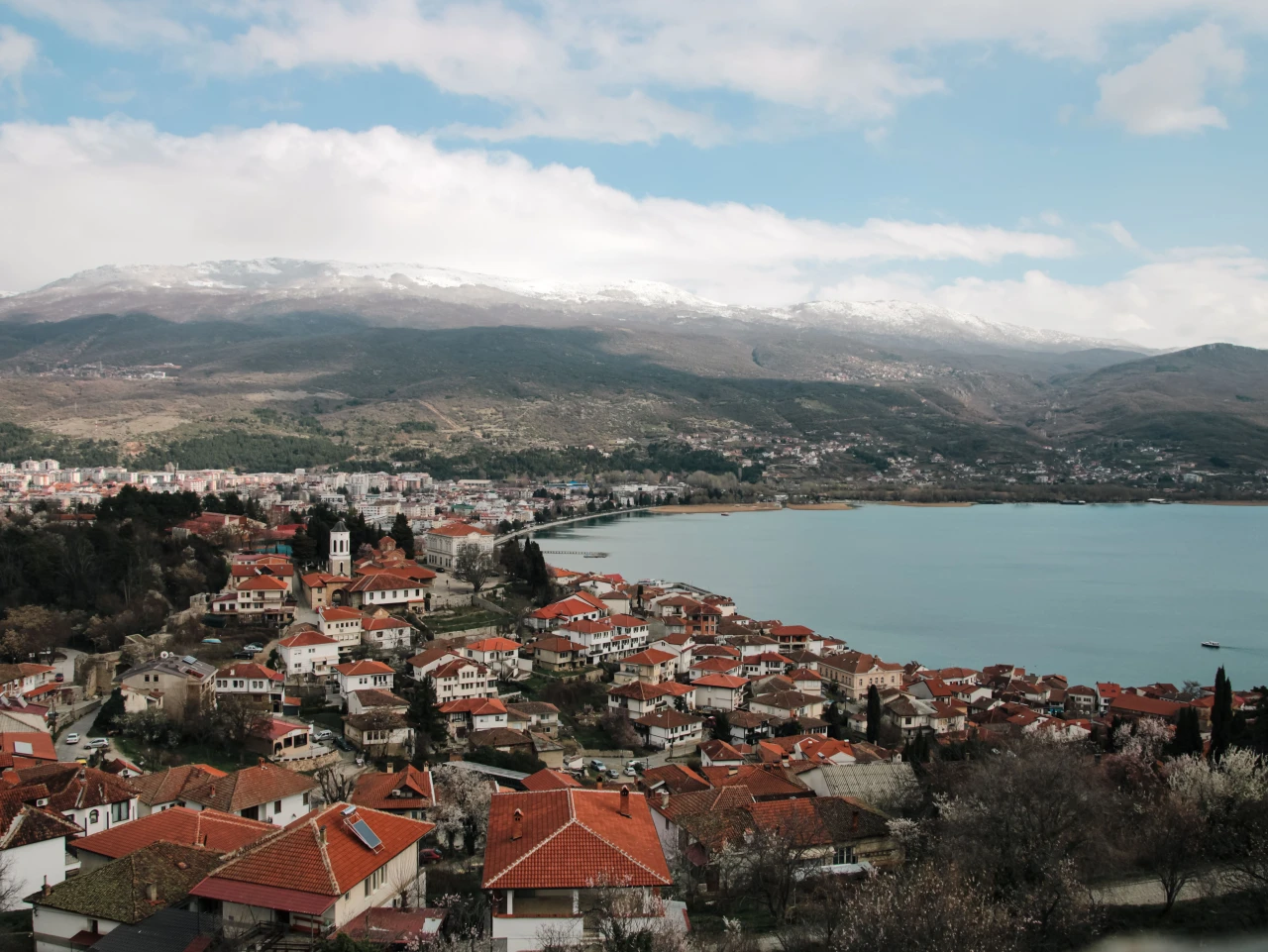
North Macedonia Travel Guide 2026: Why Lake Ohrid and Skopje Deserve Your Next Trip
Ask most travelers to point to North Macedonia on a map and you will get a shrug. That is exactly the opportunity. While neighboring Balkan countries like Croatia and Montenegro have been swallowed by overtourism, this small, landlocked country of roughly 1.8 million people has quietly kept its 10th-century fortresses, UNESCO-listed lake, and Ottoman-era bazaars almost entirely to itself. Travel journalists and destination researchers have flagged it repeatedly among the countries to watch in 2026 as travelers actively look for alternatives to Europe's overcrowded summer hotspots. This guide covers what to actually do in Skopje and around Lake Ohrid, how many days you need, what things cost, and the practical details - visas, currency, safety - you need before you book a flight to Skopje or Ohrid airport.
Why North Macedonia Is Europe's Most Underrated Destination in 2026
North Macedonia sits at a genuine crossroads of Balkan, Ottoman, and Byzantine history, which is why its capital and its lakeside towns look unlike anywhere else in Europe. It is also inexpensive relative to Western Europe, visa-free for most Western travelers, and small enough that a week covers the highlights without constant repacking. Because it has not yet been discovered at scale, popular sites like Lake Ohrid's Old Town or Skopje's Kale Fortress can still be visited without the queues that now define cities like Dubrovnik or Santorini in peak season.
The trade-off is that infrastructure for international travelers is less polished than in Western Europe - expect fewer English menus outside the main tourist areas and a slower pace generally. For travelers who want an authentic, low-cost European trip before word fully gets out, that trade-off is the entire appeal.
Skopje: Europe's Quirkiest Capital City
Skopje is a strange, fascinating place to start a trip. A controversial early-2010s urban renewal project known as "Skopje 2014" filled the city center with more than 100 statues, neoclassical facades, and museums built almost overnight, giving the riverside downtown an almost theatrical feel that surprises most first-time visitors.
What to See in Central Skopje
Start at the Old Bazaar, one of the largest and best-preserved Ottoman-era markets in the Balkans, with narrow lanes of coppersmiths, mosques, and tea houses that have operated for centuries. From there, walk up to Kale Fortress for a free panoramic view over the city and the Vardar River, then cross the Stone Bridge into the newer city center to see the statue-lined Macedonia Square. The Memorial House of Mother Teresa, built on the site of her childhood home, is a short walk away and a meaningful stop given she was born in Skopje in 1910.
Day Trip to Matka Canyon
Just a 30-minute drive or taxi ride from downtown, Matka Canyon is one of the most rewarding half-day trips in the Balkans. A short boat ride across the turquoise reservoir takes you past medieval monasteries and cave systems, including Vrelo Cave, one of the deepest underwater caves in Europe. Hiking trails along the canyon rim suit both casual walkers and more serious hikers.
Lake Ohrid: the UNESCO Jewel of the Balkans
Roughly three hours south of Skopje by car or bus, Lake Ohrid is the reason most serious travelers add North Macedonia to their itinerary. It is one of Europe's oldest and deepest lakes, and both the lake and the town of Ohrid are jointly inscribed as a UNESCO World Heritage Site for their natural and cultural significance - one of only a handful of sites in the world recognized for both.
Ohrid's Old Town
Ohrid was once said to have 365 churches, one for every day of the year, and while that figure is more legend than fact, the density of Byzantine churches packed into the hillside old town is still remarkable. The Church of St. John at Kaneo, perched on a cliff directly above the lake, is the single most photographed spot in the country for good reason. Above the old town, Samuel's Fortress, built in the 10th century, offers sweeping views over the lake toward Albania on the far shore.
On the Water
A boat trip on Lake Ohrid is worth the modest cost, whether a short sunset cruise from the town harbor or a longer trip toward the Bay of Bones, a reconstructed prehistoric pile-dwelling settlement on stilts that doubles as an open-air archaeology museum. Swimming is popular in the warmer months, with several small pebble and sand beaches around the town.
Mavrovo National Park and the Great Outdoors
For travelers who want mountains as well as lakes, Mavrovo National Park - the country's largest - is a two-hour drive from Skopje and offers alpine scenery, hiking trails, and, in winter, one of the region's most affordable ski resorts. The park is also home to traditional villages and the 14th-century Monastery of St. Jovan Bigorski, one of the most important Orthodox monasteries in the Balkans. Combined with Matka Canyon, this makes North Macedonia a legitimate option for travelers who want a mix of culture, water, and hiking in a single trip rather than choosing between them.
Practical Travel Information for North Macedonia
Getting the logistics right in advance makes the trip far easier once you land.
Visa and Entry Requirements
Citizens of the US, Canada, the UK, the EU, Australia, and New Zealand can generally enter North Macedonia visa-free for stays of up to 90 days within a 180-day period. Make sure your passport is valid for at least three months beyond your planned departure date, and check current requirements with your government's travel advisory before booking, since entry rules can change.
Currency and Costs
The local currency is the Macedonian denar (MKD), which is not widely available outside the country, so plan to withdraw cash from an ATM after arrival rather than exchanging in advance. Credit cards are accepted in hotels and most restaurants in Skopje and Ohrid, but cash is still preferred in smaller towns and markets. North Macedonia remains one of the more affordable countries in Europe to visit, with meals, transport, and accommodation generally costing noticeably less than in Western Europe or coastal Croatia.
Safety
North Macedonia is generally considered safe for travelers, with low rates of violent crime and tourist areas in Skopje and Ohrid that stay busy well into the evening. As with any destination, keep an eye on standard travel advisories before you go and avoid any organized street protests, which can occasionally occur in Skopje.
Best Time to Visit
Late spring (May-June) and early autumn (September) offer the best balance of warm weather and thinner crowds around Lake Ohrid, while July and August are hottest and busiest with regional tourists. Winter suits travelers heading to Mavrovo for skiing rather than the lake towns, most of which quiet down significantly outside summer.
How to Plan Your North Macedonia Itinerary
Five to seven days is enough to cover the highlights without rushing. A workable structure is two to three days in Skopje, including the Matka Canyon day trip, followed by three to four days based in Ohrid with a detour into Mavrovo National Park if time allows. Buses connect Skopje and Ohrid in roughly three hours, and renting a car gives more flexibility for the national parks and smaller villages along the way.
If North Macedonia has you thinking about other under-the-radar European trips, our guide to the best time to visit Malta covers another small, historic Mediterranean destination that rewards travelers who avoid peak summer. Budget-focused travelers planning a wider European trip should also look at our roundup of the cheapest European cities for a weekend getaway, and if island destinations are more your pace, our feature on Réunion Island's hidden paradise follows the same "before everyone else finds out" logic. For travelers building a longer multi-country itinerary, our 7-day Zanzibar guide is a useful model for structuring a similarly compact week abroad.
Frequently Asked Questions About North Macedonia
Is North Macedonia worth visiting?
Yes. Between Skopje's unusual architecture and museums, the UNESCO-listed Lake Ohrid, and low costs compared to Western Europe, it offers a genuinely different experience from the more crowded Balkan coastline, with far fewer tourists to compete with.
How many days do you need in North Macedonia?
Five to seven days lets you comfortably cover Skopje, Matka Canyon, and Lake Ohrid without rushing. Three days is enough for a quicker Skopje-and-Ohrid trip if time is limited.
Do I need a visa to visit North Macedonia?
Most travelers from the US, Canada, the UK, the EU, Australia, and New Zealand can enter visa-free for up to 90 days within a 180-day period, though it is worth confirming current rules before you travel.
What is the best time of year to visit Lake Ohrid?
May, June, and September offer the best mix of warm weather, swimmable lake temperatures, and smaller crowds. July and August are hottest and busiest with regional visitors.
Is North Macedonia expensive to visit?
No. It remains one of the more budget-friendly countries in Europe, with accommodation, food, and local transport generally cheaper than in Western Europe or along the Croatian coast.
Final Thoughts
North Macedonia will not stay this quiet forever. As more travelers look for European alternatives to overcrowded summer destinations, Lake Ohrid and Skopje are increasingly showing up on "underrated" and "hidden gem" lists - which is usually the first sign a place is about to get busier. For now, it remains one of the few places in Europe where you can stand alone at a 10th-century fortress overlooking a UNESCO lake without another tourist in sight. Start with a five-to-seven-day loop between Skopje and Ohrid, book accommodation in the old towns rather than the outskirts, and go before the secret is fully out.