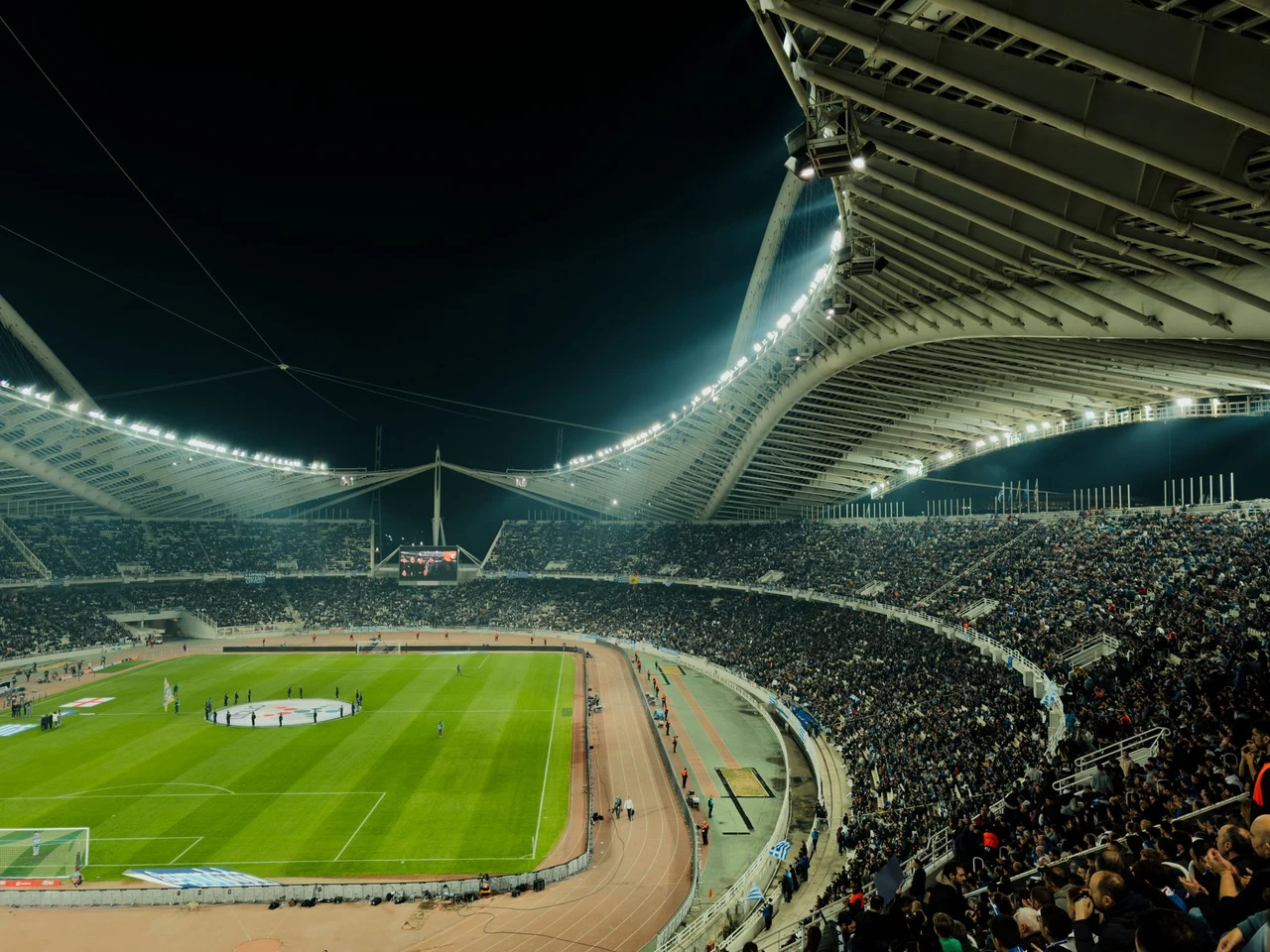
World Cup 2026 Host Cities: Where to Travel Now That the Tournament Is Over
The FIFA World Cup 2026 wrapped up its 104th and final match on July 19, and the confetti has barely settled. For the first time in history, one World Cup stretched across three countries — the United States, Mexico, and Canada — and 16 host cities spent five weeks hosting the biggest single-sport event on the planet. Now that the stadiums have emptied and the fan zones have been packed away, a quieter, cheaper, and arguably more interesting travel window has opened up. Hotel rates in several host cities are already correcting downward, direct flight capacity that was added for the tournament is often still running, and the new visitor infrastructure — expanded transit, renovated stadium districts, multilingual signage — isn't going anywhere. This guide, built on tournament data from FIFA, Tourism Economics, and multiple destination-marketing organizations across North America, breaks down which World Cup 2026 host cities are worth visiting now, which ones over- or under-performed expectations, and how to plan a realistic multi-country trip around what's left behind.
A Tournament Like No Other: The Numbers Behind World Cup 2026
World Cup 2026 was the first edition to feature 48 teams, up from 32, and the first ever hosted jointly by three nations. Matches were split across 16 stadiums: 11 in the United States (Atlanta, Boston, Dallas, Houston, Kansas City, Los Angeles, Miami, New York/New Jersey, Philadelphia, the San Francisco Bay Area, and Seattle), three in Mexico (Guadalajara, Mexico City, and Monterrey), and two in Canada (Toronto and Vancouver). Mexico City's Estadio Azteca opened the tournament on June 11 with Mexico's own group-stage match, making it the only stadium in World Cup history to have hosted matches across three different tournaments — 1970, 1986, and now 2026.
Tourism Economics projected roughly $30 billion in economic impact for the United States alone, on top of separate estimates putting the combined North American impact closer to $20 billion once matchday spending, hotel nights, and airfare are counted across all three countries. An estimated 1.2 million international visitors — ticket-holders, travel companions, team delegations, and media — moved between host cities over the five-week run, and consumer spending across the 16 U.S. host cities rose 5.4% year-over-year during the group stage alone, with spending from non-local visitors up 17.4%.
Why Right Now Is the Smart Time to Visit a Host City
Large events create a predictable travel pattern: prices spike hard in the weeks around the event, then overcorrect downward once it ends, because host cities are left holding hotel inventory and flight capacity built for tournament-level demand that's no longer there. Airlines that added seasonal capacity into cities like Kansas City, Toronto, and Vancouver for the World Cup have, in several cases, kept those routes running into autumn 2026 rather than pulling them immediately — which means more competitive fares than these cities have seen in years. Destination-marketing organizations in multiple host cities have also reported an unusual bump in enquiries for autumn and winter 2026 travel, driven largely by fans who visited for a match, liked what they saw, and are now planning a proper return trip without the crowds, surge pricing, or 6 a.m. security lines.
The other advantage: the infrastructure built for the tournament is a permanent upgrade, not a pop-up. Renovated transit links, expanded convention and hospitality capacity, and refreshed public spaces around several stadiums remain in place long after the last match, so visitors arriving months later still benefit from the investment without paying the tournament-week premium.
Canada's Big Win: Toronto and Vancouver
Of the three host nations, Canada is projected to see the largest relative tourism benefit — its overall tourism GDP is forecast to grow around 6.4% off the back of the tournament, the highest growth rate of the three co-hosts. Toronto and Vancouver, Canada's two host cities, saw a genuine surge in visitor traffic from ticket-holders and corporate travelers who used both cities as a base to hop across the border into U.S. host cities as well.
Toronto's waterfront, the CN Tower, and the revitalized Rogers Centre district are worth a stop on their own even without a match to watch, and the city's usual late-summer and autumn calendar (harbourfront festivals, the Toronto International Film Festival in September) gives visitors a reason to extend a World Cup-adjacent trip into something longer. Vancouver pairs a compact, walkable downtown with quick access to the North Shore mountains, making it one of the easiest cities on this list to fill three or four days without a car. Read more in our Halifax & Nova Scotia travel guide if you're building a longer eastern-Canada itinerary around a Toronto stop.

The Cinderella City: Kansas City's Unexpected Tourism Boom
Of all 16 host cities, Kansas City, Missouri has generated the most surprised headlines. It's a smaller media market than New York, Los Angeles, or Miami, and wasn't an obvious pick for international visitors before the draw — yet matchday demand for short-term rentals in Kansas City spiked well above the same period a year earlier, and the city's hospitality sector posted some of the strongest year-over-year gains of any U.S. host market. Analysts covering the tournament's aftermath have pointed to Kansas City as a clear example of a "breakout" host city: one that used the World Cup to introduce itself to an international visitor market it had never really reached before.

What's worth seeing in Kansas City now
Beyond the stadium itself, Kansas City's appeal for a post-tournament visit rests on things that have nothing to do with soccer: a genuinely excellent, distinct barbecue scene, the free National World War I Museum and Memorial, the Nelson-Atkins Museum of Art, and the historic 18th and Vine jazz district. Fall is an especially good time to go — the tournament-driven flight capacity is often still in place, temperatures are mild, and hotel rates have come down from their June/July peak.
Beyond the Headlines: Mexico's Three Cities and the Uneven Recovery
Not every host city matched Kansas City's story. Reporting on the tournament's economic aftermath has been explicit that the benefits were not shared evenly: Seattle underperformed relative to pre-tournament forecasts, and some markets in Mexico saw softer-than-expected visitor spending compared with projections, even as the country's overall hosting role — its third World Cup after 1970 and 1986 — kept global attention on Guadalajara, Mexico City, and Monterrey throughout the group stage.
That doesn't make Mexico's host cities any less worth visiting. Guadalajara remains one of the best-value culinary and mariachi-culture cities in the country, Monterrey pairs a modern business-hub energy with dramatic mountain scenery via the Parque Fundidora and nearby Huasteca Canyon, and Mexico City's Estadio Azteca neighborhood, Coyoacán, is worth a visit for its cobblestone plazas and Frida Kahlo Museum whether or not a match is playing. If Mexican food is more your focus than football history, our dedicated Mexico food guide covers Mexico City and Oaxaca's culinary scene in depth. Seattle, for its part, remains a strong Pacific Northwest base even without tournament crowds — it's simply competing for attention against louder World Cup storylines elsewhere on this list.
Planning a Multi-Country Trip: Visas, Currency, and Timing
One of the more interesting side effects of a tri-national World Cup is that it normalized the idea of a single trip touching all three host countries — plenty of ticket-holders did exactly that over the five-week tournament, hopping between U.S., Mexican, and Canadian host cities on the same itinerary. That's still a very doable trip for a leisure traveler:
- Visas: US citizens can enter Canada and Mexico visa-free for short tourist stays; UK, EU, and most other visa-exempt nationalities can typically do the same, though Canada requires an Electronic Travel Authorization (eTA) for visa-exempt air arrivals and Mexico requires a tourist card (FMM) that's usually issued on arrival or with your flight. Always confirm current requirements for your specific passport before booking.
- Currency: you'll be juggling US dollars, Canadian dollars, and Mexican pesos on a three-country trip — a no-foreign-transaction-fee card is worth setting up in advance.
- Timing: late September through November offers the best combination of lower prices, thinner crowds, and (in most of these cities) comfortable weather, before winter changes the calculus in Toronto and Vancouver.
- Distance reality check: these cities are spread across a continent — Vancouver to Miami is a cross-country flight, not a day trip — so pick two or three cities in the same region rather than trying to replicate a fan's five-week, 16-city itinerary.
Frequently Asked Questions
Which World Cup 2026 host city benefited the most from the tournament?
Canada saw the largest relative tourism gain of the three host nations, with tourism GDP growth projected around 6.4%. Among individual cities, Kansas City stands out as the clearest "breakout" story in the United States, posting unusually strong short-term rental and hospitality demand for a city that isn't typically a top-tier international tourist draw.
Are World Cup host cities cheaper to visit now that the tournament is over?
In most cases, yes. Hotel rates that spiked during the tournament window have come back down, and airline capacity added for the World Cup is, in several markets, still operating into autumn 2026, which tends to keep fares more competitive than usual for these routes.
Can I visit World Cup host cities in the US, Mexico, and Canada on one trip?
Yes, and plenty of fans did exactly that during the tournament. Just check visa/entry requirements for each country in advance (an eTA for Canada, a tourist card for Mexico), budget for currency conversion across three currencies, and keep your itinerary regionally realistic rather than trying to cover all three countries in a single short trip.
What's left to see from the World Cup once the tournament has ended?
The permanent upgrades: renovated stadium districts, expanded transit connections, and added hospitality capacity remain in most host cities long after the last match. The temporary fan zones and tournament branding are gone, but the underlying infrastructure investment is not.
Which host city underperformed expectations?
Seattle and some markets in Mexico saw softer tourism results than initial forecasts suggested, according to post-tournament reporting, even though both remain worthwhile destinations in their own right outside the World Cup spotlight.
Final Thoughts: Book the Trip Once the Crowds Go Home
World Cup 2026 was a five-week sprint across a continent, and most of the 1.2 million visitors who came for it left before the confetti was even swept up. That's exactly what makes the next few months the smartest window to see these 16 cities for yourself — lower prices, thinner crowds, and stadium neighborhoods that are still buzzing from the investment, without the ticket lines. Whether you're chasing Kansas City's surprise breakout story, Canada's tourism-GDP win in Toronto and Vancouver, or Mexico's culinary scene beyond Estadio Azteca, there's a genuine argument for going now rather than waiting. Pair a host-city stop with our Big Sky, Montana guide for a US mountain-town add-on, or check our roundup of new flight routes worth booking in 2026 before you lock in your itinerary. Start planning your own post-World Cup trip today — the fans have gone home, but the party isn't over.