Zanzibar in 7 Days: The Complete 2026 Travel Guide
Why Seven Days?
Zanzibar is one of those destinations that rewards the traveller who stays long enough to find its rhythm. Three days is enough to see the principal sights and leave with a sunburn and a good memory. Seven days is enough to understand the place — its pace, its food, its complexity, its extraordinary mixture of African, Arab, Indian, and colonial European histories layered into 1,000 square kilometres of coral island.
This is a practical day-by-day guide built around the island's two non-negotiable experiences (Stone Town and Nungwi) and the quieter pleasures that distinguish a great trip from a good one.
Days 1–2: Stone Town — Get Lost Deliberately
Stone Town is the old quarter of Zanzibar City, and it is a UNESCO World Heritage Site that earns the designation. The narrow streets — many too tight for a car — were laid by Omani Arab traders in the 19th century, and walking them without a map or agenda is the correct approach. What emerges from the apparent chaos: carved wooden doors (each a feat of craft, many over 150 years old), the smell of cardamom and cloves, the sound of the azan from a dozen mosques, Indian merchant houses with intricate balconies, and, underneath it all, the history of the East African slave trade.
The House of Wonders (Beit el-Ajaib), once the largest building in sub-Saharan Africa, is being restored and partially open. The Palace Museum covers Zanzibar's sultanate period. The Anglican Cathedral, built on the site of the former slave market, contains what may be the most sobering altar in the world — constructed, it is said, from the tree under which Livingstone's heart was buried.
Eat dinner at the Forodhani Night Market, an open-air seafood market on the seafront. Vendors grill lobster, kingfish, octopus, and Zanzibar pizza (a street-food creation involving egg, minced meat, and vegetables in a thin dough) on charcoal stoves. The price is negotiable; the quality is consistently excellent.
Days 3–4: Nungwi and Kendwa — The North Coast
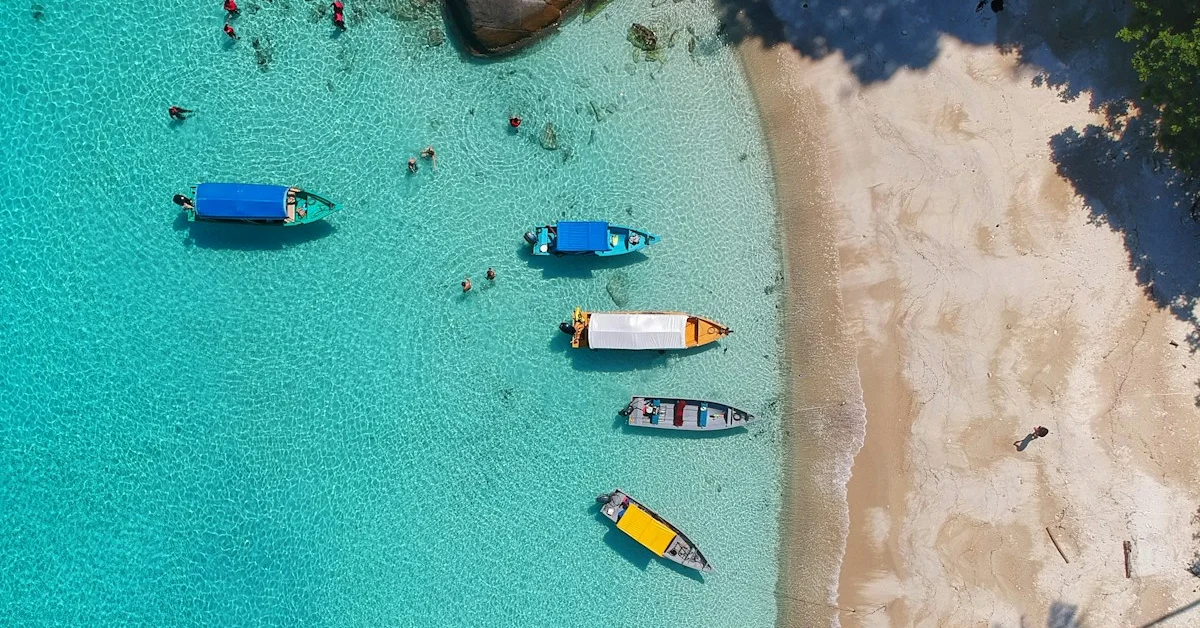
Most of Zanzibar's beaches expose their sandbars at low tide, making swimming impossible for several hours each day. Nungwi and Kendwa, on the northwestern tip of the island, are exceptions — their position relative to the reef means the water remains swimmable at all times. This is not a trivial consideration if you have two days to spend on the beach.
Nungwi has more infrastructure: guesthouses, restaurants, dive operators, and a fishing village that coexists (sometimes uneasily) with the tourism economy. Kendwa, 3km south, is smaller and quieter. The sunset from either beach — the sun dropping into the Indian Ocean over a silhouette of fishing dhows — is genuinely one of the finest views in East Africa.
Use one afternoon for snorkelling at Mnemba Atoll, a protected marine reserve 3km offshore from the northeast coast. The coral is largely intact, the fish abundant, and the water visibility on a calm day can exceed 30 metres.
Day 5: Spice Tour and Prison Island
Zanzibar was once the world's leading producer of cloves, and the spice farms in the island's interior remain a significant part of its agricultural economy. A morning spice tour — typically 3–4 hours, guided — takes you through farms growing cloves, vanilla, cinnamon, black pepper, nutmeg, and lemongrass. The guide will find every spice by smell alone and hand you leaves, bark, and roots to crush and identify. It is more engaging than it sounds.
In the afternoon, take a dhow from Stone Town harbour to Prison Island (Changuu Island), a former quarantine station whose original residents — giant Aldabra tortoises, introduced in 1919 — have multiplied to over a hundred and now wander freely around the island. You can feed and interact with them at close range; the older individuals are over 100 years old.
Days 6–7: Paje and the Southeast
The southeast coast is a different island from the north. Flatter, drier, windier, with shallow turquoise water extending for hundreds of metres at low tide and a surf break at Paje that draws kite-surfers from around the world. The beach at Paje is long, relatively uncrowded, and backed by the kind of seafood restaurants that justify planning a return trip before you have left.
From Paje, it is possible to arrange a boat to the Jozani Forest (alternatively accessible by road from the centre of the island) — the only natural forest remaining in Zanzibar, home to the endemic Red Colobus monkey found nowhere else on Earth.
Practical Information
- Getting there: Direct flights to Zanzibar (ZNZ) from select European cities via Kenya Airways, Qatar, Ethiopian, and others; or fly to Dar es Salaam (DAR) and take a 2-hour high-speed ferry (Flying Horse or Azam Marine).
- Visa: Visa on arrival for most European passport holders at Zanzibar airport (approximately $50). Check current requirements before travelling.
- Budget: €80–130/day covers a comfortable guesthouse, three meals, and most activities. Stone Town is cheapest; Nungwi and Kendwa run higher.
- Best time to go: June to October (dry season, calmer seas) and January to February (short dry season). Avoid the long rains of April–May.
- Getting around: Dala-dala (shared minibuses) are the cheapest option; taxis and rental scooters are available everywhere. Stone Town is walkable.