Bangkok for Foodies: 15 Dishes You Must Try in 2026
02 Apr 2026
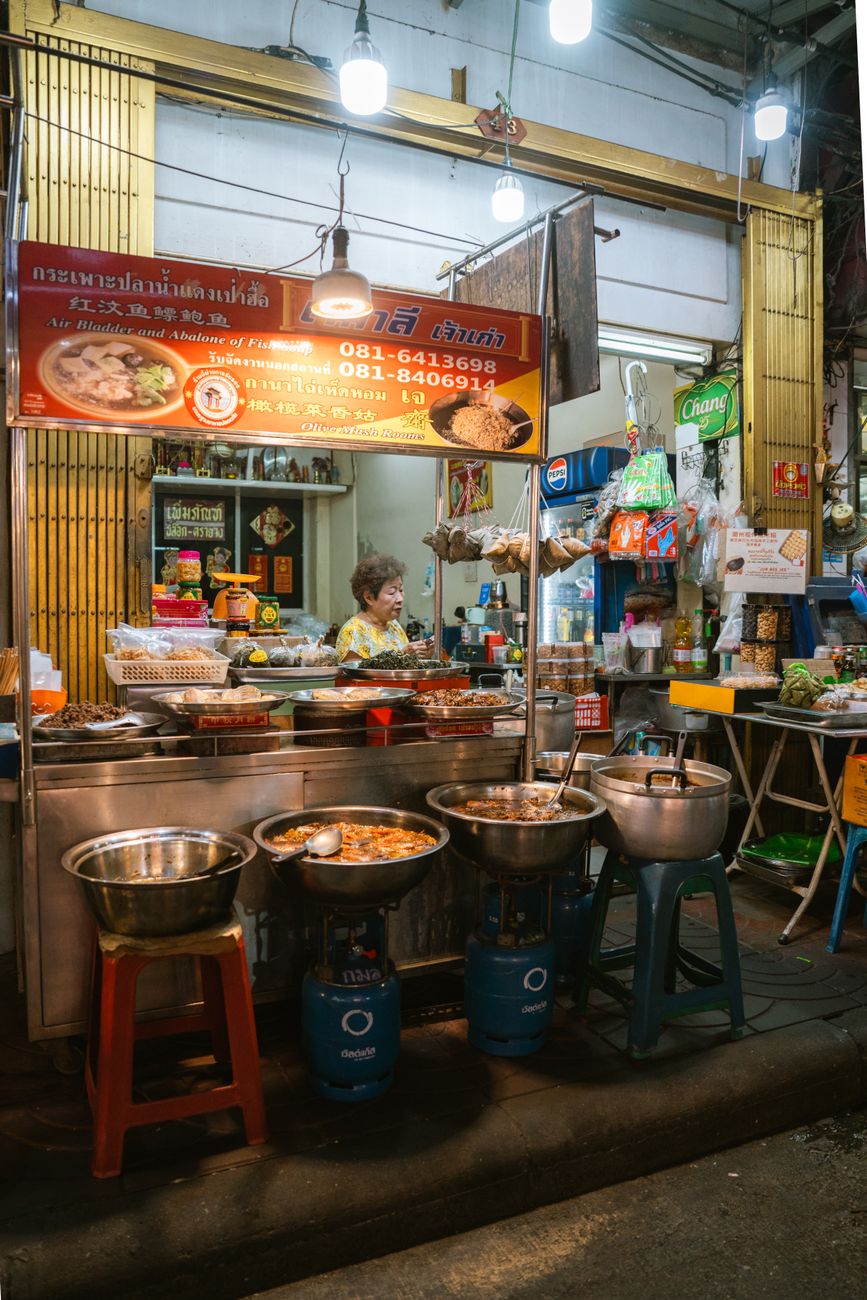
The City That Feeds Everyone
Bangkok feeds people better than almost anywhere on Earth, across every price point and register. A meal that would cost €35 at a good restaurant in Lisbon or Madrid costs €3 at a Bangkok street stall — and is frequently the more memorable experience. The city's food culture is competitive, obsessive, and entirely without pretension: Michelin-starred chefs eat lunch at noodle stalls; street vendors have been perfecting single dishes for thirty years; night markets operate as informal culinary universities.
The 15 dishes below are not a comprehensive survey of Thai cuisine — that would require a book. They are the dishes that define Bangkok's specific culinary identity, the things you should eat before anything else, and in some cases the things you may find yourself dreaming about long after you have returned home.
Rice and Noodle Foundations
1. Pad Thai
The national dish is also the most frequently disappointing — bad pad thai is everywhere, made with too much sugar, insufficient heat, and noodles that have lost their texture. The real thing is different: wok-fried rice noodles with egg, dried shrimp, bean sprouts, and your choice of protein (usually chicken, prawn, or tofu), finished with lime, ground peanuts, and chilli flakes at the table. The texture matters — the noodles should have slight resistance, the egg should be visible and set, the whole dish should carry the flavour of the wok (what Thai cooks call wok hei, the smoky breath of the flame).
Find the real thing at Thip Samai on Mahachai Road, open since 1966 and consistently ranked the finest in the city. They serve it wrapped in a thin omelette; the queue forms before 5pm. Worth every minute of the wait.
2. Khao Man Gai
Poached chicken, sliced cold, over rice cooked in the chicken poaching stock, served with a bowl of clear broth and a sauce of fermented soy, ginger, and chilli. This is Bangkok's great comfort food — simple, precise, deeply satisfying. Available at any hour; excellent at breakfast.
3. Boat Noodles (Guay Tiew Rua)
Small bowls of rich, dark pork or beef broth — intensely flavoured with cinnamon, star anise, and dried spices — served over thin rice noodles with sliced meat, pig's blood, and morning glory. Originally served from boats on Bangkok's canals. Now concentrated at the Victory Monument area, where vendors line the road and the correct approach is to order bowl after bowl until you have had enough. The bowls are small deliberately.
The Curries
4. Massaman Curry
The most un-Thai of the Thai curries, and one of the finest. Persian-influenced — it arrived in Thailand via Muslim traders in the 17th century — Massaman is mild and deeply aromatic: cardamom, cinnamon, nutmeg, and bay leaf in a coconut milk base, with potato, peanuts, and usually beef or chicken. Long-cooked, unchallenging to foreign palates, and extraordinary at its best.
5. Green Curry (Gaeng Keow Wan)
The hottest of the major Thai curries, and in its proper form, significantly more challenging than most Western restaurants prepare it. The paste — made from fresh green chillies, galangal, lemongrass, and kaffir lime — should be pounded fresh; the coconut milk added in stages to create a sauce that is simultaneously rich and bright. Eat it with jasmine rice. Do not ask for it mild.
Street Food Essentials
6. Grilled Pork Skewers (Moo Ping)
Bangkok's greatest breakfast food, and also its most accessible. Pork shoulder is marinated overnight in fish sauce, coconut milk, and palm sugar, threaded onto bamboo skewers, and grilled over charcoal until caramelised at the edges and still juicy at the centre. Served with sticky rice in a small bag. Available from 7am at every market and many street corners. Cost: approximately €0.30 per skewer.
7. Som Tum (Green Papaya Salad)
Shredded unripe papaya, pounded in a large mortar with dried shrimp, palm sugar, fish sauce, lime juice, tomatoes, and fresh chillies — always to order, always adjustable. The Isaan (northeastern Thai) version adds fermented crab and fermented fish sauce (pla ra), creating a funky, deeply complex flavour that is not for everyone but is the version Thais themselves prefer. The central Thai version is cleaner and more accessible. Ask for both; decide for yourself.
8. Tod Man Pla (Fish Cakes)
Ground fish — usually white fish or mackerel — mixed with red curry paste, kaffir lime leaves, and long beans, formed into flat cakes and deep-fried until crisp on the outside and springy within. Served with cucumber relish and ground peanuts. One of the finest things to eat with a cold Singha in the late afternoon.
Desserts and Drinks
9. Mango Sticky Rice (Khao Niao Mamuang)
Glutinous rice cooked in coconut milk and sugar, served warm alongside sliced fresh mango (in season: April to June), with a thin coconut cream sauce poured over, toasted sesame seeds, and sometimes dried mung beans. The combination of warm, slightly saline rice and cold, sweet mango is one of the great dessert experiences in Asia.
10. Roti with Condensed Milk and Banana
A legacy of the Muslim community in Bangkok, roti here is a thin, flaky flatbread cooked on a flat iron griddle with butter, served with banana and condensed milk poured over, then folded and cut into pieces. Simple, indulgent, and exactly right at 11pm after a long night at the night market.
Where to Eat: Five Essential Markets and Streets
- Or Tor Kor Market (near Chatuchak) — The finest fresh produce market in Bangkok, with food stalls producing some of the best cooking in the city. Not cheap by Bangkok standards; exceptional by any other.
- Yaowarat (Chinatown) — Bangkok's Chinatown comes alive after 8pm, when the street vendors set up along the main road and the lanes behind it. Seafood, roast duck, dim sum, and the full chaos of a great Asian night market.
- Chatuchak Weekend Market — Saturday and Sunday only. Arrive hungry. The food section, in the northwestern corner, has vendors specialising in dishes from every region of Thailand.
- Sukhumvit Sois 38 and 55 — The expatriate and backpacker corridor has better street food than its reputation suggests. Soi 38 in particular has a concentration of excellent grilled meat and noodle vendors operating from early evening.
- Victory Monument — The roundabout and surrounding streets host the best concentration of boat noodle shops in Bangkok, and excellent boat-shaped bowls of Isaan food in the market to the north.
Practical Notes
Budget: A street food meal of 2–3 dishes costs €2–4. A sit-down restaurant meal with drinks runs €8–15. High-end Thai restaurants (Nahm, Bo.Lan, Saawaan) cost €40–80 per person and are among the finest restaurants in Asia.
Dietary requirements: Vegetarian and vegan eating is possible but requires careful navigation — many dishes contain fish sauce or dried shrimp. The phrase kin jay (vegan) is widely understood and will get you a version of most dishes without animal products.
Spice level: Always specify your tolerance. Pet nit noi (a little spicy) is a reasonable starting point for those not accustomed to Thai heat.