Bilbao City-Break Guide for 2027: Guggenheim, Pintxos and the Basque Coast
25 Oct 2026
Bilbao has quietly become one of the most rewarding city breaks in northern Spain, and it keeps turning up on lists of trending European destinations for 2027, including Skyscanner's Travel Trends. We cannot promise what any fare will cost, but the appeal is easy to understand: a compact city, a world-famous museum, a food culture built around small bites and a green, hilly setting a short distance from the Bay of Biscay. This guide covers what to see, how to eat, how to get around, one memorable coastal day trip and when to go.
Why Bilbao, and why now
Bilbao is the largest city in the province of Biscay and in the Basque Country. It sits about 16 km south of the Bay of Biscay, where the Nervión estuary forms, and it is surrounded by two small mountain ranges, so the city feels tucked into its valley with green hills on every side. Its modern story is tied to the Guggenheim: the museum's opening is widely credited with starting the city's revitalisation, often called the "Guggenheim effect".
The result is a city that mixes riverside architecture, an atmospheric old town and neighbourhood bars that fill up every evening. It is also a city you can enjoy without a car, which makes it ideal for a three or four night stay.
The Guggenheim and the riverside
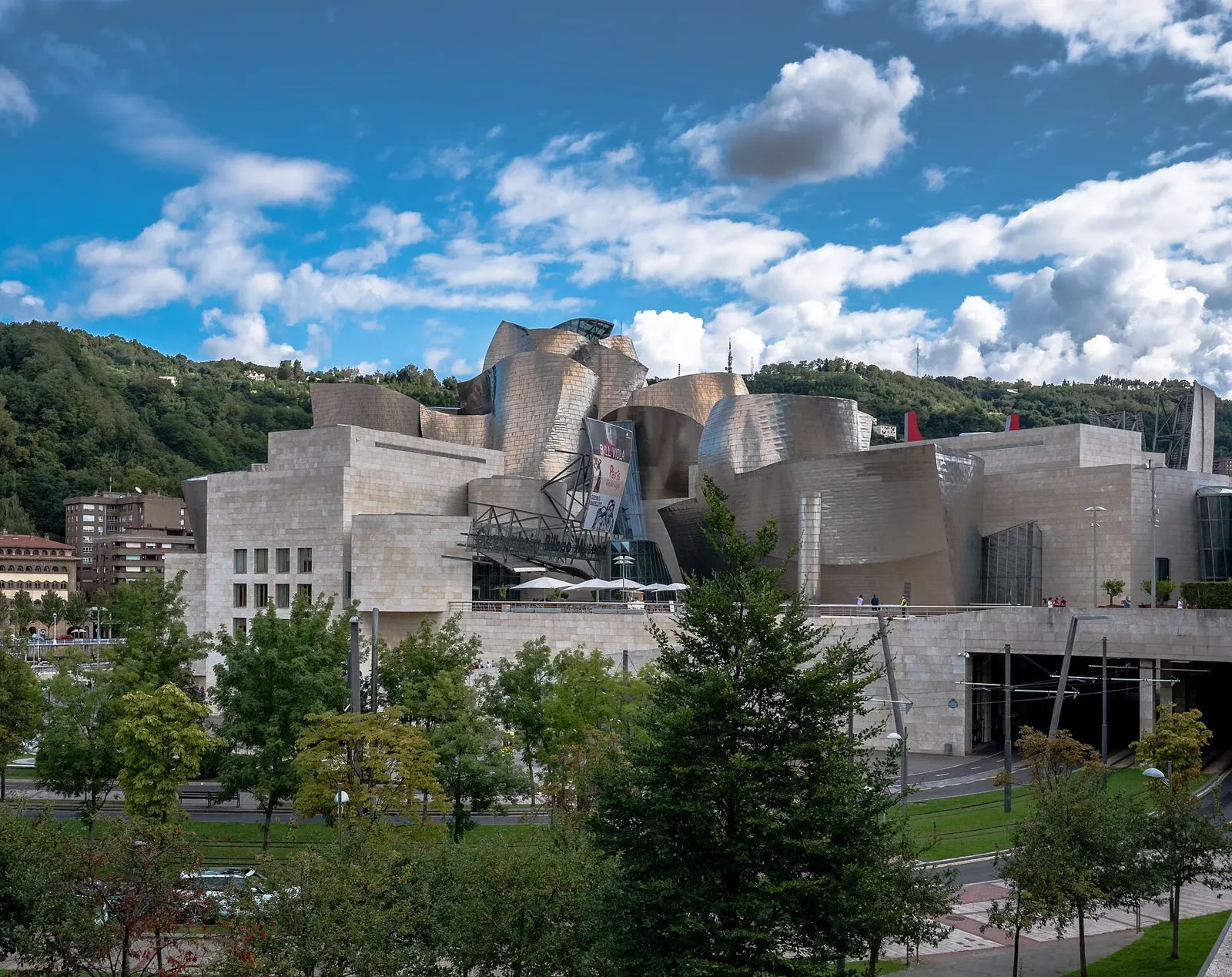
The Guggenheim Museum Bilbao opened on 18 October 1997 and was designed by Frank Gehry. Its curving forms are clad in titanium plates over a steel structure, with limestone and glass elsewhere, and the building sits right on the Nervión in the centre of the city. Outside, Jeff Koons's Puppy greets visitors. Even if you do not plan to spend hours inside, walking around the exterior and along the river is part of the experience. Opening hours and exhibitions change, so check the museum's official website before you go.
Along the river you will also find Azkuna Zentroa, a cultural and leisure centre created as part of the city's investment in new infrastructure. Allow time for an unhurried walk on both banks; the contrast between industrial heritage and contemporary design is the best way to understand how Bilbao has changed.
Casco Viejo and pintxos
Casco Viejo is the old town, in the Ibaiondo district, and it is the natural base for a first visit. Both Metro lines 1 and 2 stop at the Zazpikaleak/Casco Viejo station. Its narrow streets are best explored on foot, with no fixed plan other than to stop whenever a bar looks busy.
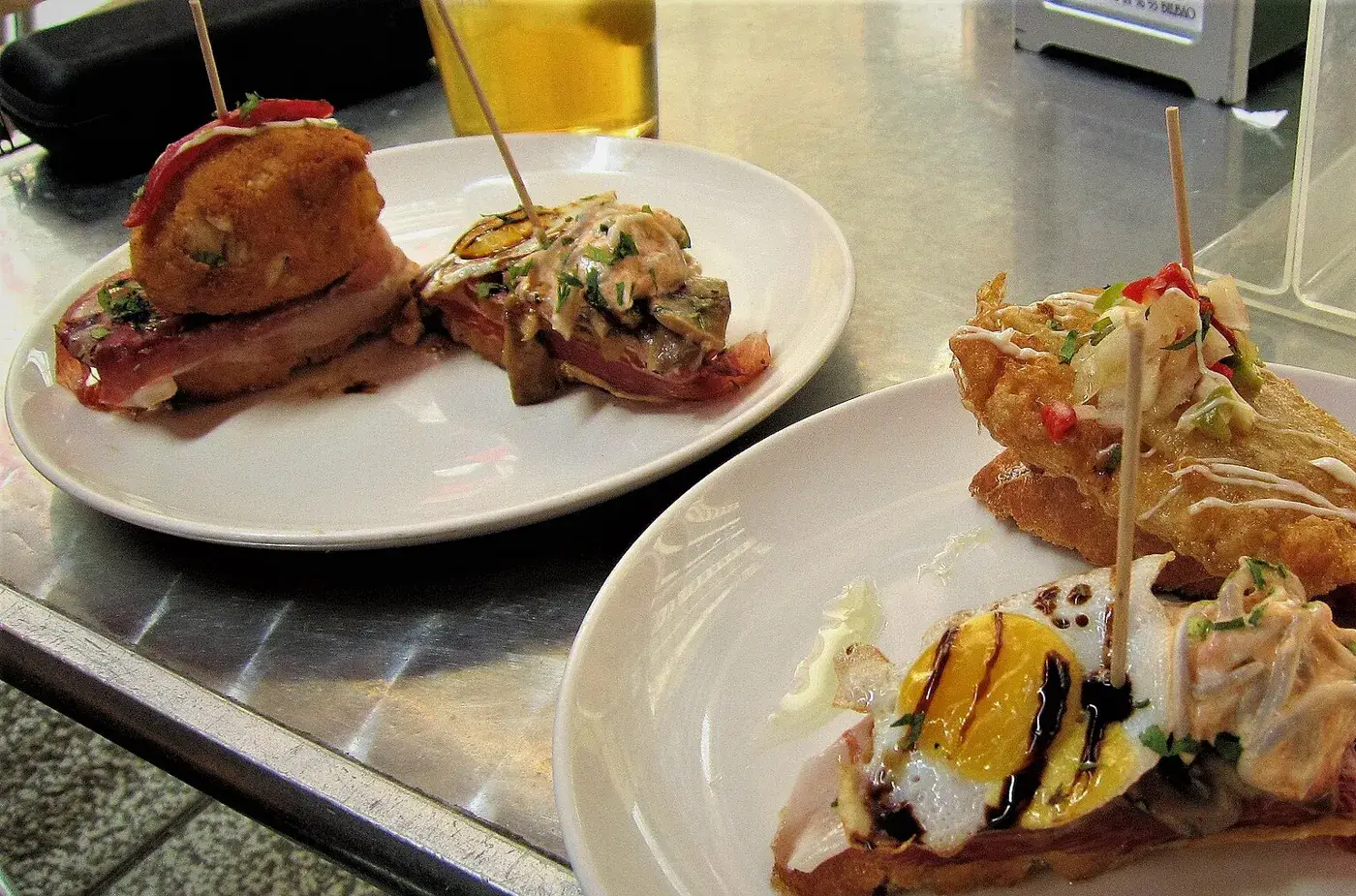
Pintxos (pinchos in Spanish) are small snacks eaten in bars and taverns. They are typically a small slice of bread with one or more toppings, and common ingredients in the Basque Country include hake, cod, anchovy, tortilla de patatas, stuffed peppers and croquettes. Many are held together with a toothpick, which helps the bar keep track of what you have eaten. They are usually served on the counter or on a tray, and they are normally ordered and paid for separately from drinks.
A traditional way to enjoy them is to move from bar to bar, taking a small glass of wine or beer and one or two pintxos in each. A few practical tips:
- Try txakoli, the young white wine often served with pintxos, or a simple beer.
- Keep your toothpicks or ask the staff how they count; practices vary from bar to bar.
- Eat early in the evening if you dislike crowds, or embrace the bustle later on.
- Ask what is freshly made rather than relying on what has been sitting on the counter.
Getting around Bilbao
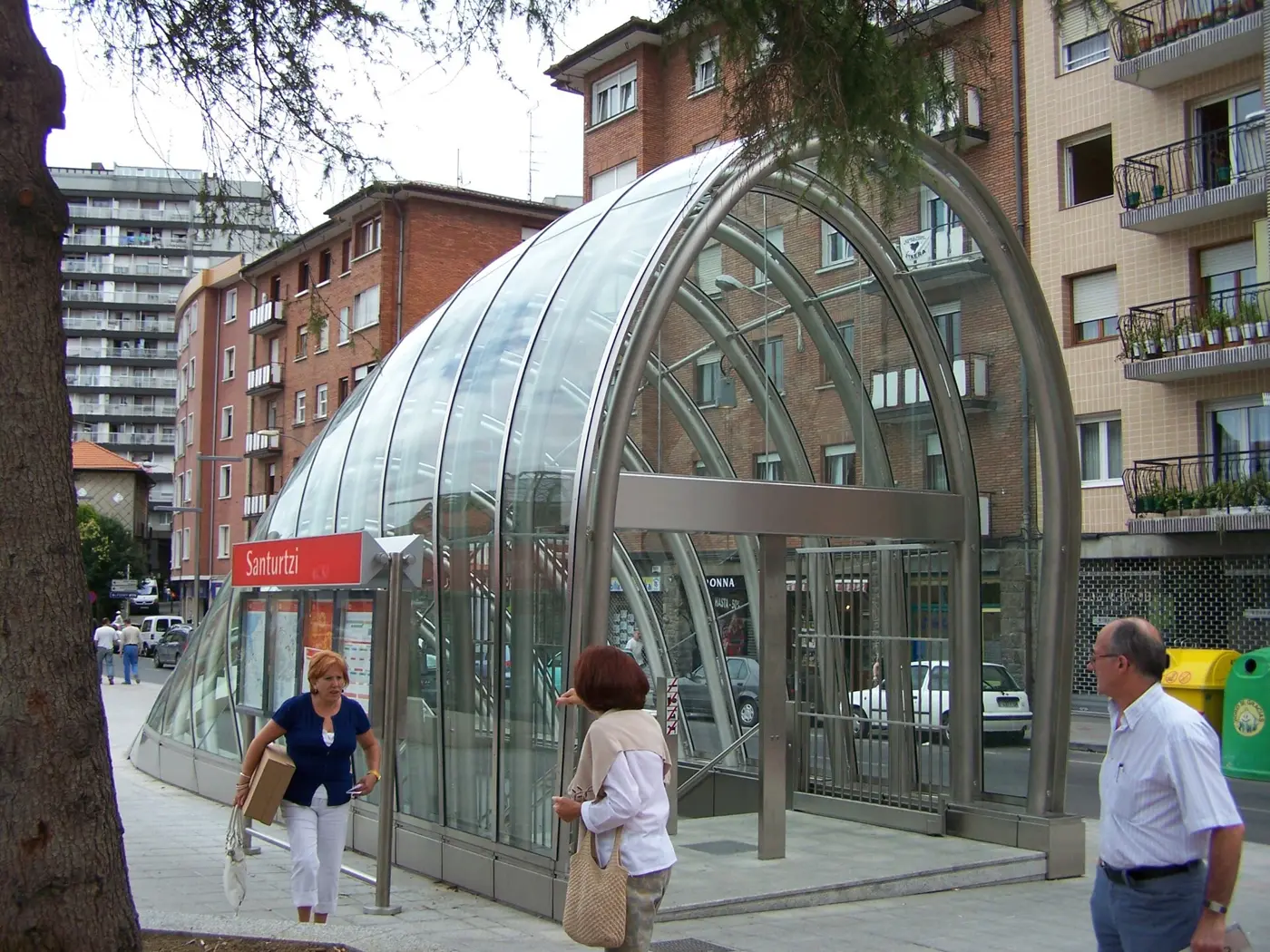
The Bilbao Metro opened its first stretch of Line 1 in 1995. The underground stations were designed by Norman Foster and partners, and the glass station entrances are nicknamed "fosteritos". The network has three lines and 48 stations; Lines 1 and 2 serve Casco Viejo, while Line 3 is operated by Euskotren. The city also has a tram and a municipal bus service, Bilbobus, and the Artxanda funicular is part of the public transport family. For fares, passes and timetables, always check the official operators' websites, as these change.
Note that a metro connection to the airport is, according to the sources we read, only a plan rather than a working service. Check current airport transfer options before you travel instead of assuming the metro will take you there.
Most central sights are close enough to walk between. Football fans may want to see San Mamés, the stadium of Athletic Club, a team known for its policy of signing only Basque players.
Day trips: the coast and the Vizcaya Bridge
Two excursions stand out, and both are close enough for a half or full day.
The first is the Vizcaya Bridge (Puente de Vizcaya), known locally as the "Puente Colgante". It is actually a transporter bridge, completed in 1893, which links Portugalete and Las Arenas (part of Getxo) at the mouth of the Nervión. It was declared a UNESCO World Heritage Site on 13 July 2006. Visitors can cross by the gondola or walk across the high platform, reached by lifts in the pillars, for views over the port and the bay. Check opening arrangements for the walkway before you go.
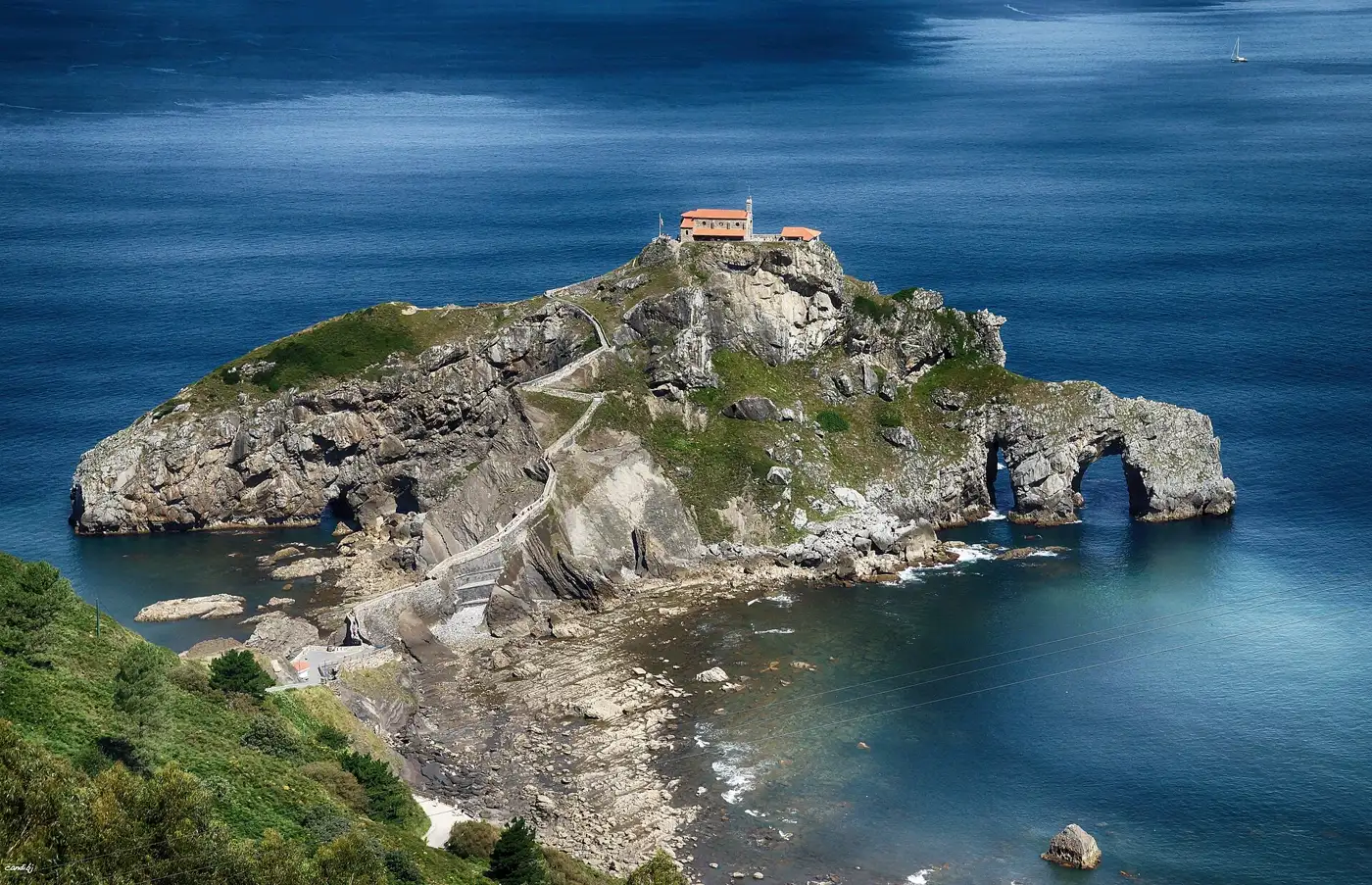
The second is San Juan de Gaztelugatxe, an islet on the Basque coast in the municipality of Bermeo, between Bakio and Bermeo. A stone bridge joins it to the mainland, and a staircase of 241 steps climbs to a hermitage dedicated to John the Baptist. The current building dates from 1980, after a fire, and scenes of Game of Thrones season 7 were filmed here in 2016. Important: Basque tourism authorities state that a free access ticket is required to visit, available through the official booking page (tiketa.eus/gaztelugatxe), so plan this in advance. From the Termibus station in Bilbao, line A3527 (Bilbao-Mungia-Bermeo) has a stop at Gaztelugatxe, and another line goes to Bakio. Winter services differ, so check the current timetable, and wear sturdy shoes because of the steps.
We have deliberately not included other cities as day trips, because we did not verify journey details for this guide. If you are thinking of adding another Basque city, check the official transport sites for the latest schedules.
Best time to visit
Bilbao has an oceanic climate with rain spread across the year. The rainiest season runs from October to April, with November the wettest month. Summers are mild, with average highs of 25-26 degrees Celsius, and winter minimums average 6-7 degrees. In other words, pack a light waterproof whatever the season. Summer is the easiest time for the coast, while the cooler months suit museums and long pintxos evenings. The city's main local festival is Aste Nagusia; dates change each year, so check the official city programme if you want to plan around it.
Where to stay and how to plan your stay
For a first visit, the Casco Viejo area puts you among the bars and the old streets, while the area near the Guggenheim and the river suits people who want museums, wide promenades and calmer evenings. Staying close to a Metro station keeps everything simple. You can browse stays on goaway.pt to look at accommodation options; we do not currently list specific properties for Bilbao in this guide, so use the search to see what is available for your dates.
A simple plan: spend the first day on the Guggenheim and the river, the second in Casco Viejo with an evening pintxos crawl, and the third on the Vizcaya Bridge or a booked trip to Gaztelugatxe. If you have a fourth day, keep it free for wandering. Before you travel, check opening hours, tickets and transport on the official sites, and when you are ready, browse stays on goaway.pt to find a base that fits your trip.