Budapest in Winter: Thermal Baths, Christmas Markets and Ruin Bars
25 Oct 2026
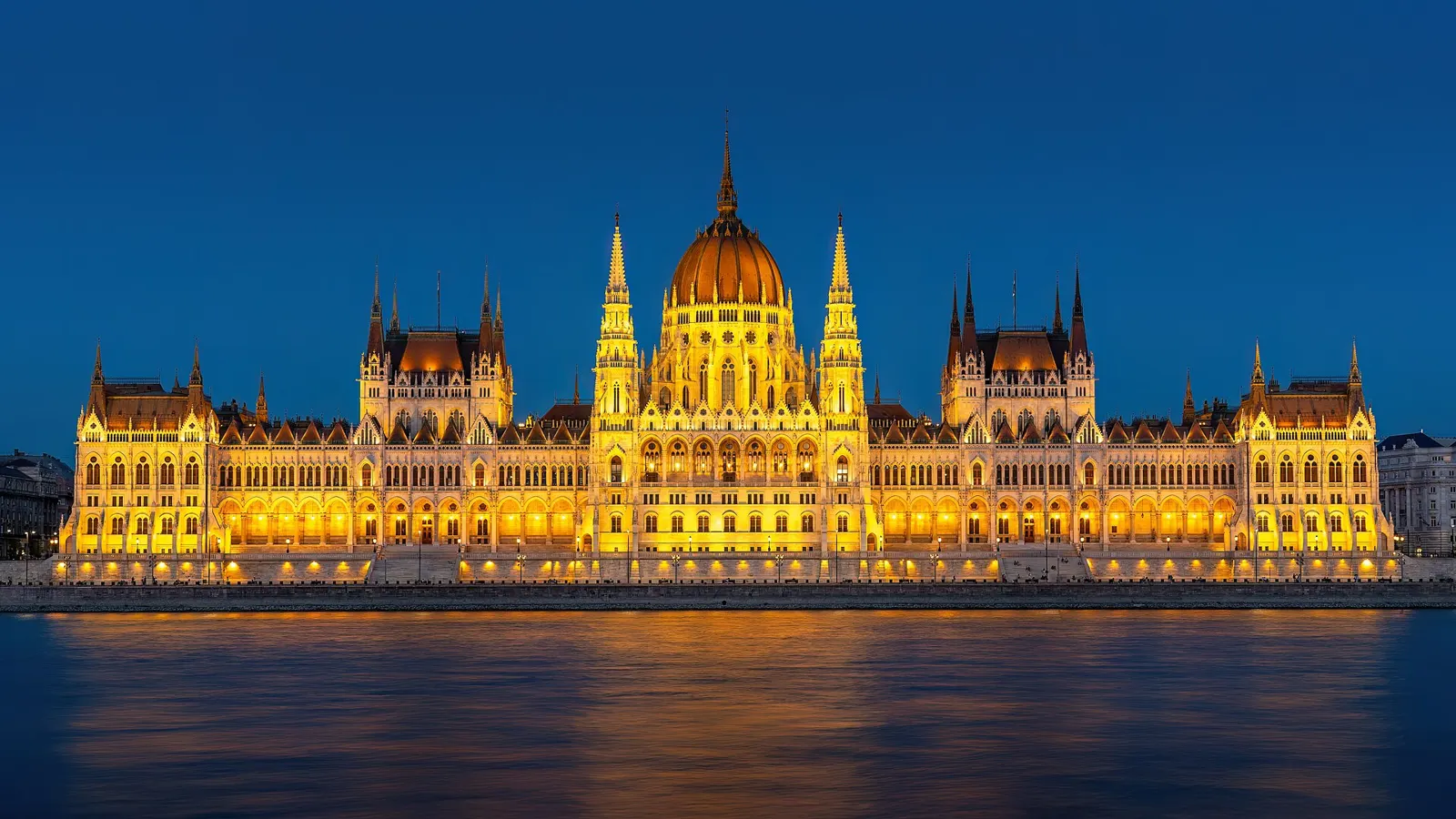
Budapest is one of those cities that gets better when the temperature drops. The capital of Hungary has around 1.7 million residents and sits on both sides of the Danube, and in winter its main pleasures move indoors and into the water: hot springs, grand cafés, candle-lit bars and Christmas markets. It is also high on the 2026-27 trend lists, with Hungary named among the countries travellers are searching for, and Budapest's Christmas markets are among the most searched in Europe. If you are weighing up a cold-season city break, here is a practical guide.
Why Budapest in winter
The city is often called the spa capital of Europe, with more than 100 medicinal geothermal springs. Soaking outdoors while the air is cold is the signature winter experience here. The rest of the city rewards short days too: the Danube banks are lit up in the evening, and compact sightseeing means you can alternate a landmark with a warm-up stop. Pack proper layers and shoes with grip, and plan indoor stops between outdoor walks.
Thermal baths: where to soak
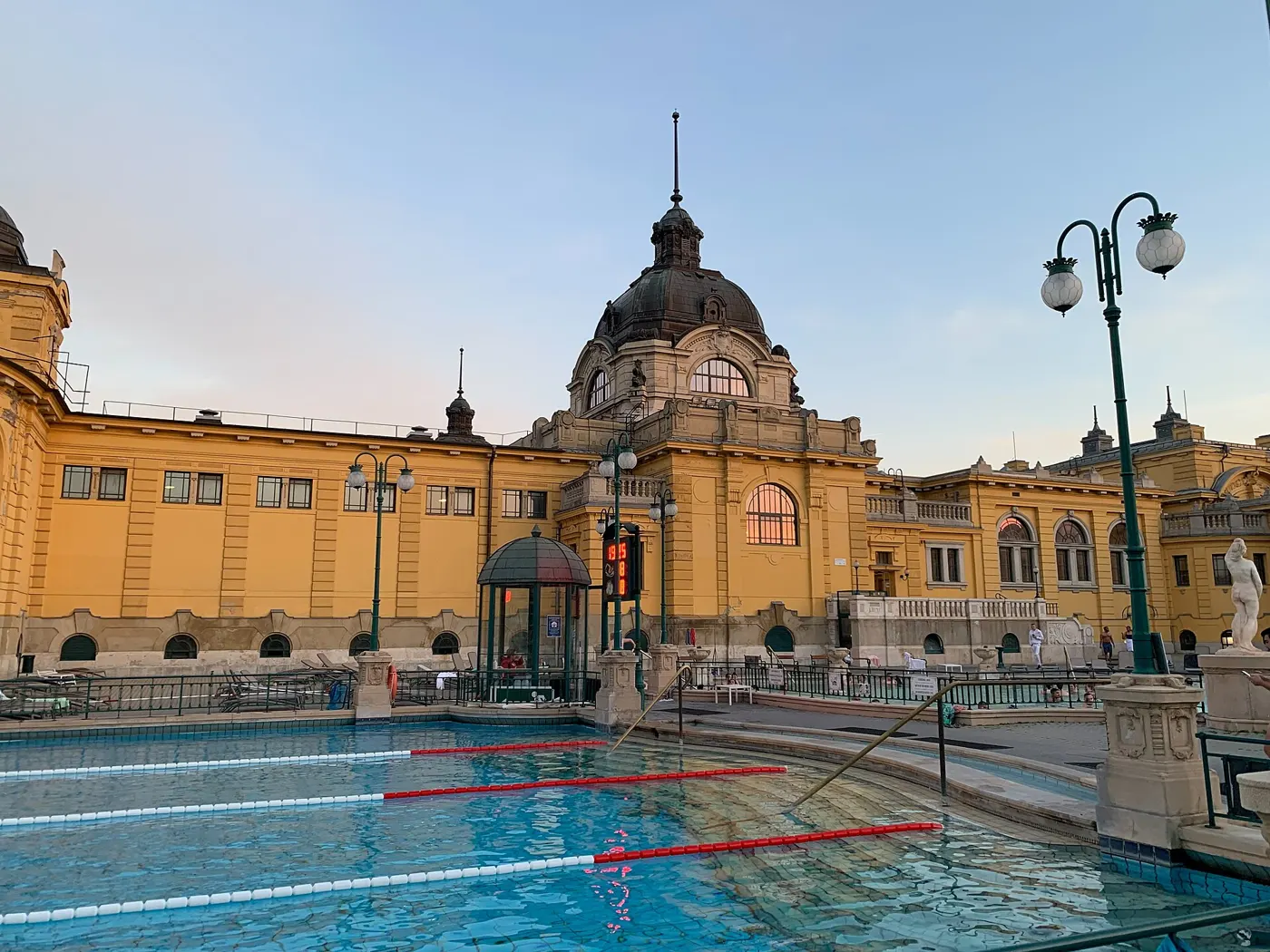
Three names come up first. The Széchenyi Medicinal Bath in City Park opened in 1913 and is a Neo-Baroque complex with both outdoor and indoor pools; its three outdoor pools run at roughly 27 to 38 degrees Celsius, so a swim in the cold air is possible. The Gellért Baths in Buda belong to the hotel of the same name, were completed in 1918 and are a showpiece of Art Nouveau (Secession) design, with spring water kept at around 35 to 40 degrees. For something older, Rudas and Király are Ottoman-era baths. Opening hours, ticket rules and any renovation closures change, so check each bath's official website before you go, and bring or plan for a swimsuit and towel according to their rules.
Christmas markets (check the dates)
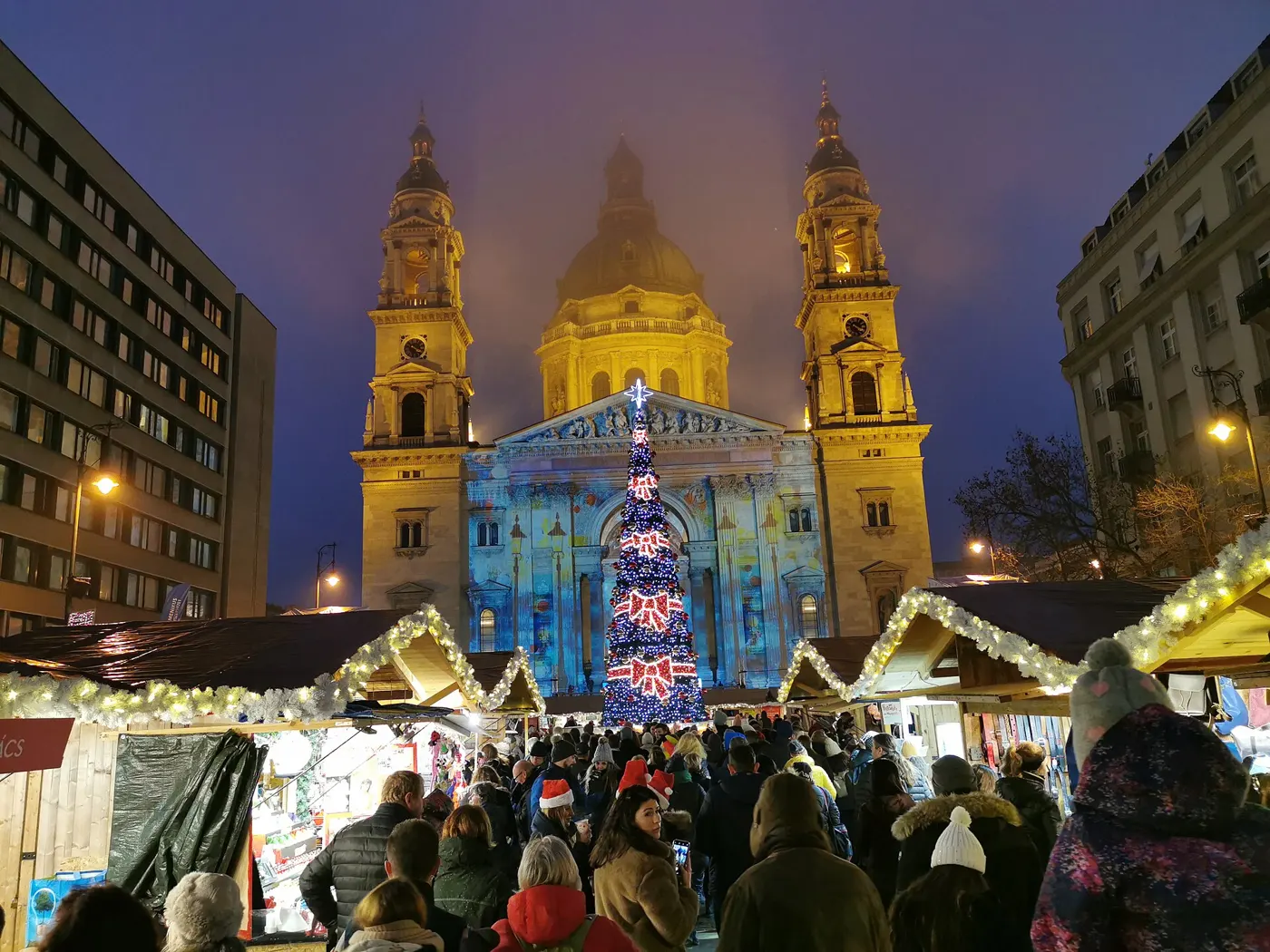
Two markets are usually mentioned first. One fills Vörösmarty Square with artisan crafts and festive food; the other, often called the Advent Fair, sits in front of St. Stephen's Basilica, with light projections on the façade and an ice rink mentioned by many visitors. Expect chimney cake (kürtős kalács), lángos, goulash and mulled wine. Opening dates and hours are announced each year and sources disagree, so treat anything you read as indicative: the markets generally start in mid-November and run to around the New Year, but check the official sites for the 2026 dates before you book. Evenings and weekends are the busiest times, and a weekday afternoon is calmer.
What to see between the baths
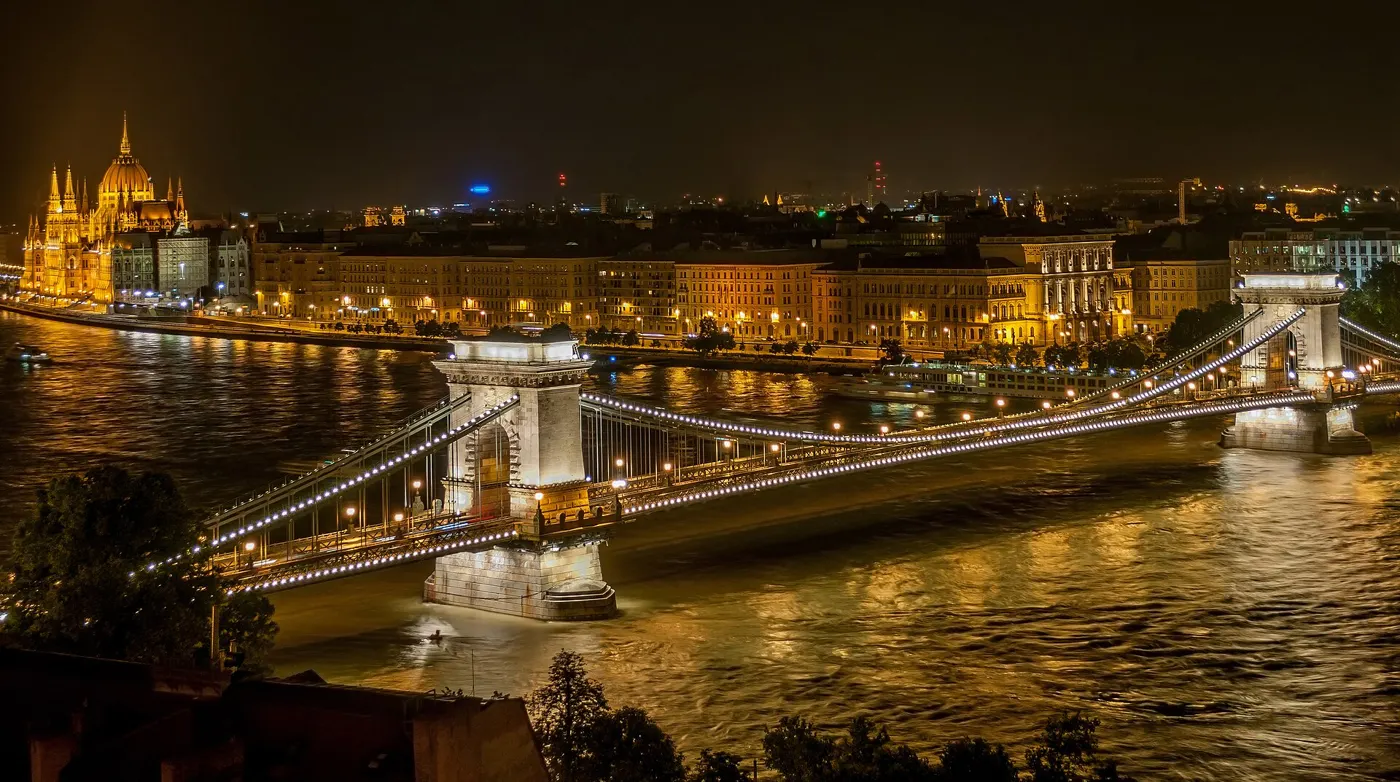
- The Hungarian Parliament on the Pest bank, striking after dark.
- The Chain Bridge, opened in 1849, linking Buda and Pest.
- Buda Castle, Matthias Church and Fisherman's Bastion on the Buda side.
- The State Opera House and Andrássy Avenue; the Danube banks, the Castle Quarter and Andrássy Avenue are part of a UNESCO World Heritage Site.
- Margaret Island, an island park in the river, for a crisp walk on a clear day.
The city also has more than 40 museums and galleries, which are the obvious answer to a grey or rainy day.
Ruin bars after dark
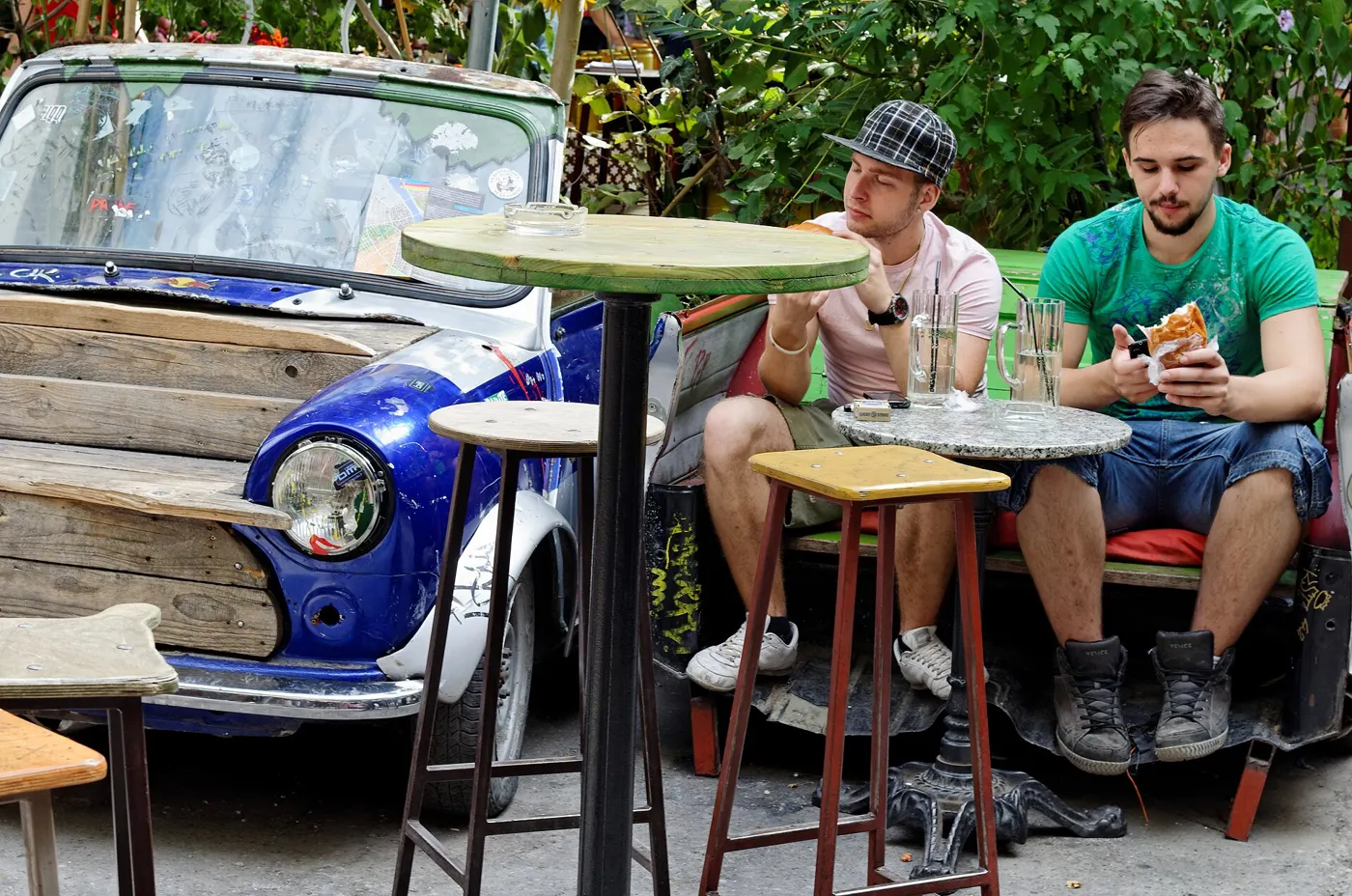
Ruin bars (romkocsma in Hungarian) are Budapest's best-known nightlife invention: bars in run-down buildings and courtyards, furnished with mismatched finds. Szimpla Kert, at 14 Kazinczy Street in the Jewish Quarter (District VII), is considered the pioneer; the pub started in 2002 and moved to its current building in 2004. It has grown into a visitor attraction with live music, a market and more, so go early if you want a seat. District VII has many other bars, which makes it easy to wander. Dress warmly for courtyards and check opening times locally.
Getting around
Metro and tram lines carry around 2.2 million people a day. The M1 Millennium Underground opened in 1896 and was the first underground line on the European continent; it is still a convenient way to reach the Széchenyi bath area and Andrássy Avenue. Trams along the river are a scenic alternative. Check the local transport operator's website for current tickets and routes.
Where to stay
Budapest is divided by the river: hilly Buda to the west, flat Pest to the east. Pest is the usual base for first-time visitors, as the Jewish Quarter, the Basilica area, Vörösmarty Square and many bars are close together, so you can walk to the markets and return to your room to warm up. Buda is calmer and nearer the castle and Gellért Hill. Browse all options in Budapest on goaway.pt. Options on goaway.pt include Downtown Apartments Budapest, Annabelle Downtown Apartments and Station Backpackers. Availability and details are on each listing page.
A practical tip for the cold months: build each day around one fixed anchor, such as a bath slot in the morning or a market visit at dusk, and leave the rest loose. Daylight is short, so do your outdoor sightseeing early and keep the evening for markets, cafés and bars. If you travel in the Advent period, expect crowds around the most photographed spots and allow extra time.
Plan your stay
Three nights is enough to combine one long bath session, a market evening, a day of sights and a night in the ruin bars. Book accommodation early if you want to be in Pest during the Advent weekends, confirm bath and market schedules on their official pages, and keep one flexible indoor plan for the coldest day. Budapest in winter is less about ticking off sights and more about warming up, slowly.