Castlerea and County Roscommon: What to See, from Clonalis House to Strokestown Park
16 Nov 2026
If you are choosing where to stay in Ireland's midlands and west, Castlerea is a quiet base for County Roscommon: it has one of the region's most important historic houses, Clonalis House, and several inland stops a short drive away. This guide gathers what the official sources say, without inventing opening hours or prices, and points to where you can check what changes.
What is there to see in Castlerea, and why start with Clonalis House?
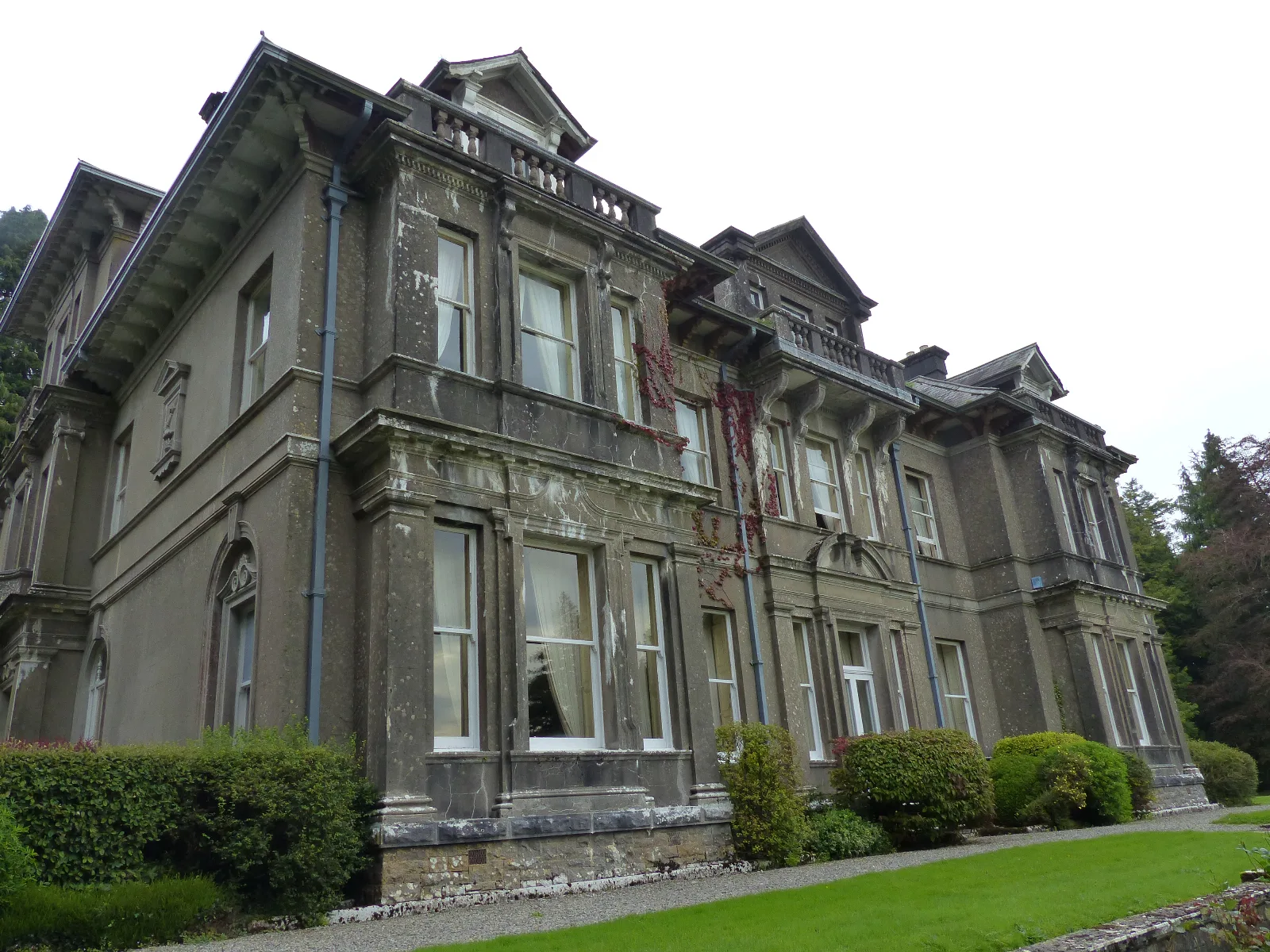
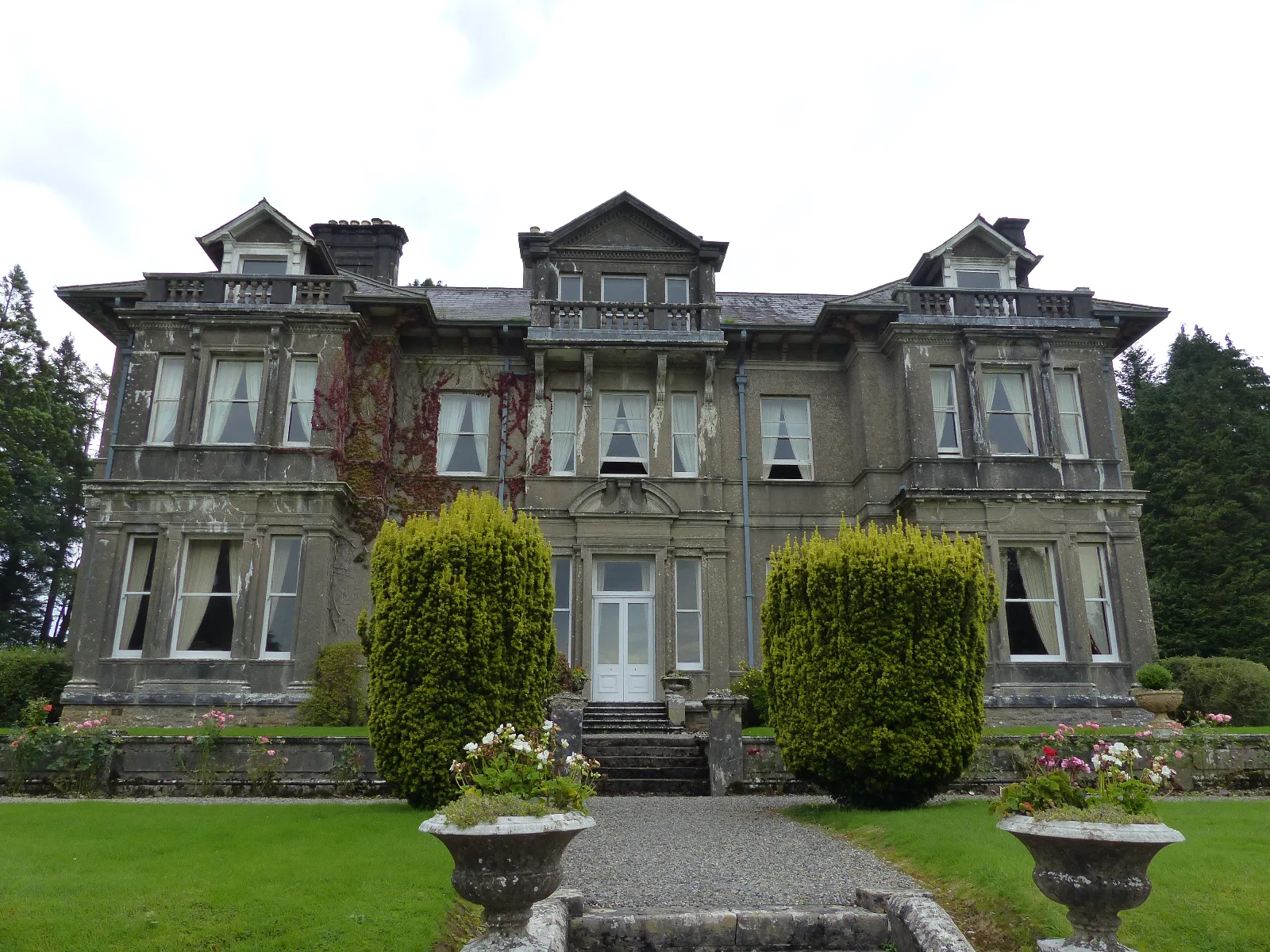
Visit Roscommon describes Clonalis as one of Ireland's most important historic houses, with a large collection of family portraits. The tour is guided and tells the story of the O'Conor family, descended from the last High Kings of Ireland, who were also the traditional kings of Connacht. The family lives on a heavily wooded estate of about 800 acres on the banks of the River Suck.
Items mentioned include correspondence, historical documents, heirlooms, the harp of Turlough O'Carolan, the famous blind harpist, and the inauguration stone of the O'Conor kings. The library is regarded as one of the best private collections in the country. The sources I read give different totals for the number of volumes, so I will not quote a figure: ask on the tour.
As for the building, the Tulsk History Society explains that it was built in 1878 by Charles Owen O'Conor to replace an earlier house that was often damaged by flooding. The design is by Frederick Pepys Cockerell and mixes Italianate and Queen Anne styles. The same source notes that the house was occupied by the IRA and later shelled and captured by Free State forces during the Civil War, a reminder of how local history follows the national story.
What is a visit to Strokestown Park and the National Famine Museum like?
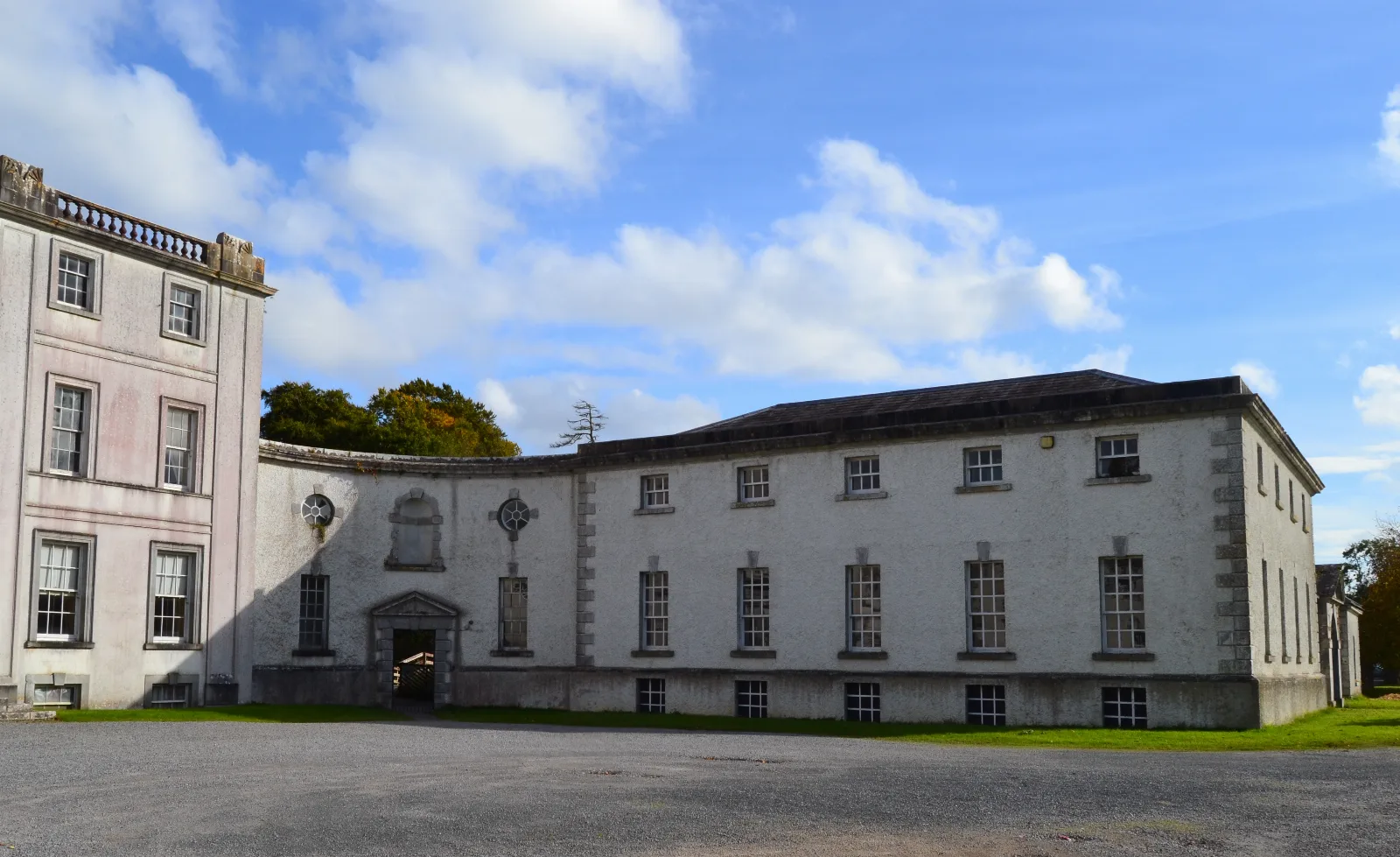
Strokestown Park brings three things together on one site: the Palladian house, the gardens and the National Famine Museum. The official website describes the guided house tour as a kind of time capsule, with original collections and the servants' quarters, showing life both above and below stairs.
The museum uses interactive exhibits plus local accounts and documents to tell the story of the Great Irish Famine. It is a heavy subject, so allow time and do not squeeze it between two other stops. There are also walled gardens, woodland trails, children's trails and a café in the old granary.
The same website presents the National Famine Way, a 165 km walking or cycling route that remembers the 1,490 people who were forced to walk from the Strokestown estate to Dublin in 1847. If you want to extend your trip, Dublin is where that route ends.
Which other stops fit into a day from Clonalis?
The Clonalis House website suggests, within about a 30-minute drive, the ruins of Roscommon Castle and nearby Roscommon Abbey. Boyle Abbey, a well-preserved Cistercian monastery, and Strokestown Park are also within easy driving distance. Further afield, in County Offaly, is the monastic site of Clonmacnoise, the resting place of the last two O'Conor High Kings.
If you prefer the outdoors, Lough Key Forest Park, about 40 minutes away, offers ziplining, cycling trails and boat tours. For myth and industry, the site also mentions Rathcroghan, the ancient royal site of the province of Connacht, and the Arigna Mining Experience, an underground mine that shows the region's industrial past.
One planning tip that is mine and not from the sources: combine at most two major attractions a day, because guided tours run at set times and inland roads are slower than they look on a map.
Where should you stay to explore Roscommon?
To sleep near Clonalis, look at the page for Tully's Hotel on goaway.pt and confirm the exact location, available dates and conditions there before booking. I do not describe amenities I have not verified. If you want to compare more options in the area, the Castlerea city page gathers what we list.
If you are building a bigger trip, our Wild Atlantic Way guide helps you see how the west of Ireland fits into a wider itinerary, and Roscommon works well as an inland stop.
What should you check before you go?
The sources ask for the same care: check each attraction's seasonal hours on its official website (Clonalis House, Strokestown Park, Boyle Abbey, Lough Key), book guided tours where that option exists, and confirm driving times on a map. Hours change by season and can change from one year to the next, so treat this guide as a starting point and not a timetable.
In short, two to three days are enough to see the two houses, an abbey and a park without rushing. If you only have one day, choose Clonalis or Strokestown, not both, and leave some slack for the rest.