Halloween City Breaks in Europe
25 Oct 2026
The weekend of 31 October 2026 is only days away, which makes this a guide for two kinds of traveller: the last-minute escaper who fancies a spooky city break, and the planner who wants to book next October early. We have picked four European cities where the dark atmosphere is rooted in real history rather than in plastic decorations: Dublin, Paris, London and Prague. Everything below is based on public sources, and anything time-sensitive is flagged so you can check it before you go.
Dublin: where Halloween began
If any city can claim a link to the origins of Halloween, it is in Ireland. The old festival of Samhain marked the end of the harvest and the start of the darker half of the year. Because the Celtic day began at sunset, the celebrations started on the evening of 31 October. Samhain already appears in Irish literature from the 9th century, and tradition held that the boundary between this world and the Otherworld grew thin: food and drink were left out for spirits, places were set for the dead at meals, and bonfires were lit on hilltops. Many scholars see Samhain as an influence on modern Halloween, and it later overlapped with the Christian feasts of All Saints (1 November) and All Souls (2 November), although some historians argue its influence has been overstated.
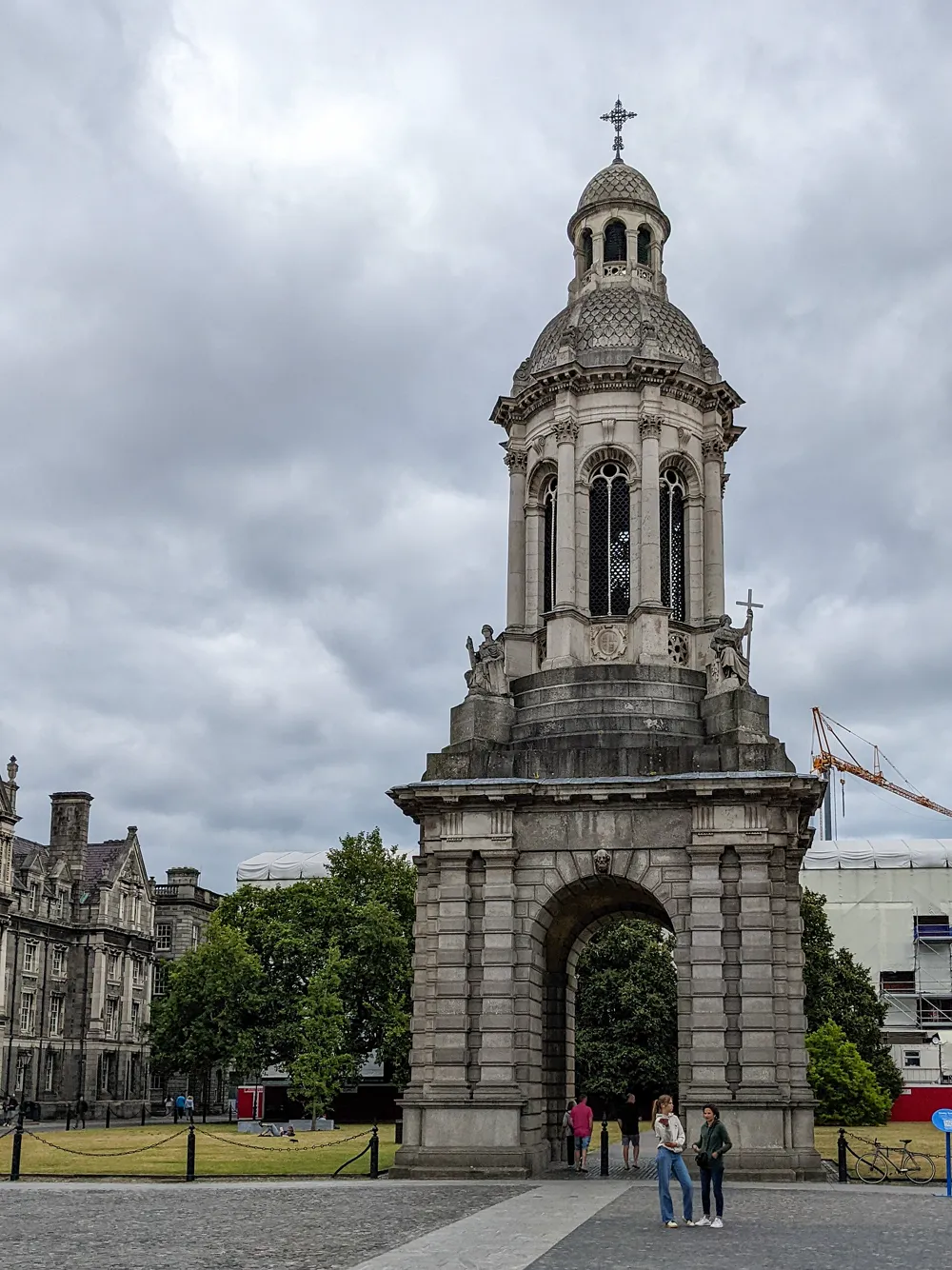
Dublin adds a literary-gothic layer. Abraham (Bram) Stoker was born in Clontarf, Dublin, in 1847, studied at Trinity College Dublin between 1864 and 1870, and published Dracula in 1897. The city celebrates him with the Bram Stoker Festival, a gothic festival drawing on his life and work, Victorian Dublin and the supernatural. For 2026 it was listed for the October bank holiday weekend, 23 to 26 October, so it falls just before Halloween itself. Dates change every year, so check the official festival website for the 2027 programme before planning around it.
For a base in the city centre, The Merchant House is one of the options listed on goaway.pt, and you can browse more on the Dublin page.
Paris: catacombs and a city of cemeteries
Paris offers two very different dark-heritage visits. The Catacombs are an ossuary created to relieve the city's overflowing cemeteries, with remains moved there from 1788 onward. They hold the remains of more than six million people and have been open to visitors since 1874. The entrance is at Place Denfert-Rochereau in the 14th arrondissement, next to Denfert-Rochereau station (Metro lines 4 and 6, RER B).
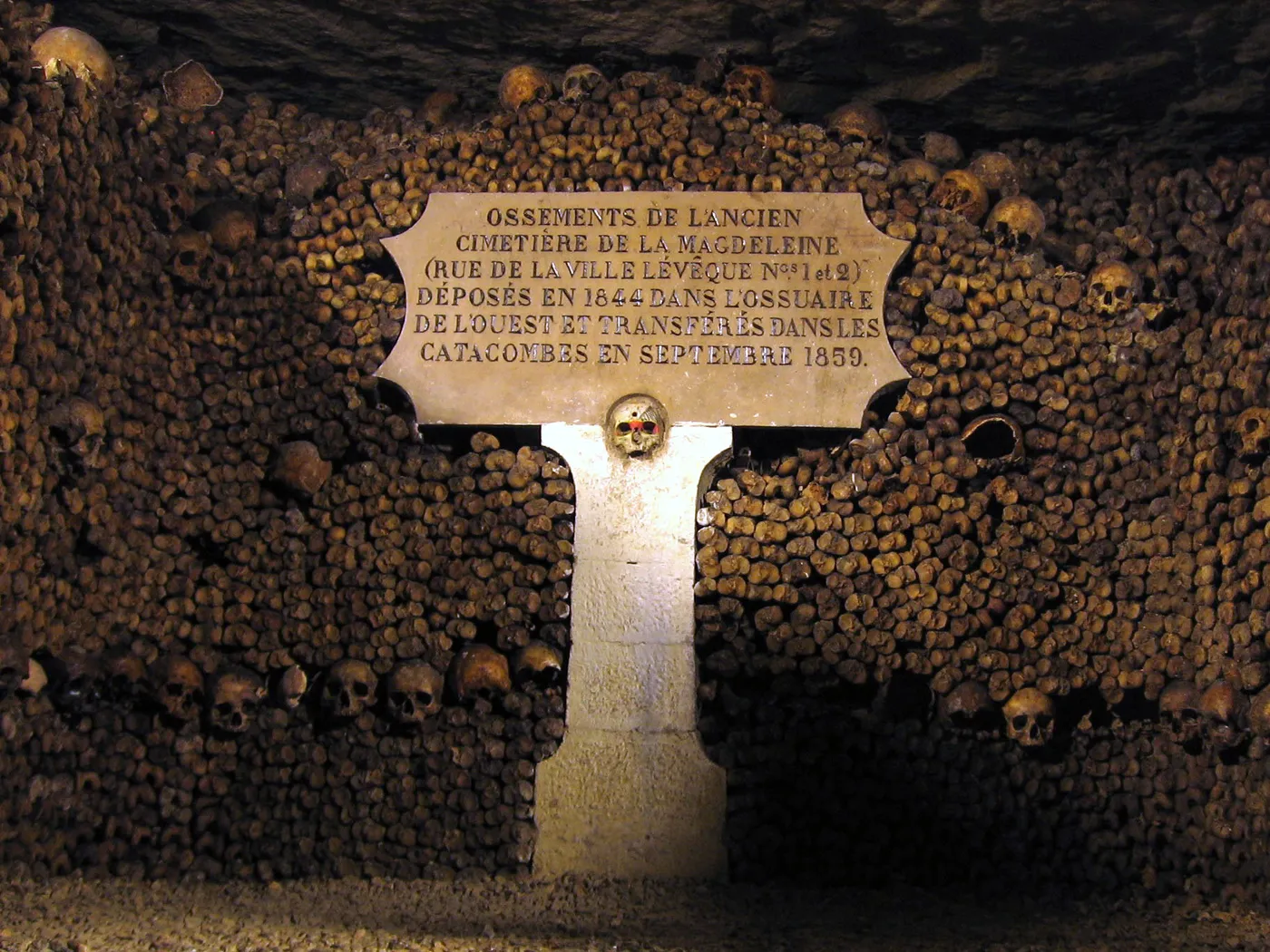
The practical point to know is that you should not simply turn up. Travel sources report that tickets are sold for timed slots, often released only a few days ahead, and that they sell out quickly in busy periods. Opening days, prices and the ticketing rules change, so use the official Catacombs website (catacombes.paris.fr) and treat third-party resellers with care. The route is underground, so it is not ideal for anyone uneasy in confined spaces.
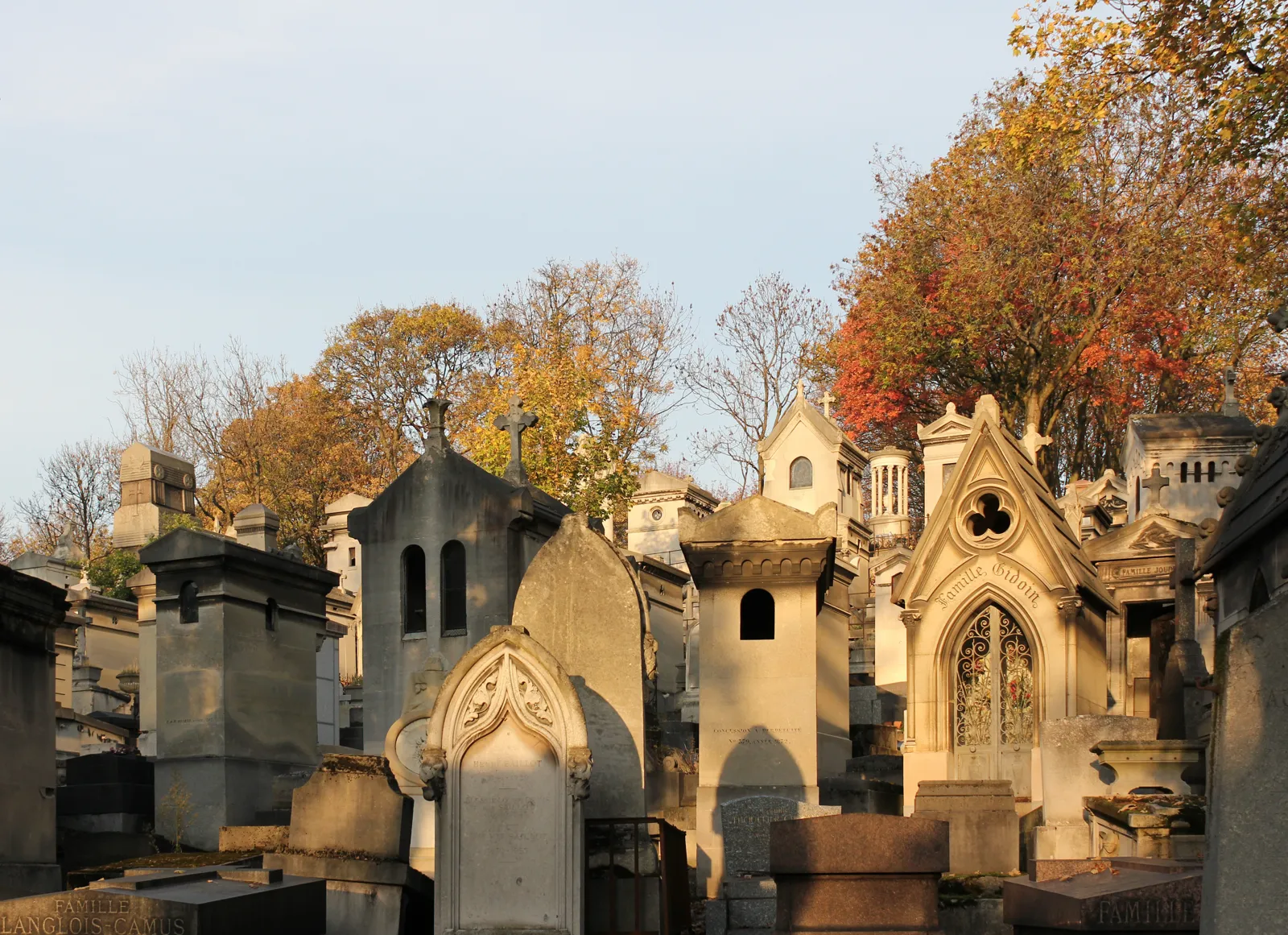
Above ground, Père Lachaise opened in 1804 and, at 44 hectares, is the largest cemetery in Paris. According to the city of Paris it holds over a million burials. Among the graves are Oscar Wilde, Jim Morrison, Édith Piaf, Frédéric Chopin, Honoré de Balzac and Marcel Proust. Its mausoleums and winding lanes make it atmospheric in late autumn light. The main entrance is next to Philippe Auguste station (Line 2), and Père Lachaise station (Lines 2 and 3) is about 500 metres from a side entrance. Check the current opening hours on the official city website.
Looking for somewhere to stay? Pullman Paris Tour Eiffel is among the options on goaway.pt, and the Paris page lists more.
London: ravens, Victorian cemeteries and ghost stories
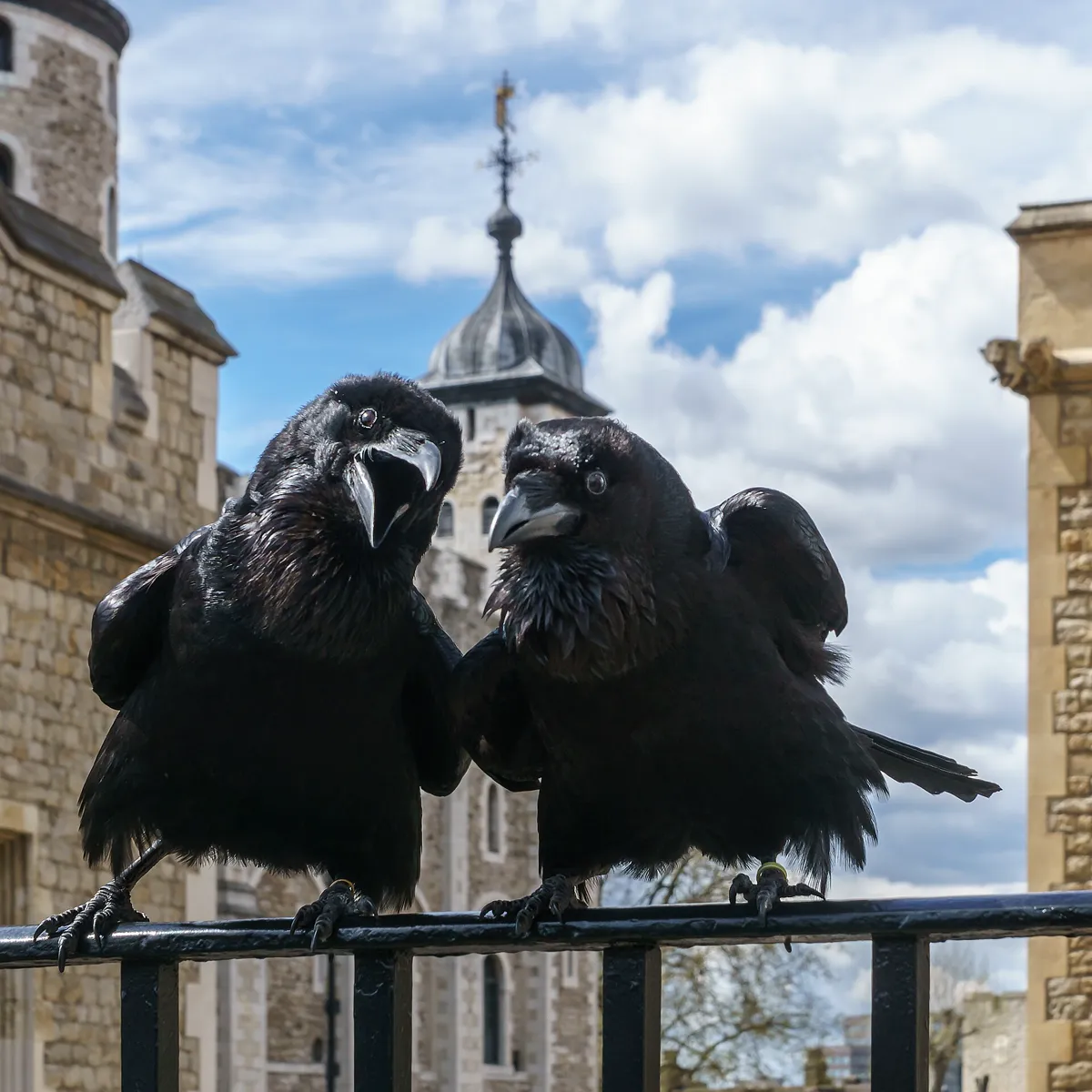
London's best-known dark legend belongs to the Tower of London. Local belief says that if the Tower's ravens are lost or fly away, the Crown will fall and Britain with it, and at least six ravens are kept there. The story is usually dated back to Charles II, but the Tower's official historian Geoffrey Parnell calls the raven mythology likely to be a Victorian flight of fantasy, and the earliest known depiction of captive ravens there dates from 1883. It is a good example of how a ghost story can be more interesting than the verified history behind it. Treat the legend as folklore.
For Gothic atmosphere, Highgate Cemetery is the classic choice. Its western side opened in 1839 as one of London's "Magnificent Seven" cemeteries, with elaborate tombs, vaults and winding paths, and the eastern side across Swain's Lane opened in 1860. The tomb of Karl Marx is on the East side. From the 1960s to the late 1980s the cemetery also attracted media attention for the alleged "Highgate Vampire", an occult-flavoured story that is best treated as a myth. Visiting arrangements for each side differ and change, so check the cemetery's official website before you travel.
When it comes to hotels, Pullman London St Pancras is one of the options on goaway.pt. You can explore others through the London page.
Prague: legends in a medieval centre
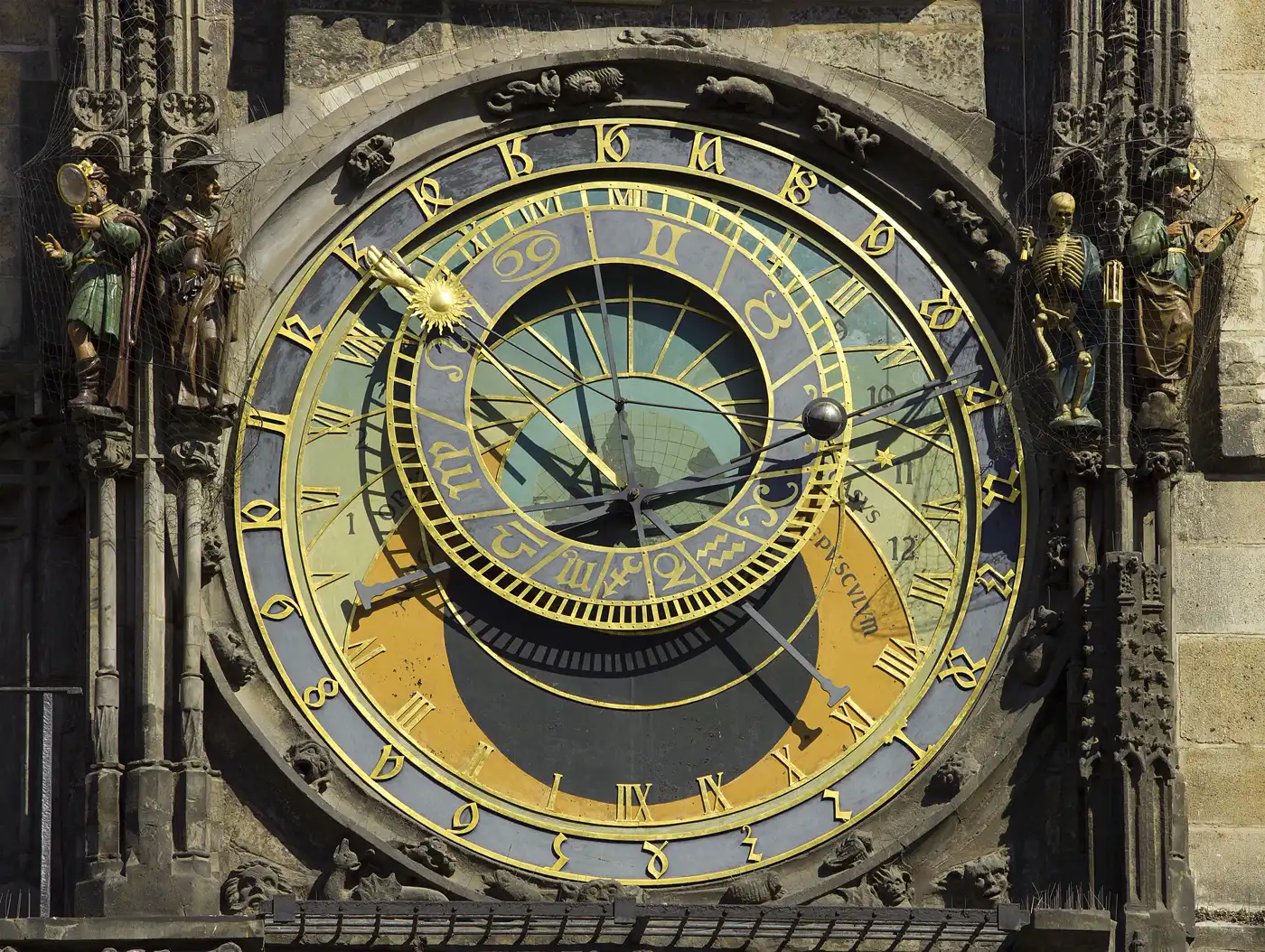
Prague's Old Town needs little help to feel eerie after dark. The Astronomical Clock (Orloj) has a first recorded mention dated 9 October 1410. On the hour, Apostle figures appear in the windows above the dial, while a skeleton representing Death strikes the bell. A popular legend says the councillors had the clockmaker, Hanuš (Jan Růže), blinded so he could never build another. Historians consider that a legend, and the attribution of the clock to him a historical mistake.
The Old Jewish Cemetery dates from the first half of the 15th century, and its oldest dated gravestone is from 1439. Space was so limited that new layers of soil were added, with thousands of gravestones crammed together. Rabbi Judah Loew ben Bezalel, known as the Maharal, is buried there. Prague's best-known legend, the Golem, a clay figure said to have been made by a rabbi to protect the Jewish community and now said to rest in the attic of the Old New Synagogue, is a story rather than documented history. Opening hours and tickets for the Jewish Quarter sites vary by season, so check the official Jewish Museum site.
If you like the theme in your accommodation too, Myo Hotel Mysterius is among the options on goaway.pt, and the Prague page shows others.
Getting around and what to check
- Dublin: festival programmes and event details are published on official sites, so check them close to your dates.
- Paris: Metro and RER reach both the Catacombs and Père Lachaise, as above.
- London: Highgate is reached by bus (route C11) or from Archway station.
- Prague: the Astronomical Clock and the Jewish Quarter both lie in the historic Old Town district.
Plan your stay
With 31 October close, pick one city rather than trying to cover all four. Dublin is the natural choice for Samhain history and literature, Paris for atmospheric cemeteries and the Catacombs, London for Victorian gothic and folklore, and Prague for legends in a compact centre. Before you go, confirm opening hours, ticketing rules and any event dates on official websites: festivals and tours change from year to year, and that is why nothing here is promised for a particular date. If you are planning for 2027, book your travel and accommodation early, since Halloween weekends are popular. The hotels linked above are options on goaway.pt, and you can compare them with others on each city page.