Hatillo, Puerto Rico: what to see and where to stay on the north coast
13 Nov 2026
Hatillo is a municipality on Puerto Rico's north coast, facing the Atlantic and tucked between Camuy and Arecibo. It is not the island's best-known destination, which is exactly why it suits travellers who want a calmer stay: it has beaches, an identity built on milk and a mask festival, and it sits within reach of two of the best-known sights in the north-west. This guide gathers what we found in checkable sources and tells you what to confirm yourself.
Where is Hatillo, and how is it different from San Juan?
According to Wikipedia, Hatillo lies in the Northern Karst region and borders the Atlantic to the north, Camuy to the west, Arecibo to the east, and Lares and Utuado to the south. It was founded on June 30, 1823 by Agustín Ruiz Miranda, a Canarian immigrant, and had 38,481 residents at the 2020 census. So it is a mid-sized town with its own local life, not a hotel strip built around a single resort.
That matters when you plan. In San Juan everything revolves around Old San Juan, the forts and the cruise ships. In Hatillo the pace is that of a coastal provincial town: shops, plazas, the parish church (Nuestra Señora del Carmen) and roads linking the coastal villages. For a first overview, see the platform's page for the town of Hatillo.
What is there to see and do in Hatillo?
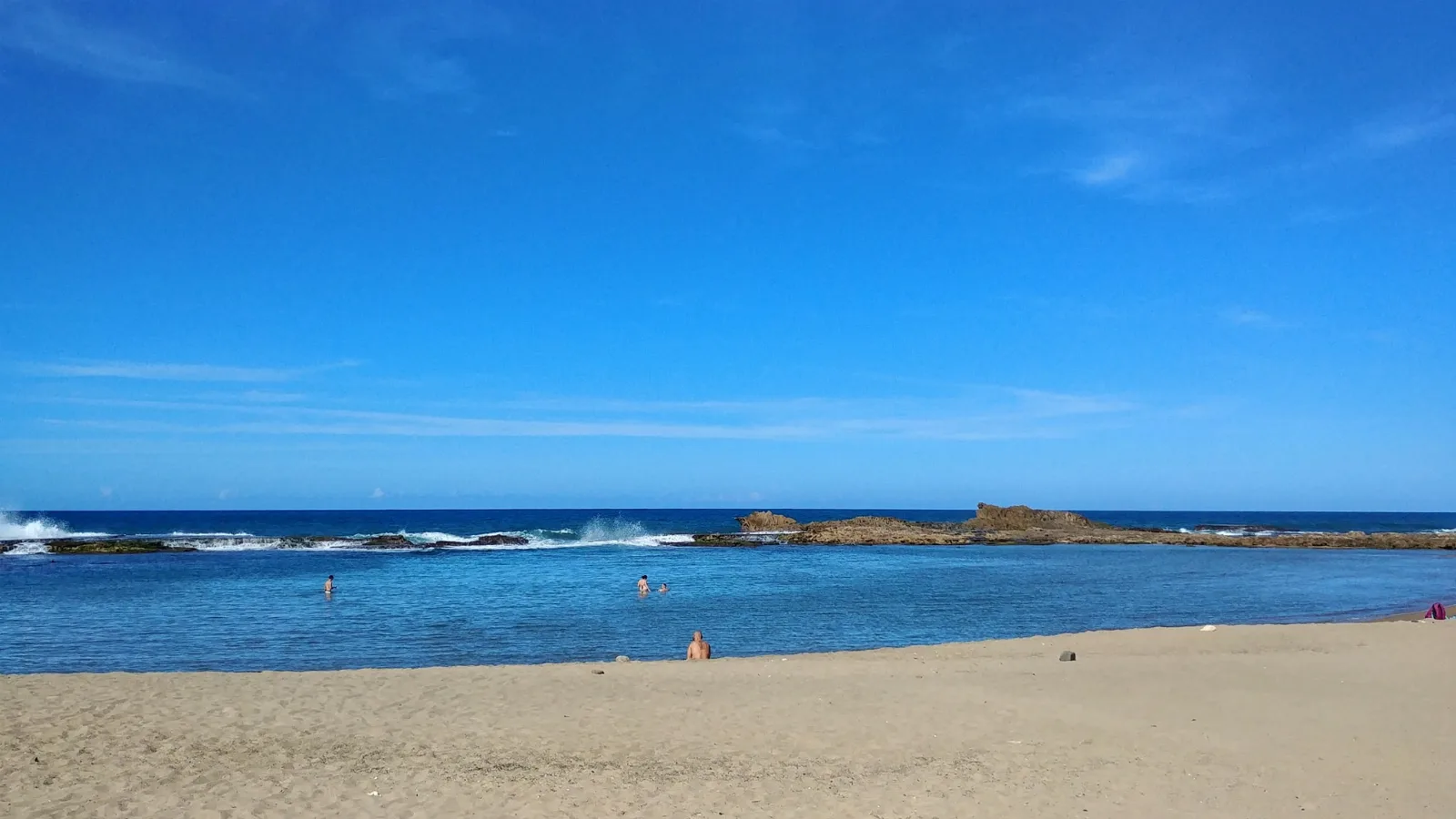
Beaches. Wikipedia, citing the local press (Primera Hora), speaks of ten beaches in the municipality and names two: La Marina and Sardinera. We found no official information on flags, lifeguards or sea conditions, so treat the north-coast Atlantic with the usual caution and ask your host where it is safe to swim that day.
The milk capital. Hatillo is known as the capital of Puerto Rico's dairy industry and, according to the same source, produces about a third of the milk the island consumes. A Fresh Milk Festival takes place in June, and the tourism campaign "Voy Turistiendo" lists El Gran Parque del Norte, Hatillo Novalac and Quesos Vaca Negra among places of interest. Check opening hours and whether visits are offered before travelling.
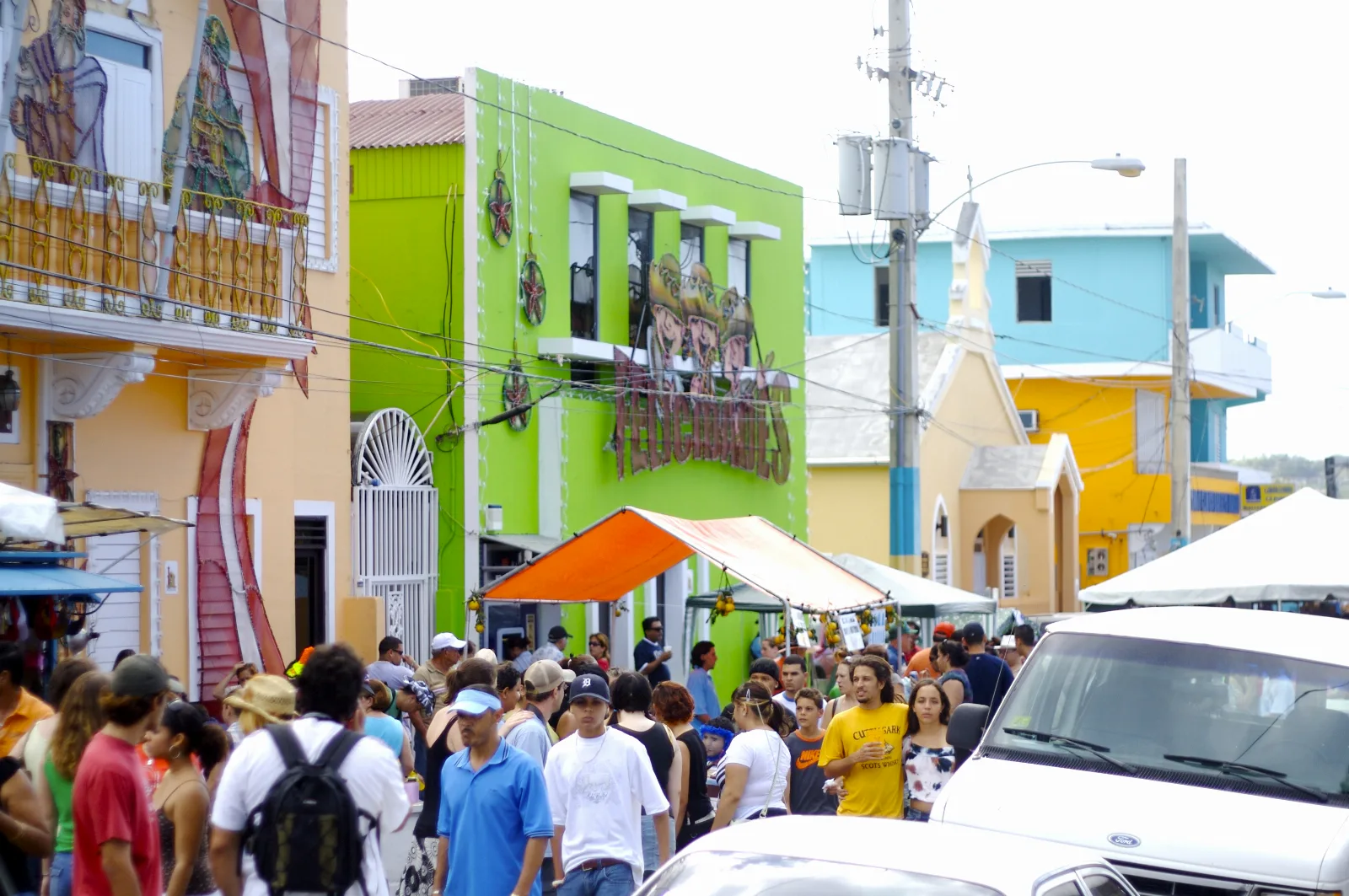
The Mask Festival. This is the most characteristic celebration. Described as annual, on December 28, it dates back to 1823 and comes from Canary Islands immigrants: originally, men dressed as women visited homes in exchange for food and drink, with masks drawing on the story of King Herod and a humorous tone. If your trip includes the end of the year, it is a solid reason to pick Hatillo; but dates and programme for each edition are announced by the municipality, so confirm them.
Other festivals. Wikipedia also mentions the patron saint festival in July, Hatillo es Bomba y Plena in October and a Christmas festival in December. Treat these months as a guide, not as guaranteed dates.
Which day trips work from Hatillo?
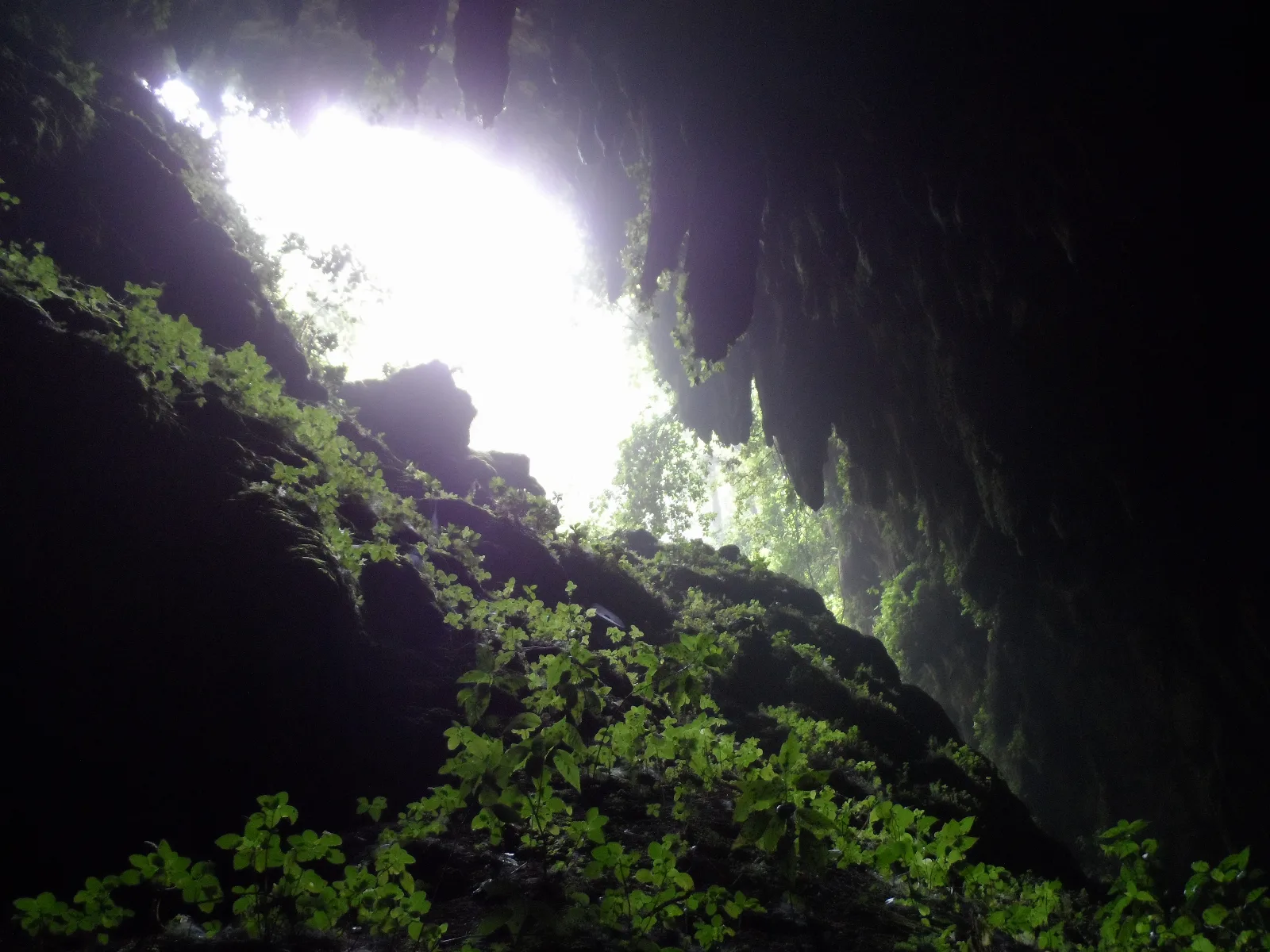
Camuy caves. The Río Camuy Cave National Park lies between Camuy, Hatillo and Lares, with its main entrance in Quebrada, Camuy. According to Wikipedia, the park covers 268 acres and the mapped system has over 10 miles of caverns. Cueva Clara is the main attraction, with a chamber about 700 feet long, and the Tri-Towns Sinkhole is about 650 feet wide with three observation platforms. The park was damaged by Hurricane Maria in 2017, reopened on March 24, 2021, and closed again from September 2022 to February 2023 because of Hurricane Fiona. The page we consulted does not give the current status, so always confirm whether it is open and whether you need to reserve.
Arecibo. The Arecibo radio telescope opened on November 1, 1963 and collapsed on December 1, 2020; in 2022 the NSF announced it would not be rebuilt and that an educational facility would be set up on the site. The visitor center stayed operational after the collapse, with interactive exhibits. If the telescope itself is what draws you, you will not see it: the visit now makes sense for the history and the exhibits. For a stay on the Arecibo side, the platform has a page for Ventana al Atlantico Boutique Hotel and one for the town of Arecibo.
When is the best time to go to Hatillo?
Vogue Brasil states that peak tourist season in Puerto Rico runs from December to April and that hurricane season lasts from June to November. For Hatillo that means two decisions: if you travel now or before the end of November, choose rates with flexible cancellation and follow the forecast; if you travel in December you meet higher demand, but also the Mask Festival. We found no official temperature or rainfall data for the municipality, so we do not make any up.
Where should you stay in Hatillo?
On the platform, the page for Hotel Punta Maracayo Resort is the starting point for staying in this part of the north coast; that is where to confirm location, amenities, cancellation policy and current prices, because we do not describe them here without having verified them. We also have a companion guide on what to do near Punta Maracayo Resort, useful if you want to see the resort's surroundings. Public booking listings also show properties near the beaches of Hatillo and Camuy, but amenities change, so always compare the dates you need.
What should you confirm before booking?
Three things. First, the status of the cave park and of the Arecibo visitor center, since both have been affected by hurricanes and the 2020 collapse. Second, the date and programme of the Mask Festival, which belong to the municipality. Third, how you will get around: our research found no official information on public transport between Hatillo and the attractions, so plan on a car and check the rental company's rules. Puerto Rico is a US territory and uses the US dollar, according to Vogue Brasil; check entry rules for your nationality in official sources before travelling.
In short, Hatillo rewards those who want a quiet base with beach, tradition and short excursions, not those looking for nightlife or big monuments. Plan around what is confirmed and leave the rest to discover on the spot.