Prague winter guide: Christmas markets and what to see
25 Oct 2026
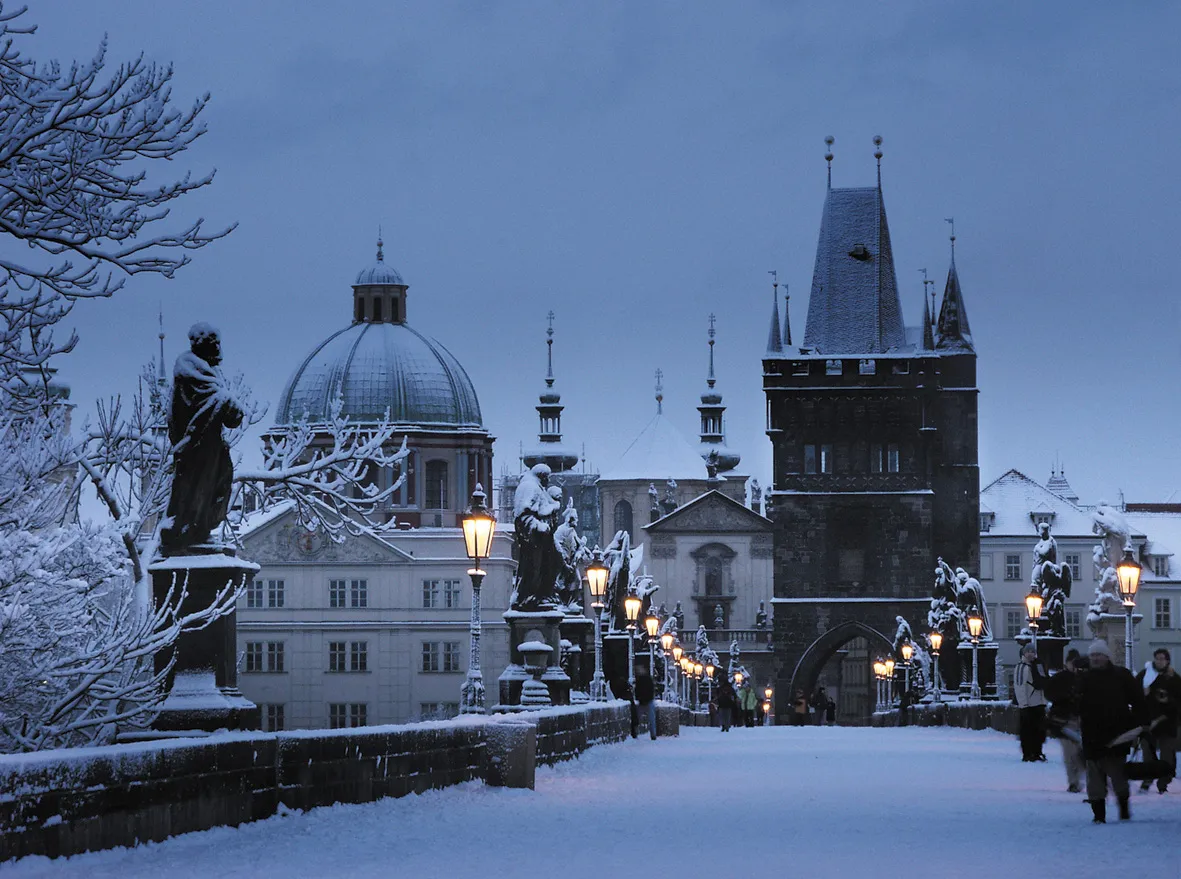
Prague has a habit of looking its best when the weather turns cold. Snow on the rooftops, lamps lit by mid-afternoon and a historic centre that is compact enough to cross on foot make winter a rewarding time to go. Czechia also features among the destinations travel platforms are flagging as trending for 2026, so interest in the Czech capital is rising. This guide covers what to see, how the Christmas season works, which neighbourhoods suit different trips and how to get around. You can browse stays in Prague on goaway.pt.
Why Prague in winter
The Historic Centre of Prague has been a UNESCO World Heritage Site since 1992, and its mix of Gothic, Baroque and later architecture is easy to appreciate in any season. In winter the main sights are usually less crowded than in high summer, although the Christmas period is the exception, so book early if your dates fall around the holidays.
Be realistic about the weather. Wikipedia's climate figures put average January temperatures at roughly -0.5 C at night and 3.9 C by day, with little sunshine and a record low of -27.5 C. Pack a warm coat, gloves, a hat and shoes with grip, because cobbled streets and bridges can be slippery when frosty. The upside is that museums, cafes and historic halls make easy places to warm up between outdoor stops.
Christmas markets: what to expect
The two best-known Christmas markets are on Old Town Square and Wenceslas Square. Guides from previous years describe them opening in the last days of November or the very start of December and running until 6 January. Opening dates and hours vary from year to year and sources disagree for 2026, so check the official Prague tourism website or the market organisers for confirmed dates before you book flights or accommodation.
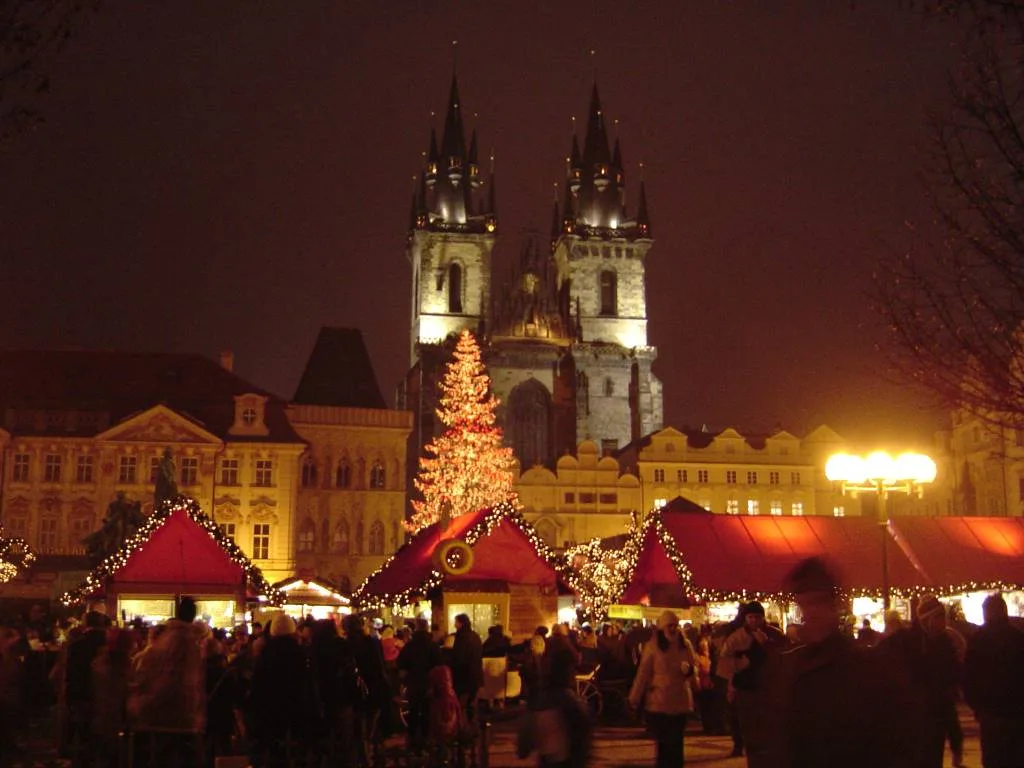
Expect stalls selling crafts and decorations, plus food and hot drinks, in the open air. Evenings are atmospheric but busy, and weekends are the busiest of all. If you prefer a quieter experience, visit on a weekday morning, then come back after dark to see the lights.
What to see and do
Most of the headline sights sit close together, so a first visit works well as a loose walking loop. Here are the places most visitors put on their list:
- Old Town Square and the Astronomical Clock - the historic heart of the city and the setting for one of the Christmas markets.
- Charles Bridge - the famous stone bridge across the Vltava, best crossed early in the day or after dark when it is calmer.
- Prague Castle - Guinness World Records lists it as the largest ancient castle in the world. The complex covers almost 70,000 square metres and includes St Vitus Cathedral, the Old Royal Palace with its Vladislav Hall, and Golden Lane. Check the official castle website for current opening hours and ticket options.
- The Jewish Quarter (Josefov) - a compact district of historic sites near the Old Town.
- Petrin hill and Vysehrad - higher ground for views over the city, a good option on a clear winter day.
Prague Castle drew about 2.59 million visitors in 2024, making it the most visited paid attraction in Czechia, so go early and allow a generous half day.
Where to stay: neighbourhoods
In 1784 four towns were merged to form the city, among them the Old Town (Stare Mesto), Mala Strana (the Lesser Town) and the New Town (Nove Mesto). These areas still make a handy way to choose a base.
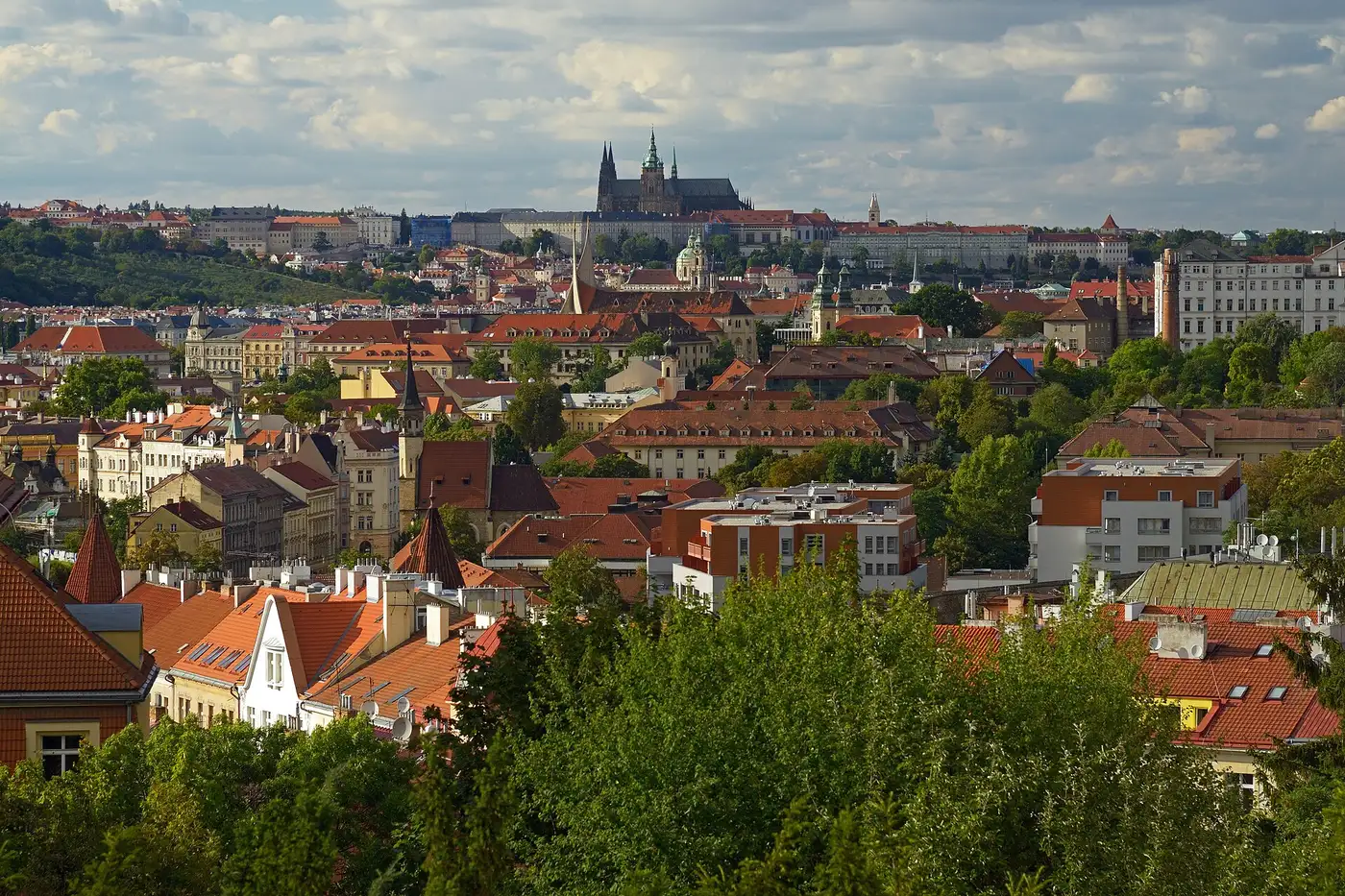
Old Town puts you next to the square, the clock and the main market. It is the most convenient choice for a short Christmas break, though also the busiest. Mala Strana, below the castle on the opposite bank of the river, tends to feel calmer in the evenings. The New Town is close to Wenceslas Square and the second market and has plenty of everyday restaurants and shops. Further out, districts such as Vinohrady and Zizkov are part of the tourist map too and suit travellers who prefer a more residential feel and are happy to take a tram or metro into the centre.
On goaway.pt you can compare options in the city, including Myo Hotel Mysterius, Hotel Imos Prague and Charles Bridge Heritage Suites by SALVATOR HOTELS. These are listings on our portal; check each page for location, facilities and current availability before choosing.
Getting around
Prague's public transport is run as an integrated system. The metro has three lines, A (green), B (yellow) and C (red), with a fourth, D, under construction. Trams, buses, funiculars and ferries are part of the same network, and the same tickets are valid across the metro, trams, buses, funiculars and ferries. The metro usually runs from about 4 or 5 am until midnight, with trains every few minutes at busy times. Always check the official transport operator for current fares, zones and night services.
The airport is Vaclav Havel Airport, renamed in 2012 and formerly known as Prague Ruzyne. Check the airport and transport operator websites for the best way into the centre on the day you travel. For the historic core, walking is usually the best option, so wear comfortable shoes with good grip in winter.
Plan your stay
Three nights is a comfortable minimum for the centre, castle and a Christmas market evening, and a fourth night lets you add Petrin, Vysehrad or the Jewish Quarter at a relaxed pace. Confirm market dates and attraction opening hours on official sites close to your trip, book accommodation early if you are travelling in December, and keep a flexible plan for cold or rainy hours. You can explore all stays in Prague, compare neighbourhoods and shortlist places such as Myo Hotel Mysterius or Charles Bridge Heritage Suites by SALVATOR HOTELS on goaway.pt.