Sal, Cape Verde: Winter Sun Guide for 2026-27
25 Oct 2026
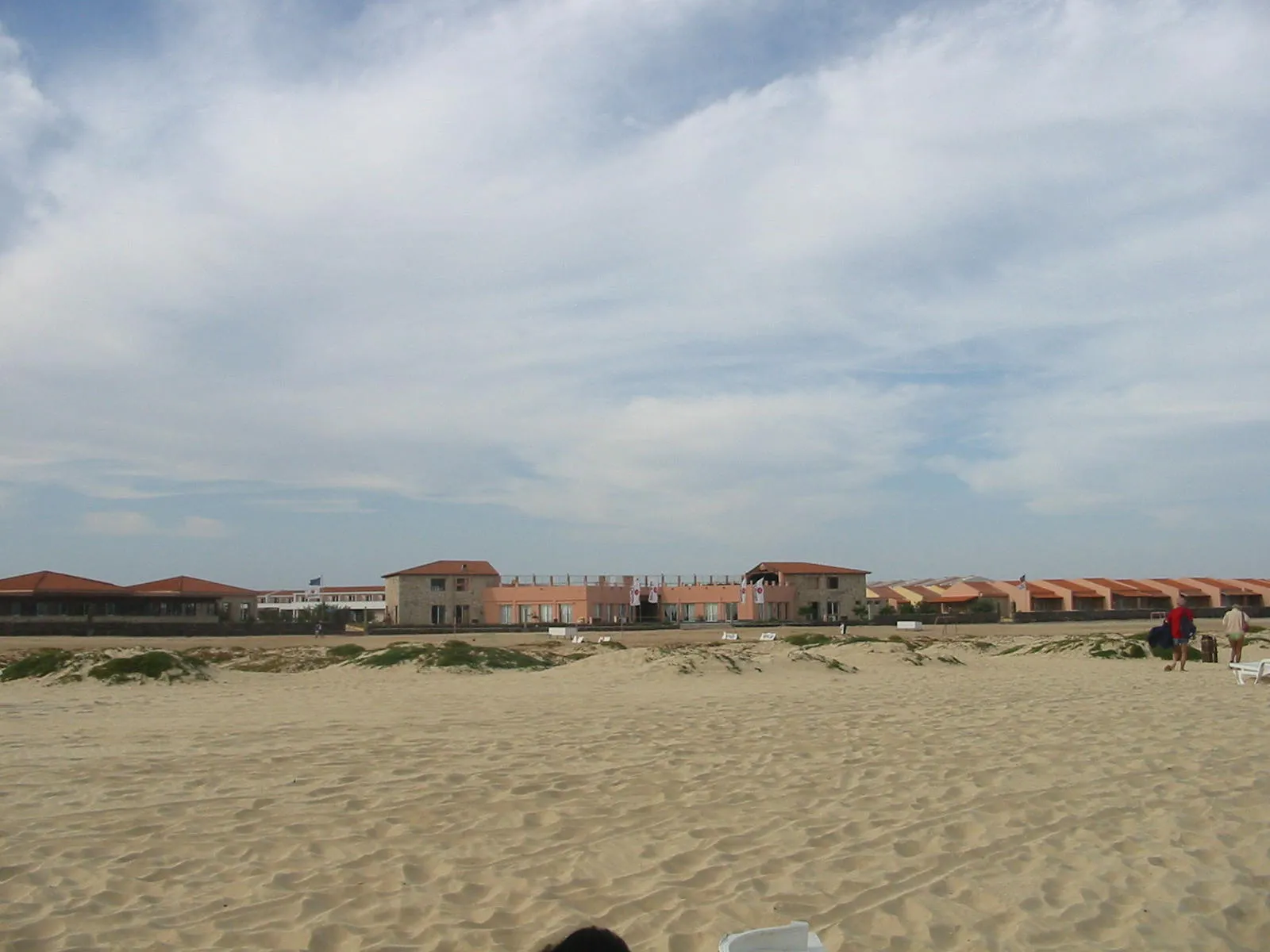
Every year, travellers look for somewhere warm to break up the northern winter, and for 2026-27 one island keeps appearing in the lists. Skyscanner's Travel Trends 2027 report places Sal, in Cape Verde, among its fastest-rising destinations in flight-search growth. The exact growth figures reported in the press differ depending on the market measured, so we will not quote one. What matters for you is simpler: Sal is a small, dry, sunny Atlantic island with long beaches, a few unusual sights and a lot of wind and water sports. This guide covers the essentials.
Why Sal, and why this winter
Sal is the third most populous island of Cape Verde, with about 39,700 inhabitants in 2019, yet it is small: roughly 30 km long and 12 km wide, with its highest point, Monte Grande, at 406 m. Tourism is now the main source of income on the island, having replaced salt and fishing, and it is concentrated around Santa Maria in the south.
The appeal is the weather. Wikipedia cites an average of about 350 sunny days a year and roughly 2,187 hours of sunshine. Rainfall is only around 75 mm a year, and most of it falls in the late summer. For anyone escaping a grey European January, that is the whole pitch.
Santa Maria and Espargos
Santa Maria, founded in 1830 on the southern coast, is where most visitors base themselves. It is the beach town of the island, and the part of the island most geared to visitors. If you want to spend your week on the sand and have everything within reach, this is the natural choice.
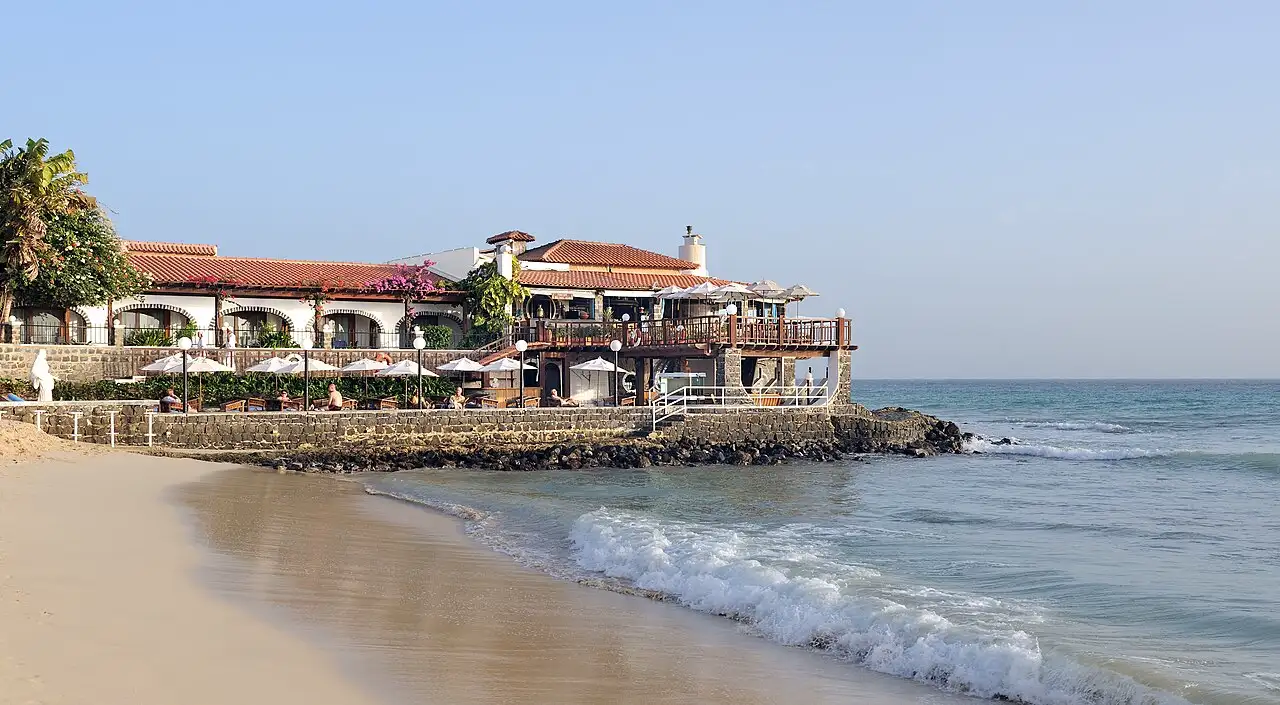
Espargos is the largest settlement and the municipal seat, and it sits close to the airport. It is a working town rather than a resort, so it suits a look at everyday island life while Santa Maria stays your holiday base. The two are linked by the main road across the island.
Salt, sharks and the Blue Eye
Three sights come up again and again in guides and tour listings, and they combine well into a single day out.
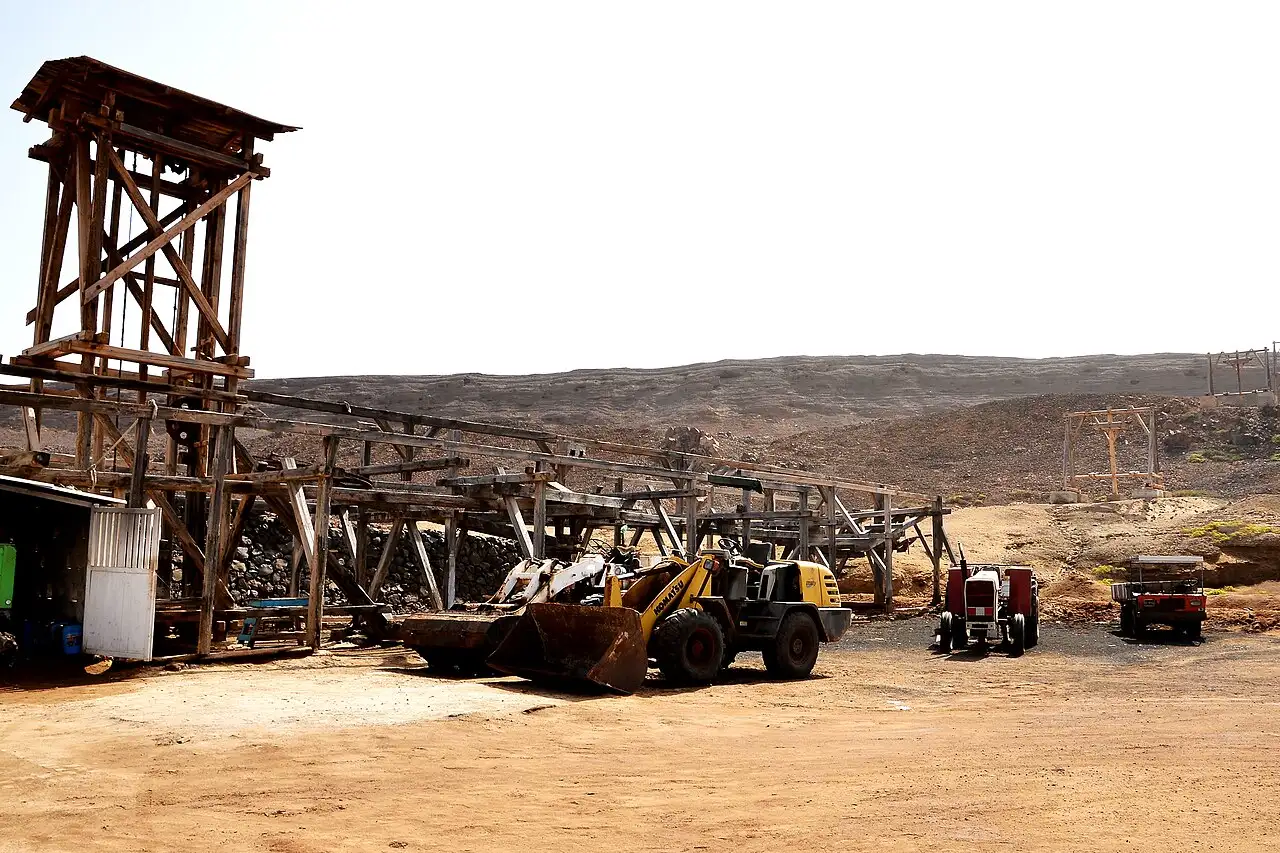
- Pedra de Lume salt flats. Salt marshes lie inside a volcanic crater, and salt production here began at the end of the 18th century. Visitors describe floating in the salt pools and seeing old extraction equipment. Entry is usually paid on site, so check the current fee locally.
- Buracona and the Blue Eye. A cave-like inlet connected to the ocean, where the water glows blue when sunlight reaches the sandy bottom. Travel blogs suggest visiting around midday for the best light, but conditions depend on the sea and the day.
- Shark Bay. Guided visits offer encounters with lemon sharks in shallow water. Operators are clear that sightings cannot be guaranteed, and water shoes are recommended.
Half-day and full-day guided tours that combine these stops are widely offered, often with hotel pickup. Compare itineraries and read the terms before you book, and ask the operator about safety and what to wear in the water.
Kitesurf, windsurf and the sea
Kitesurfing and windsurfing have grown in popularity on Sal for about 25 years, and the island is described as dominant in these sports within Cape Verde. According to Wikipedia, kiteboarding is possible year-round. If you are a beginner, ask local schools about lessons and about wind conditions for your travel dates rather than assuming.
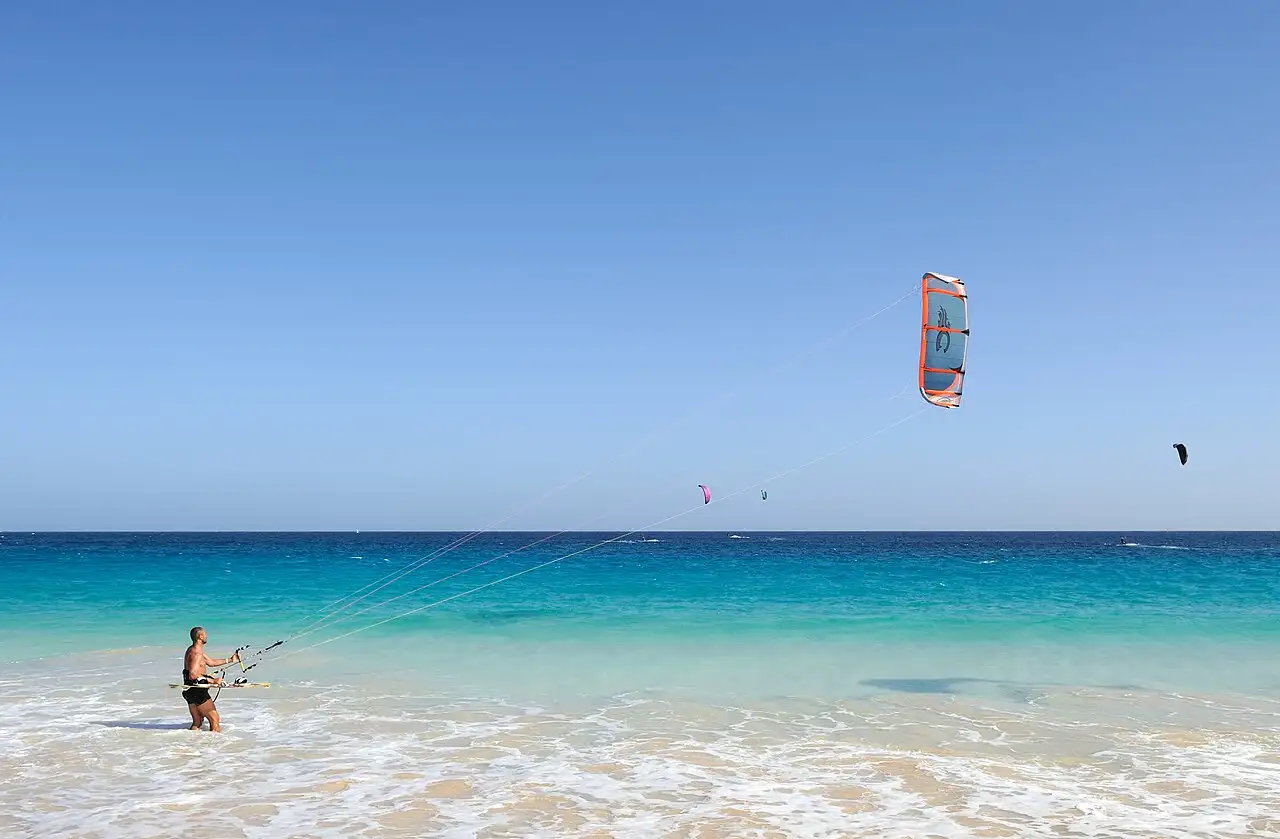
The sea is mild but not hot in the cooler months: around 22 degrees Celsius, rising to about 26 in September and October. That is comfortable for swimming and fine for most water sports.
Climate by month: when to go
The airport weather normals for 1991-2020 give a clear picture. Mean daily highs run from about 24.9 degrees Celsius in February, the coolest month, to about 30.1 in September. Mean daily lows range from about 18.8 in February to 24.8 in September. Humidity is around 69 percent in January and 77 percent in September.
- November to April: the cooler, drier part of the year, with highs in the mid-20s at the coolest point. This is the classic winter-sun window.
- July to mid-October: the rainy season, with September the wettest month at about 34.5 mm. Still warm, and even then rainfall totals are modest.
- Sea temperature: about 22 degrees Celsius in the cooler months and about 26 in September and October.
Skyscanner's analysis also points to November and January as often among the most affordable months to fly to Sal, though fares change constantly, so check live prices.
Getting there and entry rules
The island's airport is Amilcar Cabral International Airport (IATA: SID), also known as Sal International Airport, about 2 km west-southwest of Espargos and on the road linking Espargos and Santa Maria. It is the busiest airport in Cape Verde, and most of its listed services are scheduled and seasonal flights from Europe. Which airlines fly from your city varies by season, so check the current schedule.
Entry rules have changed recently, so please check them yourself before booking. Secondary sources report that travellers need to register online on Cape Verde's official EASE portal (ease.gov.cv) before arrival and pay an airport security fee, and that visa-on-arrival was ended for nationals of a list of countries from 1 January 2026. We could not confirm from official text whether your nationality is affected. Check the EASE portal and the nearest Cape Verdean embassy or consulate, and make sure your passport validity meets the current requirement.
Where to stay and plan your stay
For a first trip, most people choose Santa Maria for its beach and visitor focus. If you prefer a working town close to the airport, Espargos is the other option. Since the island is small, you can base yourself in one place and do day trips by tour or taxi.
You can browse stays on goaway.pt to compare options on Sal, and we will keep expanding what is available. If you do not see what you are looking for yet, the portal search is the place to check for new listings. Keep a flexible plan: one beach day, one island tour day for the salt flats, the Blue Eye and Shark Bay, and one day for the wind and water sports that put Sal on the map.
Finally, remember that tour details, entry fees and flight schedules change. Confirm them with official sources and operators before you go, and you will have a simple, sunny winter break on one of Cape Verde's most talked-about islands. When you are ready to compare places to stay, browse stays on goaway.pt again at any time.