Tirana City Break Guide: What to See, Eat and Do
25 Oct 2026
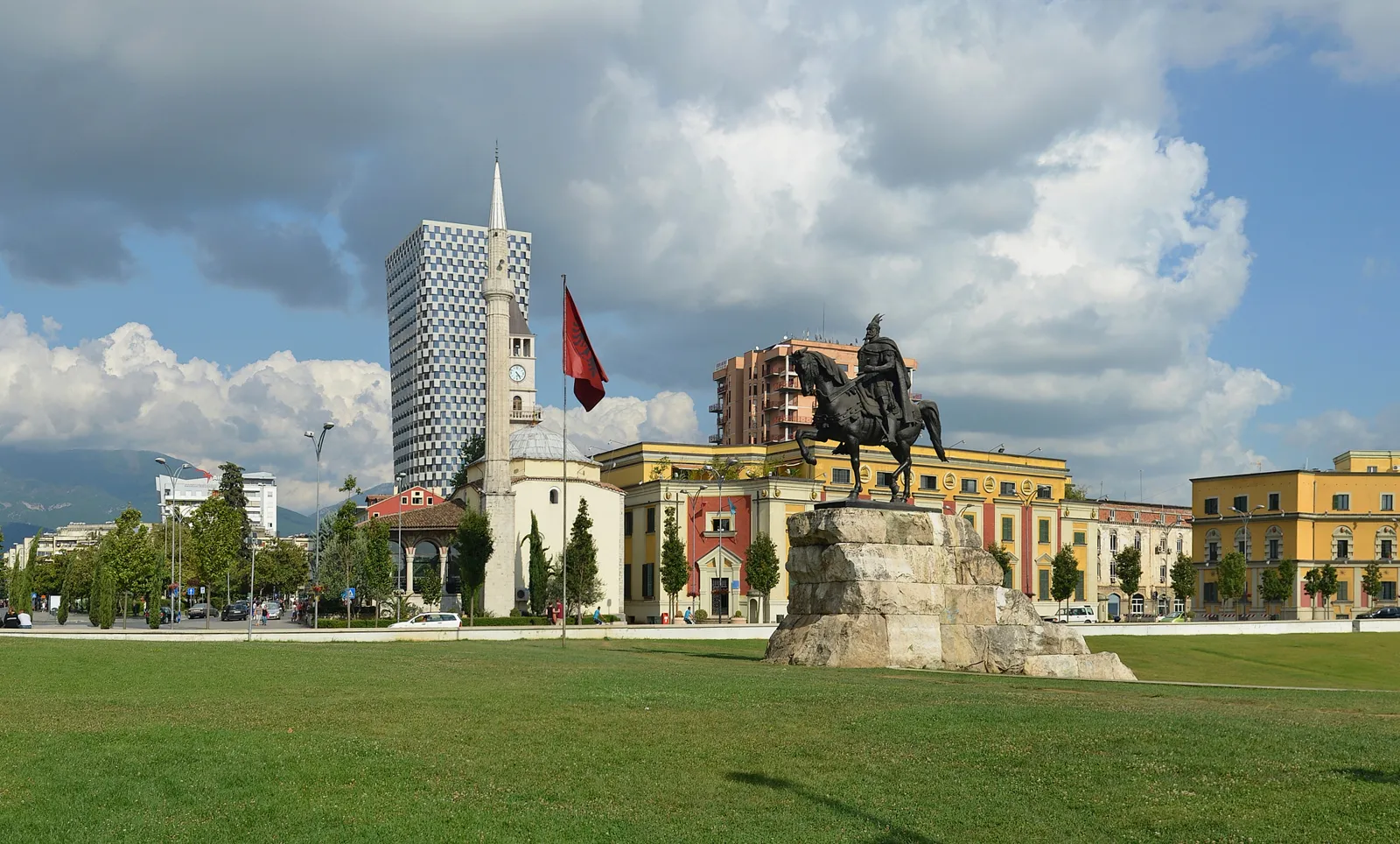
Tirana has gone from overlooked to talked-about. Skyscanner's Travel Trends 2027 report lists the Albanian capital among the destinations with the strongest growth in flight searches, and it is easy to see why: a compact, walkable centre, colourful buildings, mountains on the skyline and a food scene built on honest, local cooking. If you are planning a city break for 2026-27, this guide covers what to see, what to eat, where to stay and when to go.
Why Tirana, and why now
The city is relatively young by European standards. It was founded in 1614 by Sulejman Pasha Bargjini around the Old Mosque and became Albania's permanent capital on 31 December 1925. The 20th century left a layered cityscape: Ottoman-era religious buildings, Italian-style administrative blocks and communist-era monuments, all within a short walk of each other. In 2022 Tirana was European Youth Capital, a sign of how much energy the city has built up.
It is also a manageable size. The municipality had just under 600,000 inhabitants at the 2011 census, so you can see the highlights in a long weekend without feeling rushed. Many visitors arrive at Tirana International Airport Nënë Tereza, Albania's main air gateway, which handled more than 3.3 million passengers in 2019. Check current routes with your airline, as connections change from season to season.
What to see in Tirana
Start in Skanderbeg Square, the central square, where the equestrian statue of Albania's national hero stands and where several of the city's key buildings gather. From there, the following are all worth your time:
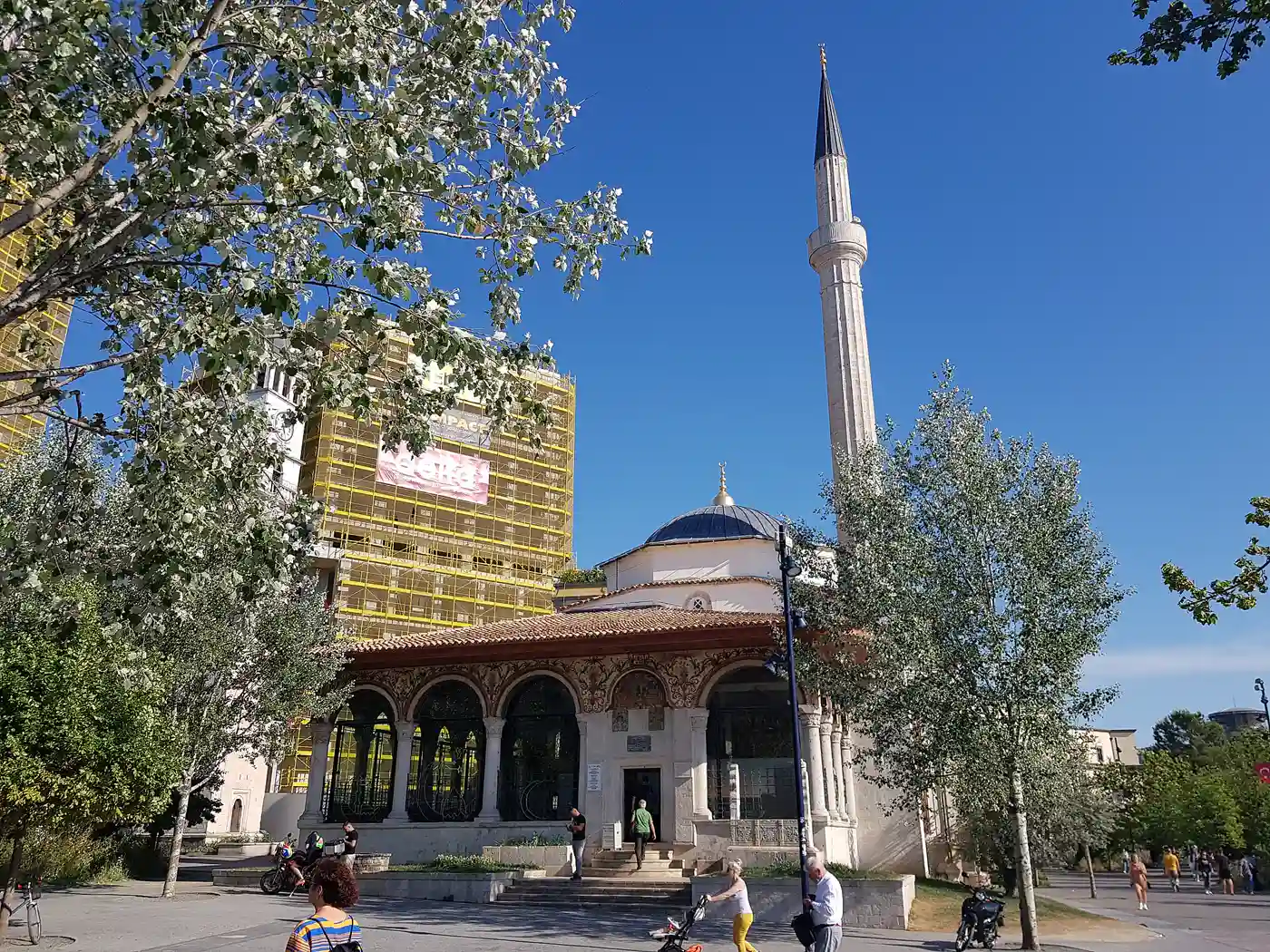
- Et'hem Bey Mosque, completed in 1821 by Etëhem Bey Mollaj, right beside the square.
- The Clock Tower (Kulla e Sahatit), one of the city's best-known landmarks.
- The National History Museum, for an overview of the country's long story.
- The Resurrection Orthodox Cathedral, a modern landmark of the city's religious diversity.
- The Pyramid of Tirana, a building constructed after Enver Hoxha's death and now one of the most photographed shapes in town.
- The Grand Park, centred on an artificial lake built in 1955, a green escape for a slow afternoon.
Then wander into Blloku, the district most associated with Tirana's modern, social side, where cafés, restaurants and bars fill the streets. Opening hours and entry rules change, so check each venue's official page before you go.
What to eat and drink
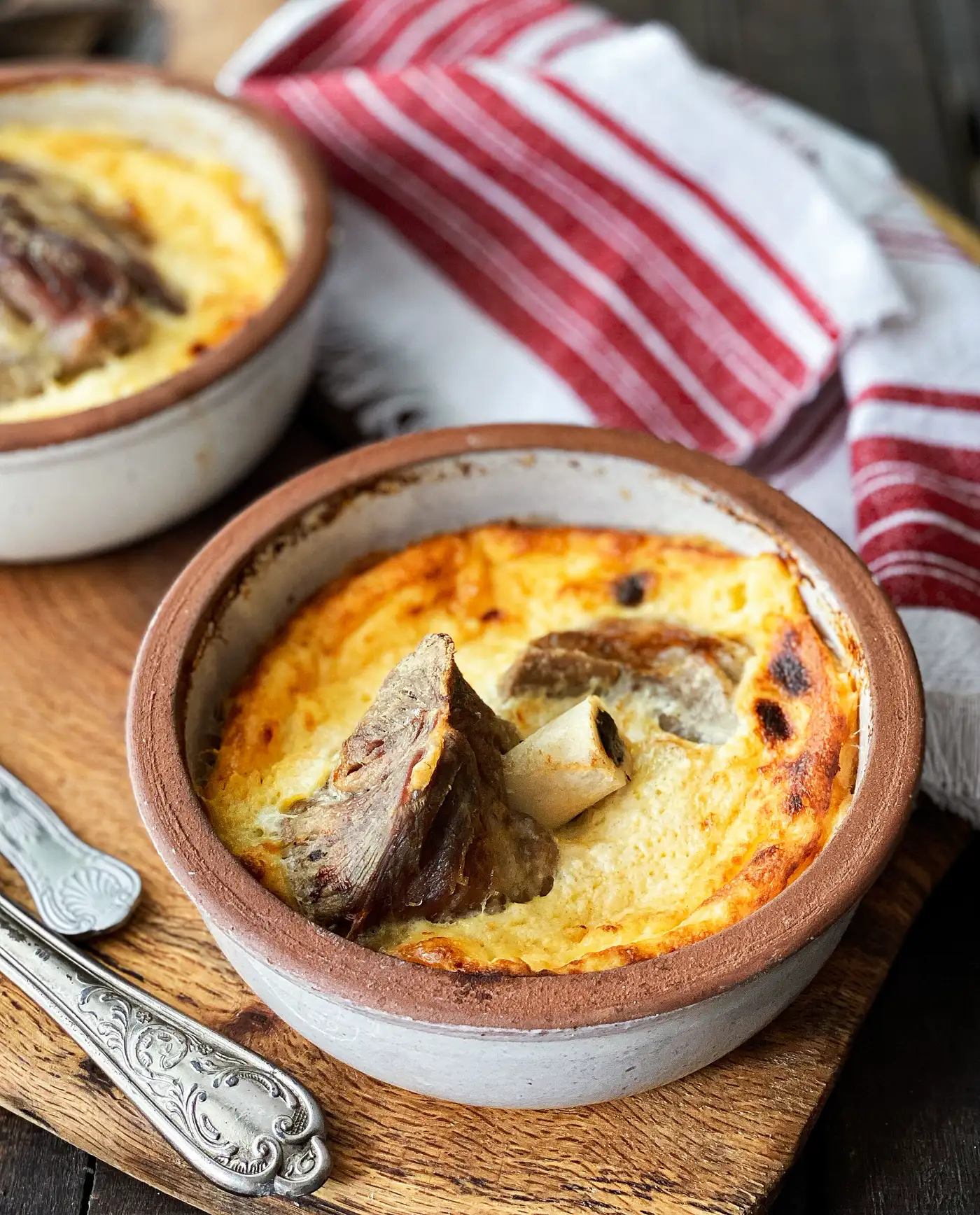
Albanian food is a pleasant surprise for first-timers. Look for tavë kosi, a baked dish of lamb and rice under a yogurt sauce that is considered a national dish. Fërgesë, made with peppers, tomatoes, onions and gjizë (Albanian curd cheese), is described as Tirana's signature dish. Byrek, the savoury pie that dates back to the Ottoman period, makes an easy breakfast or snack, and qofte are fried meatballs usually cooked in tomato sauce with vegetables or beans.
For something sweet, try baklava, layered with hazelnuts or walnuts and soaked in syrup. To drink, raki, the national spirit, comes in grape, plum or blackberry versions. Take it slowly.
Day trips from the capital
Tirana is the hub of Albania's road network, which makes day trips simple to plan.
Dajti National Park lies just east of the city. Maja e Dajtit, the highest peak of Mount Dajti, reaches 1,613 metres, and the mountain often carries snow in winter when the city does not.
Krujë is about 20 km north of Tirana, at roughly 600 metres above sea level. Its castle crowns the town's highest point; Skanderbeg recaptured Krujë in 1443 and defended it against three Ottoman sieges until his death in 1468. Inside the castle's surroundings you will find the Skanderbeg Museum, founded in 1982, and the national ethnographic museum occupies a villa built in 1764 for the Toptani family.
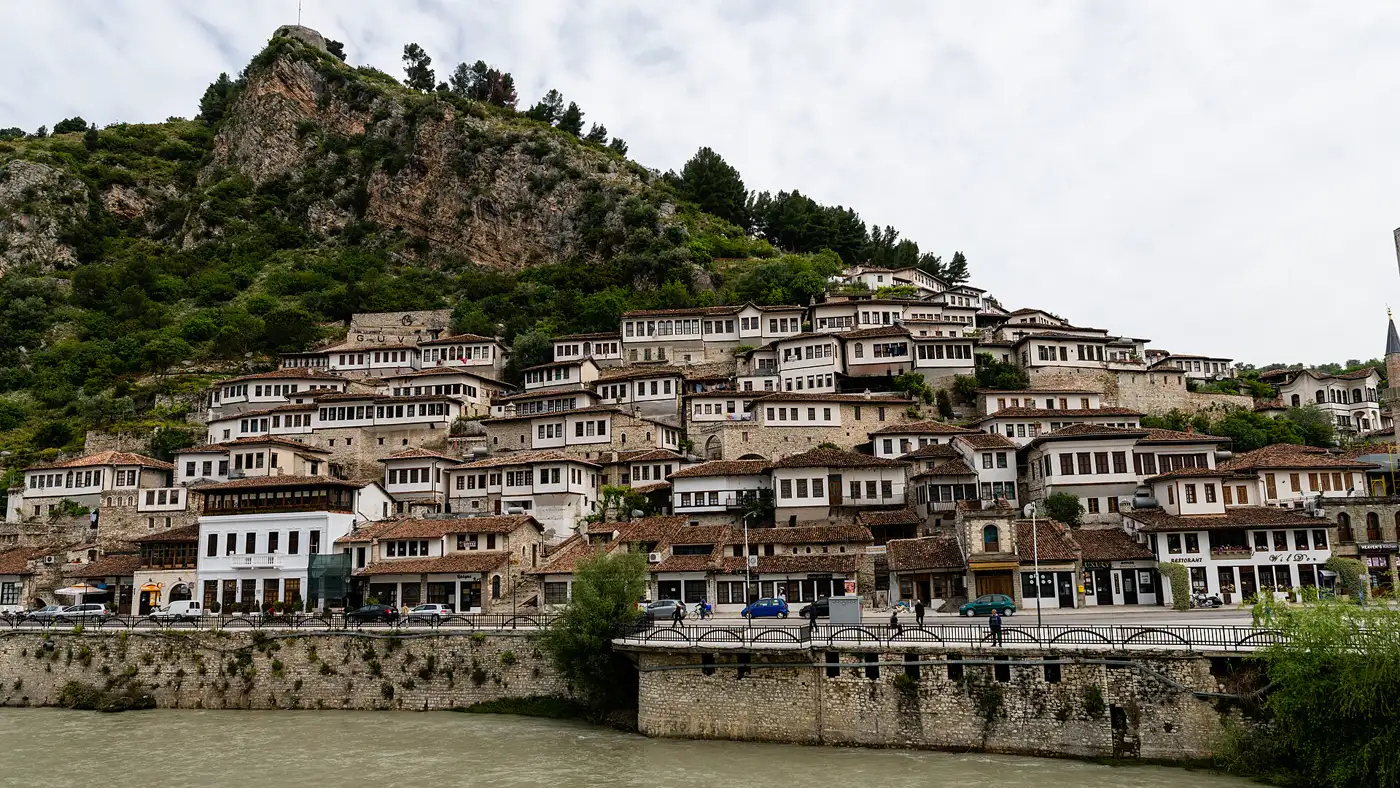
Berat, about 70 km south of Tirana in a straight line, belongs to the UNESCO World Heritage Site "Historic Centres of Berat and Gjirokastra". It is nicknamed the "Town of One Window Above the Other" for its many large windows, and it is also called the "City of Two Thousand Steps". Because road distance is longer than the straight line, allow a full day and check current transport options.
Other options include Durrës on the coast, reached by the SH2 road, and Shkodër to the north via SH1, which also leads towards Montenegro. If you are tempted to combine two trending cities, Podgorica is on the same Skyscanner list.
When to go
Tirana has a humid subtropical climate with about 2,500 hours of sunshine a year. Most of the rain falls from November to March, and snow in the city is rare, though the mountains nearby often have it. January averages around 6.7 °C. From May to September temperatures often pass 20 °C, with July averaging about 24 °C, and June to September is the drier stretch.
That makes late spring and early autumn comfortable for walking, while winter suits travellers who prefer quieter streets and do not mind packing a rain jacket. Check the city's official tourism channels for any festive or seasonal events in 2026-27 before you book around them.
Where to stay in Tirana
For a first visit, the central area around Skanderbeg Square puts the main sights on your doorstep. Blloku suits those who want cafés and evening life nearby, while areas near the Grand Park are calmer. Distances in Tirana are short, so any central base works well.
On goaway.pt, our Tirana city page lists the accommodation available. Options include Edisem Hotel, Voko by Uka Boutique Hotel and ENeR Studios. Compare locations and availability on each page before you decide.
Plan your stay
Three days is a comfortable length: one for Skanderbeg Square and the central sights, one for Blloku, the Grand Park and the food, and one for a day trip to Krujë or Dajti. Add a fourth or fifth day if you want to reach Berat without rushing. Book early if you are travelling in the warmer months, confirm opening hours and entry details on official sites, and leave room for long, slow meals. Tirana rewards curiosity more than a strict schedule.