Vigo at Christmas: Lights, Markets and Winter Things to Do
25 Oct 2026
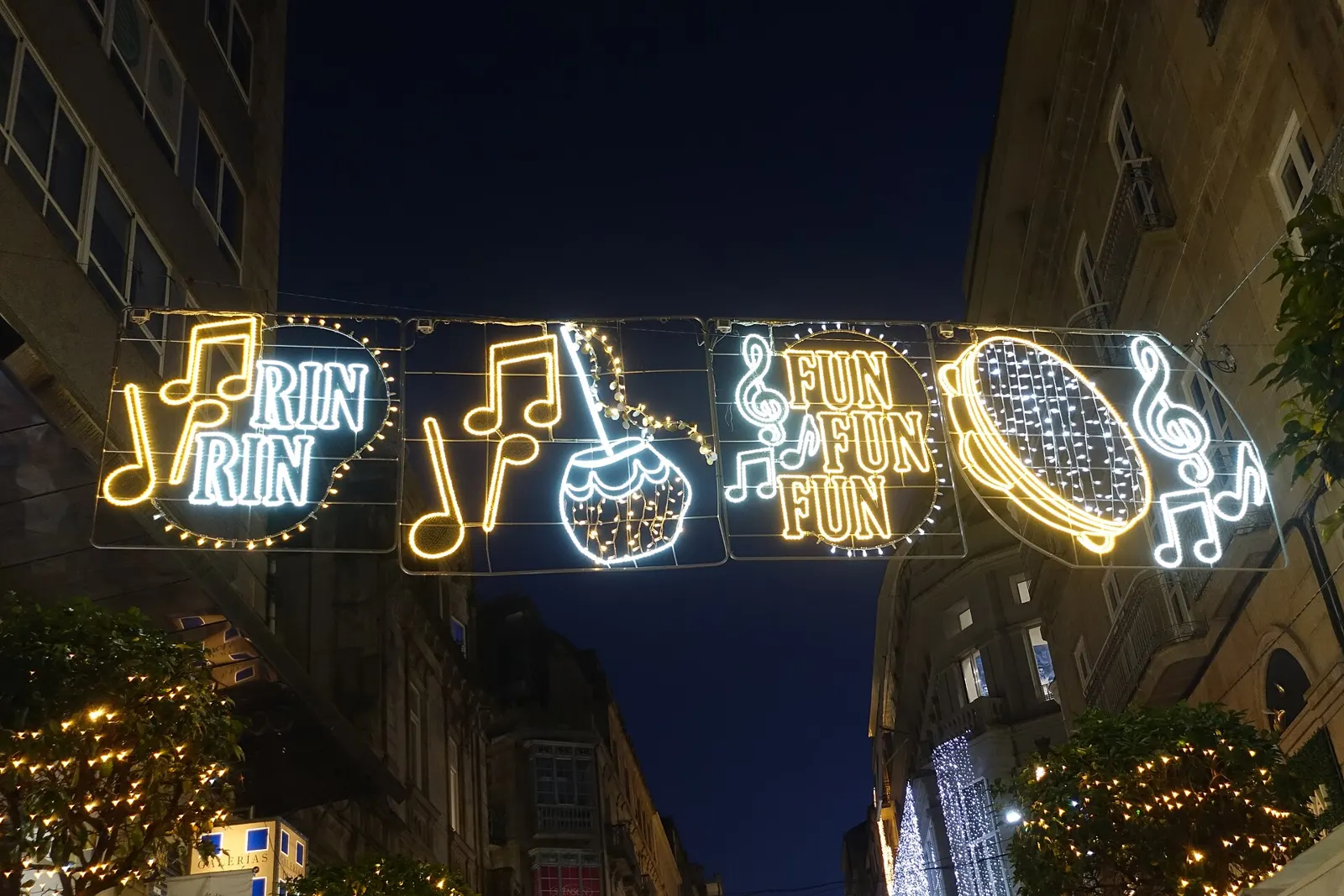
Every winter, Vigo, the biggest city in Galicia, turns into one of the most talked-about Christmas destinations in Spain. The reason is simple: its municipal Christmas lighting is famously lavish, and the city treats it as a flagship event. For travellers in Portugal, it is also close: the border is not far from Porto, so a December weekend in Vigo is a realistic idea.
A word on dates before we start. Everything event-related below is based on the previous edition and on press reports from this year. Programmes change, so check the official Vigo tourism website and the city council for the confirmed 2026-27 calendar before you book anything.
The Christmas lights: why Vigo is famous
The lights are the main attraction. Reports from July 2026 said that installation of the 2026-27 decoration had started unusually early, and that the city planned to light around 500 streets with some 12 million LED lights and more than 7,000 ornamental elements, including arches and decorated trees. The mayor promised "big surprises" but, at that point, had not announced the switch-on date. Treat those numbers as the city's own announcements rather than guarantees.
The symbol of the season is the giant tree in the Porta do Sol square. In the 2025-26 edition it was described as 25 metres tall, topped with a 9.5-metre star and 100,000 LEDs. The city has said this year's tree would be taller again, but the final figure was not published when we checked.
Event listings give provisional dates of roughly 21 November 2026 to 10 January 2027, with the lights normally switched on in a public ceremony at Porta do Sol. Those dates may change, so confirm them. In past years the lights have burned from early evening until late at night, longer on weekends and holidays. Go after dark, walk slowly and look up: much of the decoration hangs over the streets.
Markets and Christmas attractions
Vigo does not have a single traditional Central European-style market. In the last edition, listings mentioned several free Christmas markets in different parts of the city, including Praza da Constitución, Calvario, Bouzas and the Vialia area. Expect crafts, gifts and seasonal food, but check which ones return this year.
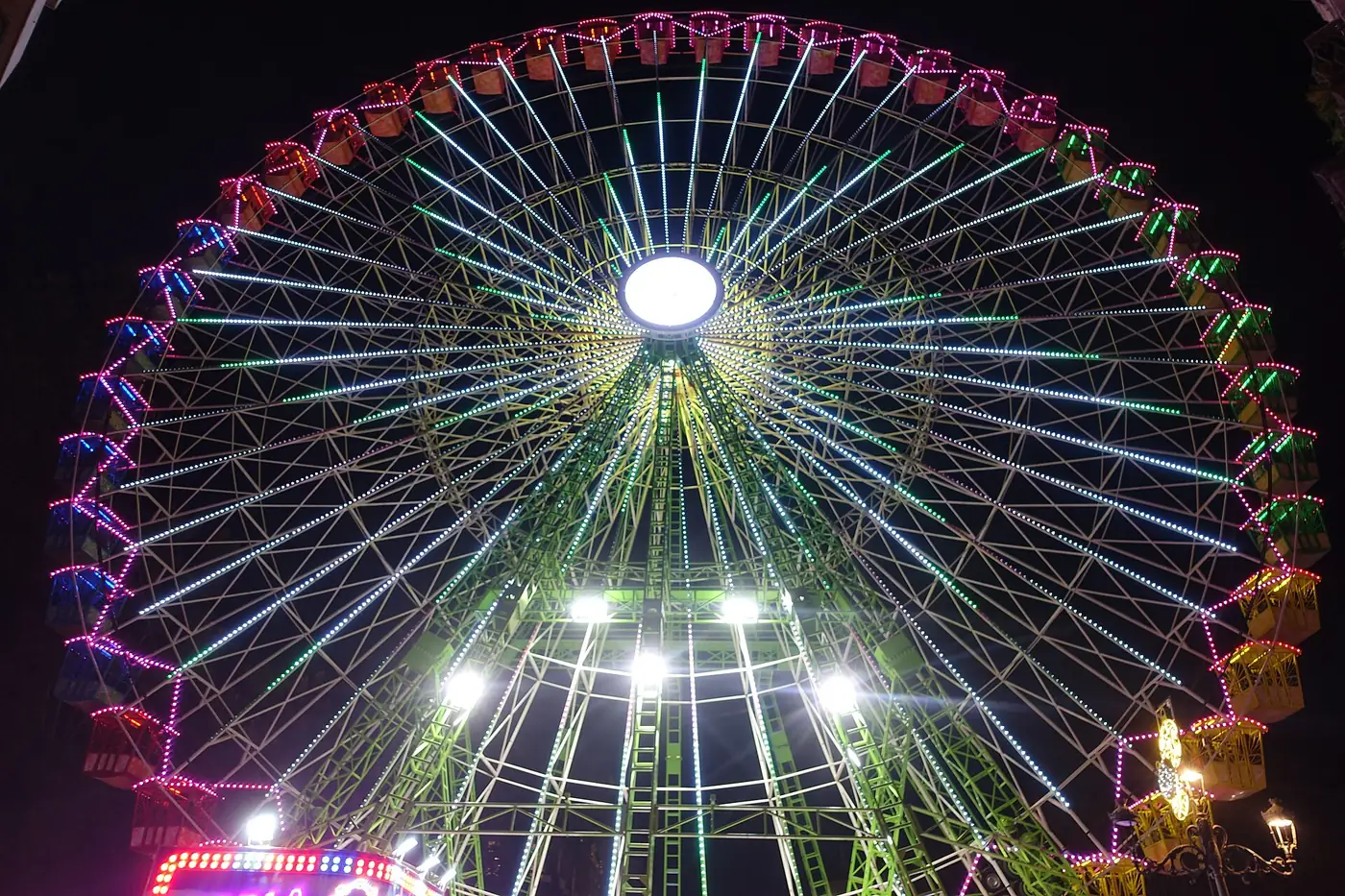
Other attractions listed for the last edition were:
- a giant Ferris wheel between Calle Colón and Concepción Arenal, with views of the lit city (paid rides);
- an outdoor ice rink at Samil, plus a covered rink at Vialia (paid sessions);
- a monumental nativity scene (Belén) at the Casa das Artes, free to visit.
The city council and the tourism office promote these events, so the official channels are the place to confirm what returns in 2026.
Old town, Castro hill and the ría
Vigo is more than its lights. The historic centre is called the Casco Vello, and it is a good area to walk through in the daytime, with cafés, bars and small squares. Above it rises Monte do Castro, a hilltop park that keeps the remains of an ancient hill-fort (a castro) and a fortress. Travel guides rate it among the best viewpoints over the city and the Ría de Vigo, reached on foot paths that climb from the old town. On a clear winter afternoon it is a good way to watch the light change over the water.
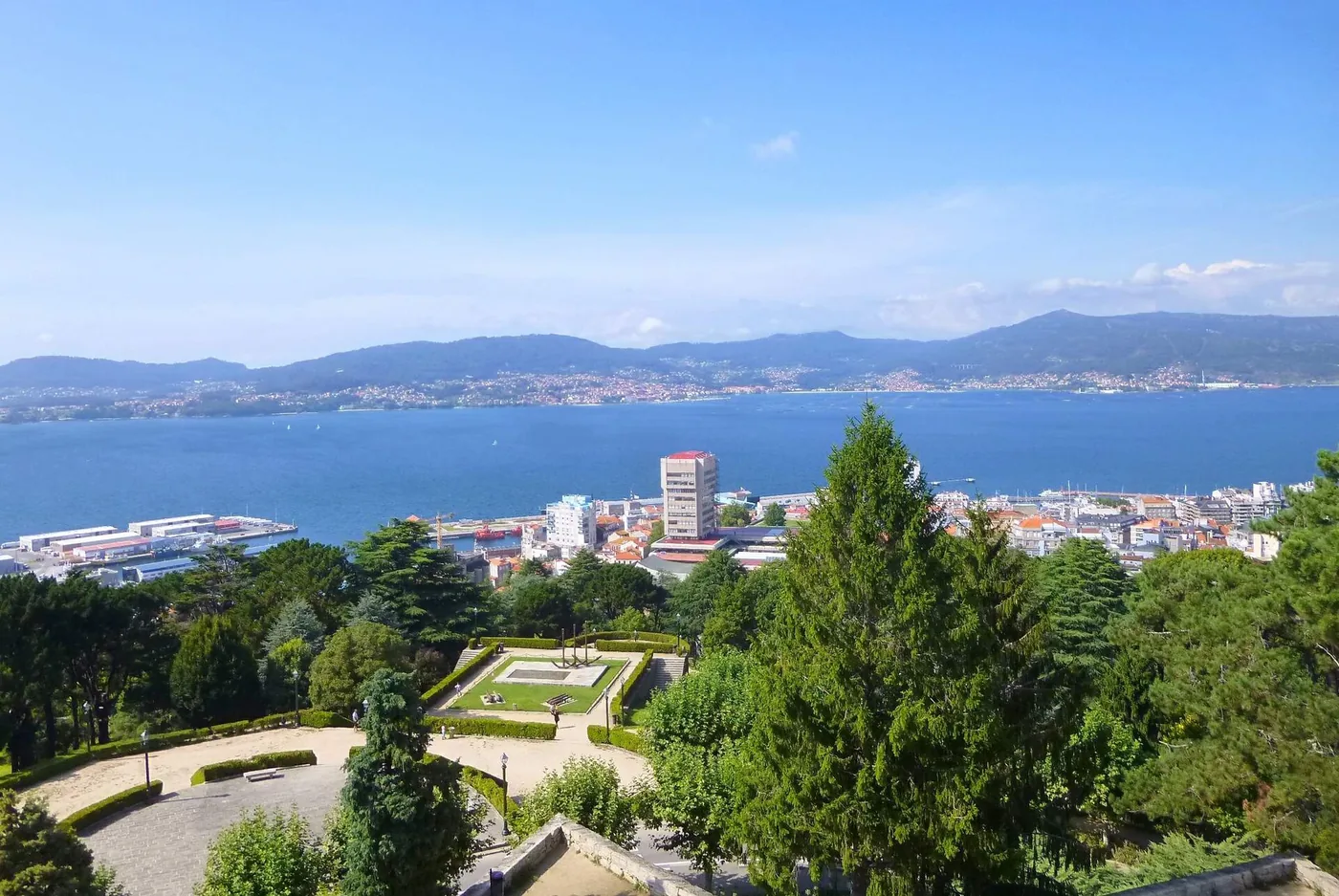
Vigo is also a major fishing and cargo port, which explains why the seafood is so good. The port stretches along more than 20 kilometres of coast, and the ría is the backdrop to almost every view.
Oysters and seafood
Seafood is a reason to visit in itself. Near the old market area, a pedestrian street known for oyster sellers is a classic stop; guides call it the Rúa da Pedra or the "oyster street" (names for it vary between sources). Stalls open oysters on the spot and nearby restaurants serve fresh fish and shellfish. Guides suggest going around lunchtime, as the oyster stalls tend to be busiest from late morning to mid-afternoon, but opening hours vary, so ask locally.
What about the Cíes Islands?
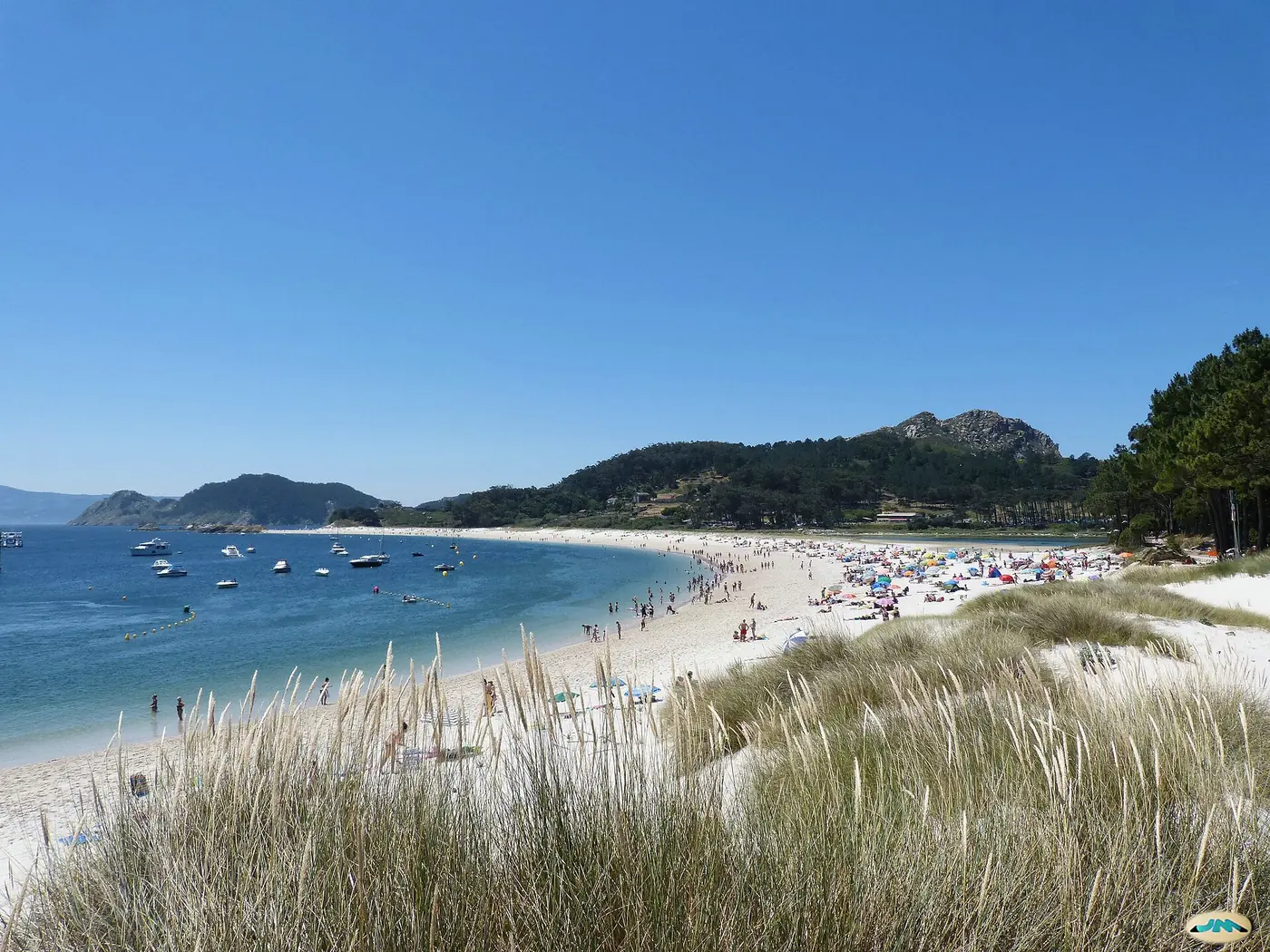
The Cíes Islands belong to Vigo's municipality and are part of the Atlantic Islands of Galicia National Park. They are reached by boat from the port. We could not verify whether regular crossings run in winter, so if they are on your wishlist, check the ferry operators and the national park's official information before planning around them. For a Christmas trip, treat them as a bonus, not the plan.
Getting there from Portugal
The Celta train links Porto and Vigo, with two services per day in each direction according to CP. However, because of ADIF works in Spain, between 6 April 2026 and 7 April 2027 the Celta runs with a road transfer between Valença and Vigo-Guixar, with no intermediate stops. CP says the timetables are kept, but arrival times can vary with traffic. The replacement service cannot take wheelchairs, bicycles (unless folded and packed to size limits) or pets. Check CP's website for the current timetable and fares before you go.
Coach services also exist on the Porto-Vigo corridor, but we did not confirm operators, times or durations, so compare current options yourself. If you drive, the border is a short hop from northern Portugal, but allow extra time on December weekends.
Where to stay and plan your stay
For a first visit, staying around the centre and the Casco Vello puts you within walking distance of the lights, the markets and the seafood streets, and the Porta do Sol is the heart of the celebrations. Areas further out can be quieter but need more transport; during the festive period the centre is busy, so book early. You can browse stays on goaway.pt to compare options by area and dates; we are not recommending any specific property here.
A simple plan: arrive in the afternoon, climb Monte do Castro for the view at dusk, then walk down through the old town to Porta do Sol once the lights are on. Spend the next day on seafood, markets and the waterfront. Confirm dates, train arrangements and event details on official sites first, then search stays on goaway.pt and choose what suits your trip.