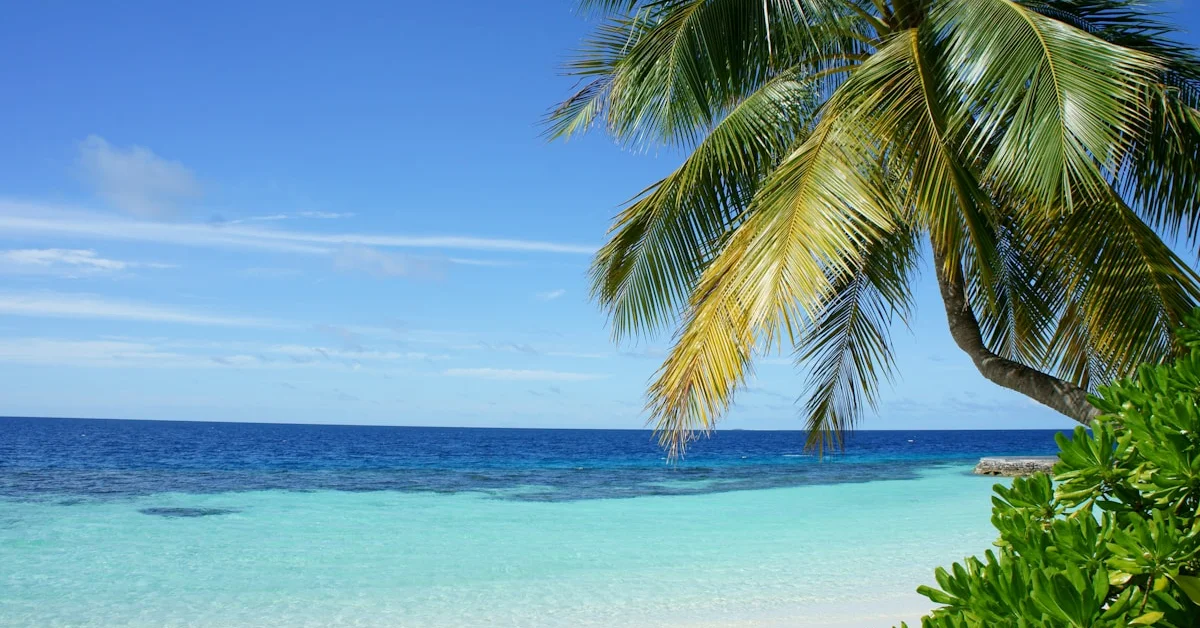
Best Beaches in Madeira | Portugal Beach Guide
Madeira: Portugal's Atlantic Island of Cliffs, Flowers, and Natural Pools
Madeira is a volcanic island 1,000 kilometres off the Portuguese coast in the Atlantic Ocean, its dramatic landscape shaped by ancient lava flows that created towering basalt cliffs, lush laurisilva forests (UNESCO World Heritage), and deep ravines carved by levada irrigation channels. The island has no natural sandy beaches — the coastline is almost entirely volcanic rock and dramatic sea cliffs — but has compensated with some of Europe's finest natural seawater rock pools (piscinas naturais), particularly at Porto Moniz and Seixal. The warm Gulf Stream keeps temperatures constant between 18–25°C year-round, making Madeira the Atlantic's "Island of Eternal Spring." The island's dramatic western landscapes, dense forests, and levada walking trails make it Europe's most compelling year-round active holiday destination.

Top Beaches and Swimming Spots in Madeira
Porto Moniz Natural Pools
At the northwestern tip of Madeira, Porto Moniz has a series of natural rock pools formed when ancient lava cooled into the sea, creating protected lagoons that are refilled by Atlantic waves but sheltered from dangerous surf. The main public pools (free) and the adjacent paid complex (with changing facilities and a café) offer the most atmospheric swimming in Madeira — surrounded by volcanic rock, with the open ocean crashing over the outer walls. Best at high tide when the pools are deepest and most refreshing.
Seixal Natural Pool
A smaller and less visited version of Porto Moniz, the Seixal natural pool in the north coast village is set against the backdrop of a spectacular sea cliff waterfall that drops directly into the Atlantic. The pool is free, wild, and genuinely dramatic — swimming here with a waterfall to one side and the open ocean on the other is uniquely Madeiran. The nearby black-sand beach at Seixal is one of the few beaches on Madeira's north coast.
Prainha Beach (Caniçal)
Madeira's only natural black sand beach, Prainha is a 60-metre cove at the eastern tip of the island near Caniçal, sheltered by basalt cliffs. The sand is dark volcanic and the water is deep and clear. The beach is relatively small and gets crowded in summer but remains Madeira's most authentic beach experience. Nearby Ponta de São Lourenço is a wild limestone peninsula with outstanding walking trails and fossil beaches.
Lido Complex (Funchal)
The Lido in Funchal is a large seawater pool complex beside the ocean in the city's hotel zone — the most convenient swimming facility for visitors staying in the capital. The complex has multiple pools, sunbathing terraces, a children's pool, and a restaurant, all with dramatic views of the Funchal bay. The Promenade de Lido connects the Lido complex to the Doca do Cavacas restaurant and natural pools to the west — an excellent 3-km coastal walk.
Best Time to Visit Madeira
Madeira is genuinely a year-round destination, but April–June and September–October are the best months for a combination of hiking, swimming, and cultural exploration. Winter (December–March) brings the famous Funchal New Year's Eve fireworks (world record holder) and Carnival, with mild temperatures (16–20°C). Summer (July–August) is warm (23–26°C) and the most popular time for the pools, but Madeira never gets the extreme heat of mainland Portugal. The north coast is cloudier and more dramatic; the south coast (Funchal) is sunnier.
Getting There and Where to Stay
Madeira Airport (FNC), in the east of the island, has direct flights from Lisbon (1.5 hrs) and most European capitals. The airport's runway famously extends over the sea on concrete pillars. Browse hotels in Madeira and discover more beaches in Portugal to complete your Atlantic island planning.
Browse by Beach Type
Where to Stay
See all hotels →
6/4 de Lamego

Alfagar Village

Alojamento das Caldas
