Halloween and All Saints in Portugal: Traditions, Legends and a Long Weekend
25 Oct 2026
Halloween is a latecomer in Portugal, but the days around it are anything but empty. Between 31 October and 2 November the country moves from costume parties to All Saints' Day, a public holiday, and then to the quiet remembrance of the dead. Add a capital full of earthquake ruins and a hillside town of strange gardens, and you have one of Europe's more atmospheric autumn weekends.
All Saints and All Souls: the real calendar
1 November is Dia de Todos os Santos (All Saints' Day), and it is a public holiday in Portugal. Wikipedia's list of Portuguese public holidays shows it as observed in continental Portugal, Madeira and the Azores. In 2026 it falls on a Sunday, so do not count on an extra day off: check the official government calendar if the date matters for your plans.
2 November is Dia dos Fiéis Defuntos, also called Dia de Finados: the day of prayer and remembrance for the faithful departed. It is the third day of the Western Christian Allhallowtide, after All Saints and All Hallows' Eve. The sources we checked do not list it among the national public holidays, so expect normal opening hours in most places, but also expect families visiting cemeteries with flowers. If you go to a cemetery on these days, treat it as a place of mourning first and a sight second.
Pão-por-Deus: Portugal's own trick-or-treat
The oldest local custom is Pão-por-Deus ("bread for God's sake"). Children go from door to door, often in small groups and sometimes with adults, asking for treats. In Portugal it is tied to 1 November, though in some places, Coimbra among them, it was held from 31 October to 2 November at nightfall. The participants were traditionally seen as representing the souls of the dead.
What children receive has changed. Traditionally it was bread, broas, cakes, pomegranates and dried fruit and nuts, and sometimes small cakes made with flour, fennel, honey and dried fruit. Today it can also be money, sweets or chocolate. The custom is recorded in central Portugal, Estremadura, Trás-os-Montes (where it is called "pão das almas"), the Azores and Coimbra, and it has roots in the old habit of leaving bread and cakes for the dead at graves. The term already appears in 15th-century documents. It is a living custom in some places and a memory in others, so do not expect to see it everywhere. Bakeries and pastry shops sometimes sell seasonal treats; ask what is typical locally.
Halloween events: what exists and how to find it
Halloween in the modern sense, with costumes, parties and pumpkins, is a growing celebration in Portugal and is often blended with Pão-por-Deus. Portuguese media and listing sites such as Time Out Portugal and Idealista regularly publish guides to events around 31 October. Past listings have included club parties, family programmes at venues such as the Oceanário de Lisboa, dark walking tours, immersive dinners, a boat party on the Douro in Porto and weekend programmes at Casa do Fauno in Sintra.
The village of Montalegre, in the north, is described by Portuguese media as hosting one of the country's most traditional "Noite das Bruxas" (Witches' Night) celebrations. Note the hedge: those are examples from past years, and we have not seen an official 2026 programme for any of them. Dates, tickets and even whether an event runs again must be confirmed on the organiser's own website or the municipality's tourism page before you plan around it.
Spooky Lisbon and Sintra: places with real history
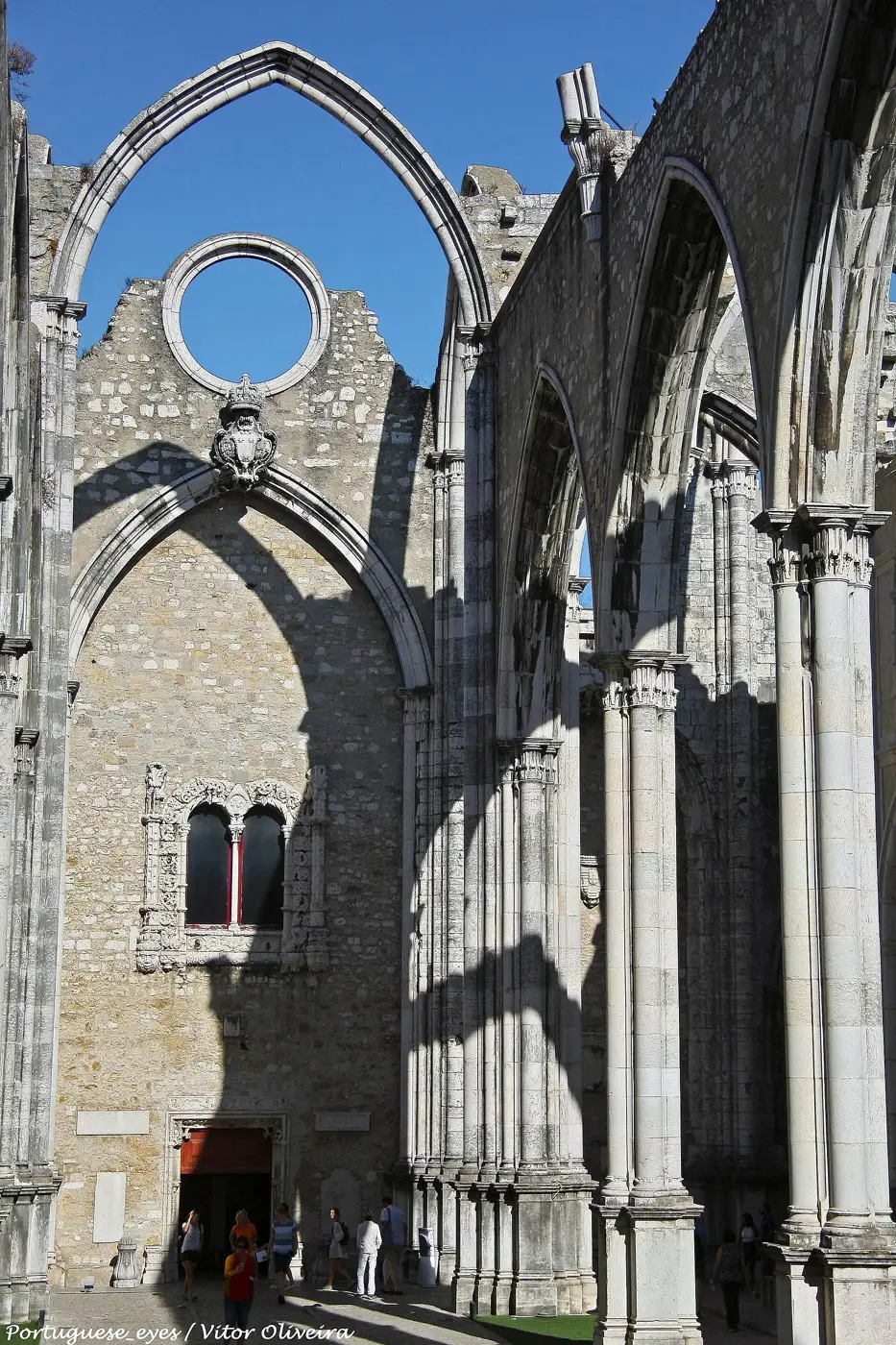
Stay with sights whose stories are documented. In Lisbon, the Convento do Carmo in Chiado is the ruin of a Gothic church whose stone roof collapsed in the 1755 earthquake and was never rebuilt; only the pointed arches survive between the pillars. The ruin now houses the Carmo Archaeological Museum, with tombs, architectural fragments and objects from many periods. Standing under an open sky where a nave should be is the most haunting hour you can spend in the city.
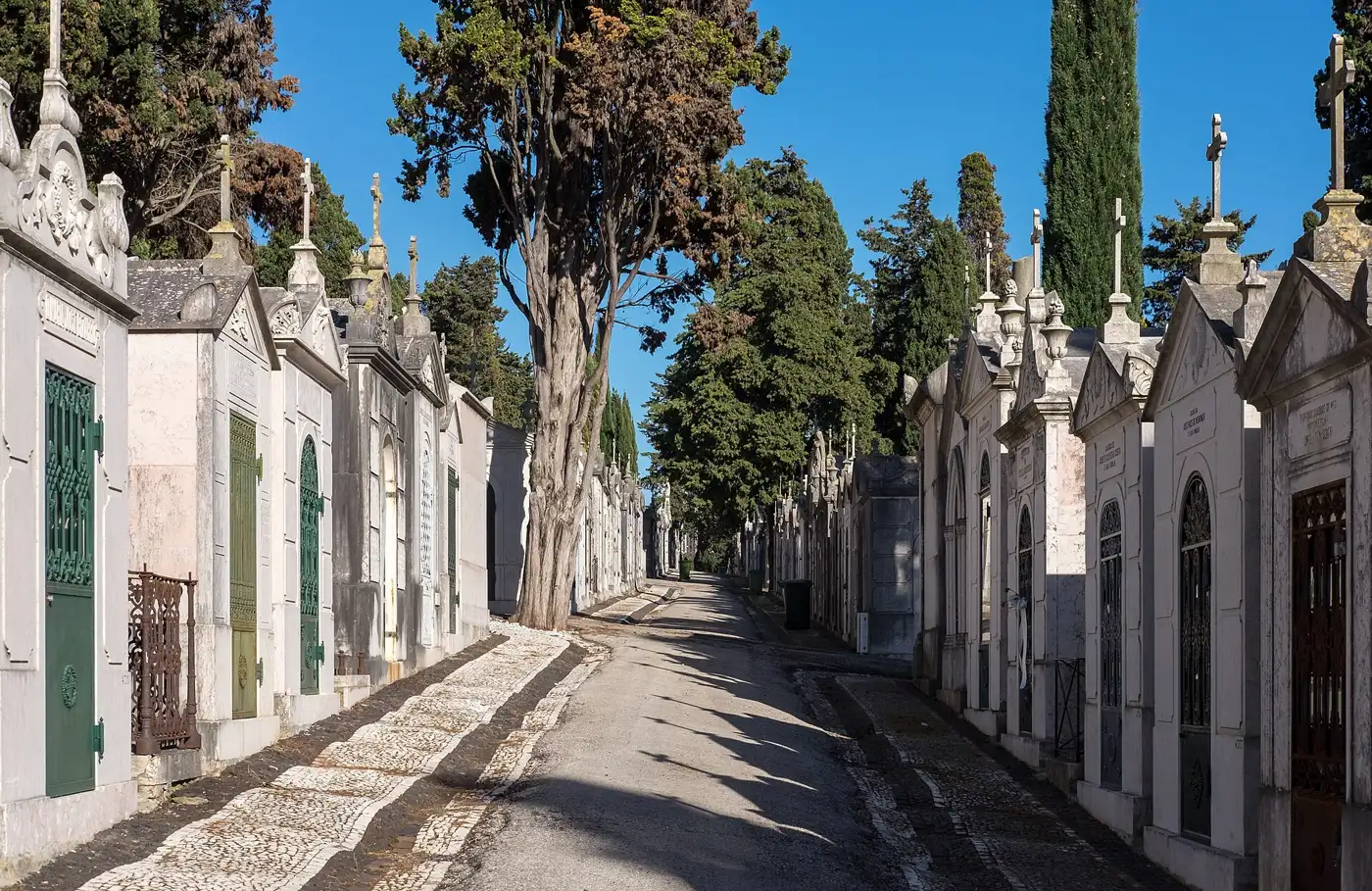
The Cemitério dos Prazeres, in the Estrela parish, opened in 1833 after a cholera outbreak and is made up exclusively of mausoleums over about 12 hectares. It holds the Mausoleum of the Dukes of Palmela, described as the largest mausoleum in Europe, and the graves of many writers, artists and politicians. It is a place to walk slowly, and on 1 and 2 November it will be busy with visiting families.
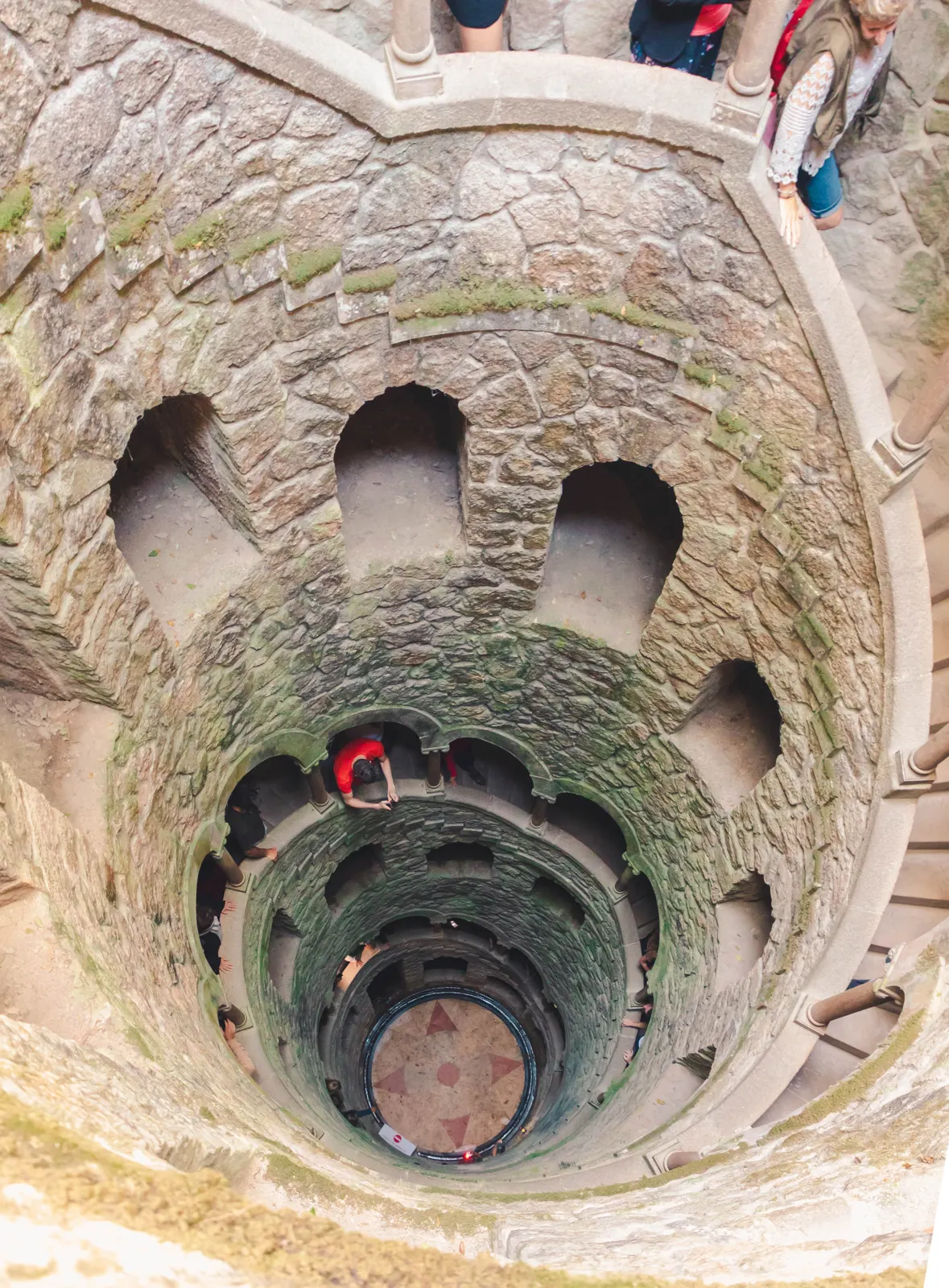
In Sintra, the Quinta da Regaleira, part of the UNESCO-listed Cultural Landscape of Sintra, was bought by António Augusto Carvalho Monteiro in 1892 and its palace was designed by Luigi Manini. Its two ceremonial shafts, among them the Initiation Well with a 27-metre spiral stair of nine flights, and a network of underground tunnels linking grottoes and the chapel crypt, are the reason visitors call it mysterious. Claims about alchemy, Freemasonry or the Templars are described as allegations, not established facts, so enjoy the atmosphere without taking the legends as history.
Practical tips and where to stay
- Check opening hours for every museum, palace and cemetery on 1 and 2 November before you go; holiday schedules can differ.
- Book Sintra sights and trains early in a busy weekend, and wear shoes for wet stone steps.
- Autumn weather can swing from sun to rain, so bring a light waterproof layer.
- Be respectful at cemeteries: no loud behaviour, and ask before photographing people.
- For Halloween parties, confirm age rules and tickets directly with the organiser.
For a base, Lisbon on goaway.pt lists accommodation across the city; the Baixa and Chiado area puts you within walking distance of the Carmo ruins, while quieter districts suit those heading out to Sintra. Options on goaway.pt include Hotel Nazareth, Patria Hotel and Hotel Capital, all in Lisbon. Compare locations and availability on the pages rather than assuming anything from the name.
A long weekend plan: 31 October to 2 November
Saturday 31 October. Morning in Chiado and at the Convento do Carmo. Afternoon wandering Lisbon's old streets. Evening: pick one Halloween event that you have verified, or simply find a restaurant and enjoy the atmosphere.
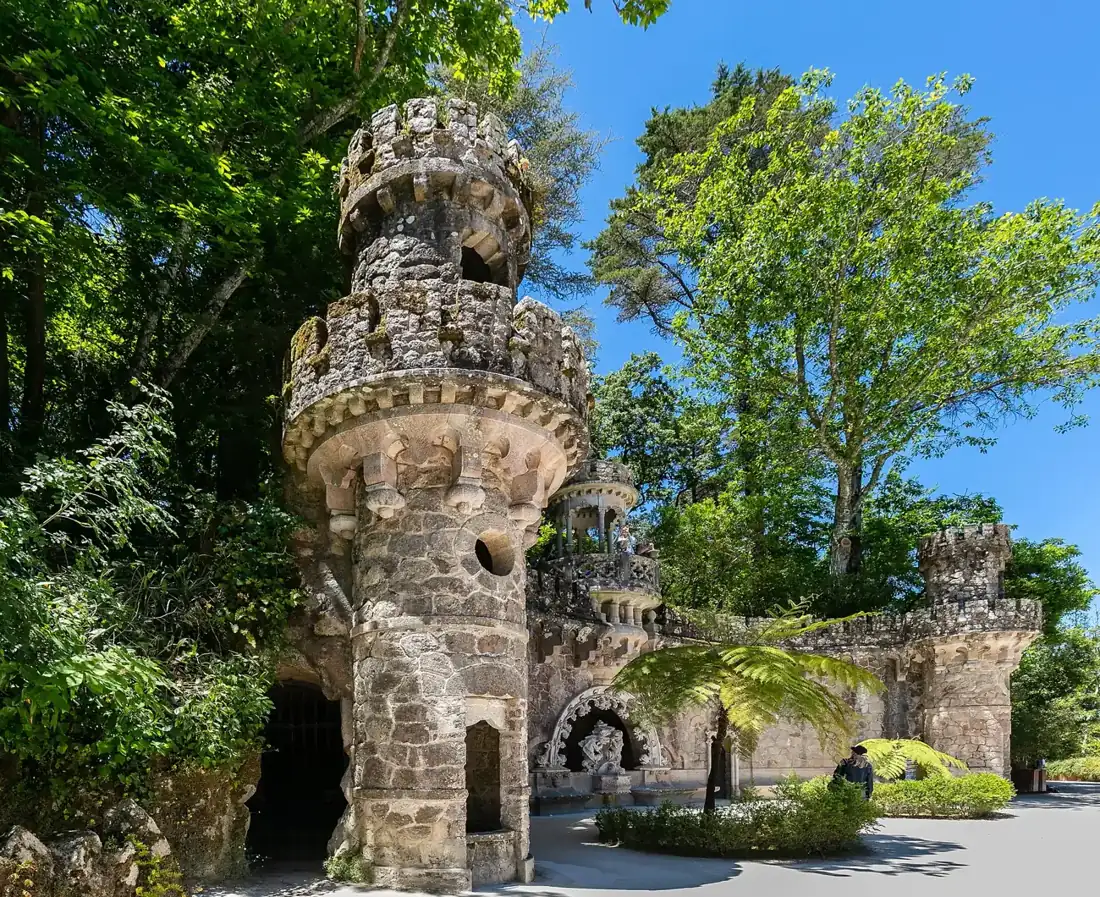
Sunday 1 November. Public holiday, so confirm what is open. A good day for Sintra and the Quinta da Regaleira, booked ahead, or a slow walk around the city. Look for Pão-por-Deus traditions where you are; do not count on them in a big city centre.
Monday 2 November. Dia dos Fiéis Defuntos. A respectful morning visit to the Cemitério dos Prazeres, then a late lunch and a last walk before travelling home.
This is a flexible outline, not a timetable. Weather, crowds and your own pace will decide how much fits, and every opening time, ticket and event mentioned above should be confirmed on its official page before you go.