Kyoto Without Crowds: How to Photograph Japan's Most Iconic Temples
02 Apr 2026
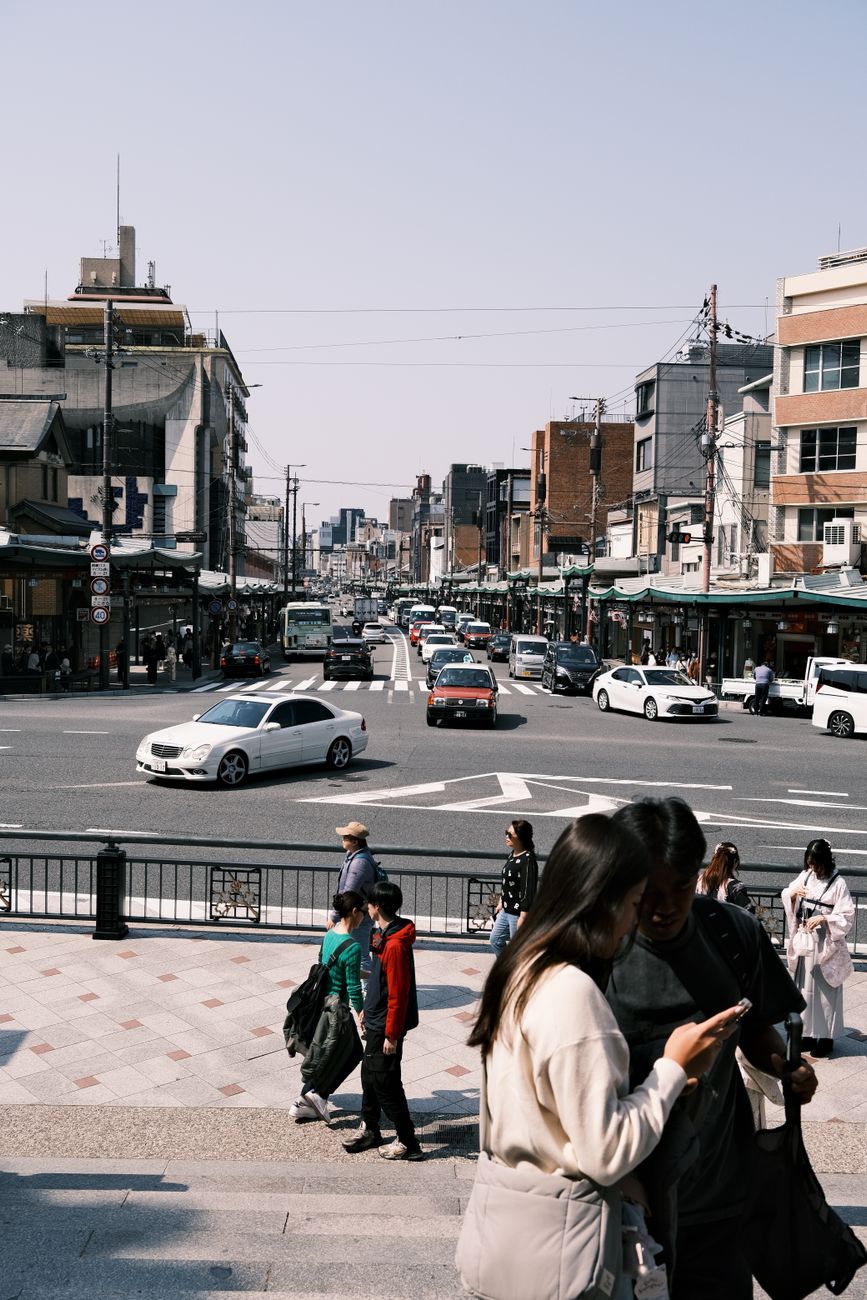
The Paradox of Kyoto
Kyoto is simultaneously one of the most beautiful and most photographed cities on Earth — and therein lies the paradox every visitor must reckon with. The images that draw millions of people each year were captured in moments of rare stillness that no longer exist at 10am on a Saturday in cherry blossom season. The vermillion gate photograph from Fushimi Inari, the empty bamboo grove — both were taken before sunrise, in off-season, often in drizzle.
The solution is not to avoid Kyoto. It is to understand its rhythms and exploit them deliberately. What follows is a practical guide to photographing Kyoto's most iconic sites at their most extraordinary — which is almost always either very early, very late, or in weather that keeps most people indoors.
Fushimi Inari Taisha: The Pre-Dawn Strategy
The thousands of vermillion torii gates snaking up the mountain behind Fushimi Inari Taisha are Kyoto's single most photographed subject — and the most challenging to shoot without crowds. The shrine is open 24 hours. The gates begin filling within an hour of dawn; by 8am in peak season, the lower sections are impenetrable.
The strategy: arrive at 5am. Bring a torch. The lower torii, illuminated by lanterns and the first grey light, create an atmosphere entirely absent at any other time of day. Walk the full circuit — a two-hour return hike to the upper mountain — before the crowds arrive below. The upper paths are quieter even at midday; at dawn, they are deserted.
The best single photograph at Fushimi Inari is taken not from the famous gate-lined paths but from the Yotsutsuji intersection, roughly halfway up the mountain — a view back down over Kyoto through a frame of torii. Arrive before 6am to have it to yourself.
Arashiyama Bamboo Grove: Light and Timing
The bamboo grove is a 200-metre stretch of path connecting the Tenryu-ji garden to the Okochi-Sanso villa. Its fame has made it one of the most congested places in Japan. The path is narrow, the bamboo is tall, and the light is extraordinary — but only at certain times.
In the off-season (November, February, early March), arriving at 7am may give you twenty minutes alone with the grove before other visitors arrive. In peak season (late March through May, early November), even 6am offers no guarantee. The solution then is rain: a wet morning in bamboo creates entirely different conditions — mist, the sound of water on leaves, empty paths — and one of the finest photographs you can make in Japan.
The adjacent Tenryu-ji garden, designated a Special Historic Site, opens at 8:30am. Arrive when the gates open, when the reflection pond is still and the maple (in November) or cherry (in April) trees hold the best colour. Walk directly to the pond and wait for the light.
Kinkaku-ji: The Exception to Every Rule
The Golden Pavilion has no quiet hour. It opens at 9am and closes at 5pm; from the moment the gates open until they close, it is crowded. The architecture is too famous, the gold too extraordinary, the gardens too beautiful — there is no combination of timing and weather that empties this place.
Photograph it instead. The challenge is compositional: from the main viewing platform, everyone makes the same image. Walk further around the pond to find the secondary viewing angles — the pavilion from the north, partially obscured by pine, with its reflection fractured by the wind. Visit in January or February on an overcast morning: flat light actually flatters the gold, and light snowfall — occasional at this elevation — transforms the scene entirely.
Gion at Blue Hour
The preserved machiya townhouses and ochaya teahouses of Gion's Hanamikoji Street are at their most atmospheric in the thirty minutes before and after sunset — the blue hour, when interior lantern light begins to compete with the fading sky. This is also the hour when maiko and geiko (geisha) move between appointments, making it the only time when the street feels genuinely inhabited rather than staged.
A tripod is essential after dark. A 50mm equivalent lens — or a 35mm on a crop sensor — captures the narrow street without distortion. Do not photograph geiko or maiko without permission; the area has had significant problems with intrusive photography and residents are understandably protective.
Practical Notes for Photographers
- Best season for colour: Late March to early April (cherry blossom) and mid to late November (maple). Both are peak season — accept the crowds or plan around them.
- Best season for emptiness: January, February, and early March. Cold, occasionally wet, and dramatically quiet.
- Equipment: A 24–70mm zoom handles most situations. A 50mm prime is ideal for Gion. A small tripod or gorilla pod is useful for dawn and blue-hour shooting. A rain cover for your camera is not optional in November.
- Getting around: A day bus pass (¥700) covers most major sites. For dawn access to Fushimi Inari, take the JR Nara Line to Inari station — the first train leaves Kyoto at approximately 5:15am.