Munich in 3 Days: What to See and Where to Stay
21 Nov 2026
Three days are enough to see Munich properly if you group the sights by area: the Altstadt on day one, the Residenz and the Englischer Garten on day two, and one larger attraction on day three. This guide uses encyclopaedic and tourism sources rather than personal visits, so confirm opening hours and prices on each venue's website before you go. The city is covered in more detail on our Munich destination page.
How should I spend day one in Munich?
Start at Marienplatz, the central square of a city whose founding is dated to 1158. The Neues Rathaus has a Gothic-style facade and a Glockenspiel that is rung out in the middle of the day; a travel blog we consulted lists performances at 11:00 and 12:00, and in part of the year at 17:00, so check the current schedule on the spot rather than trusting a fixed time.
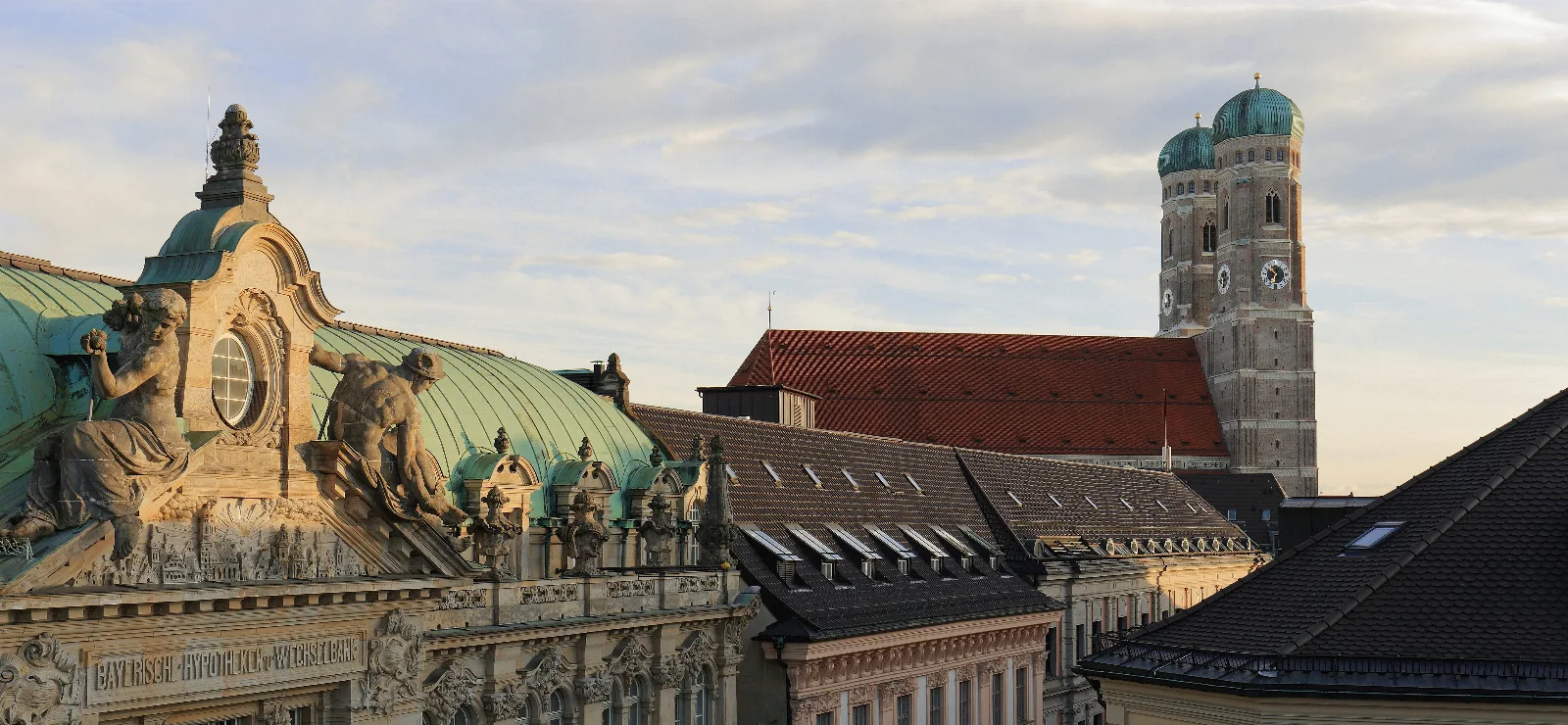
A few steps away stands the Frauenkirche, Munich's largest Gothic church and now a cathedral. Construction began in 1468 and took about twenty years, and its two towers are the profile most people associate with the city. Entering the church is simple; climbing a tower is a separate, seasonal option, so look it up before planning around it.
Walk on to the Viktualienmarkt, a food market of about 140 stalls and shops, established by decree of King Maximilian I on 2 May 1807. It runs daily except Sundays and holidays, so do not plan a Sunday lunch there. The Hofbräuhaus, built in 1589 under Duke William V, became the model for Munich's beer halls and is close enough to add in the evening.
What is worth seeing on day two?
Spend the morning inside the Residenz, the former royal palace of the Wittelsbach rulers and described as the largest city palace in Germany. The first buildings date to 1385. The museum shows furniture, paintings, bronzes and porcelain, with the Renaissance Antiquarium of 1568 to 1571 as a highlight; the Treasury holds Wittelsbach jewels and regalia in ten halls, and the Cuvilliés Theatre is a rococo interior rebuilt after the war. Allow at least half a day, because the complex is large.
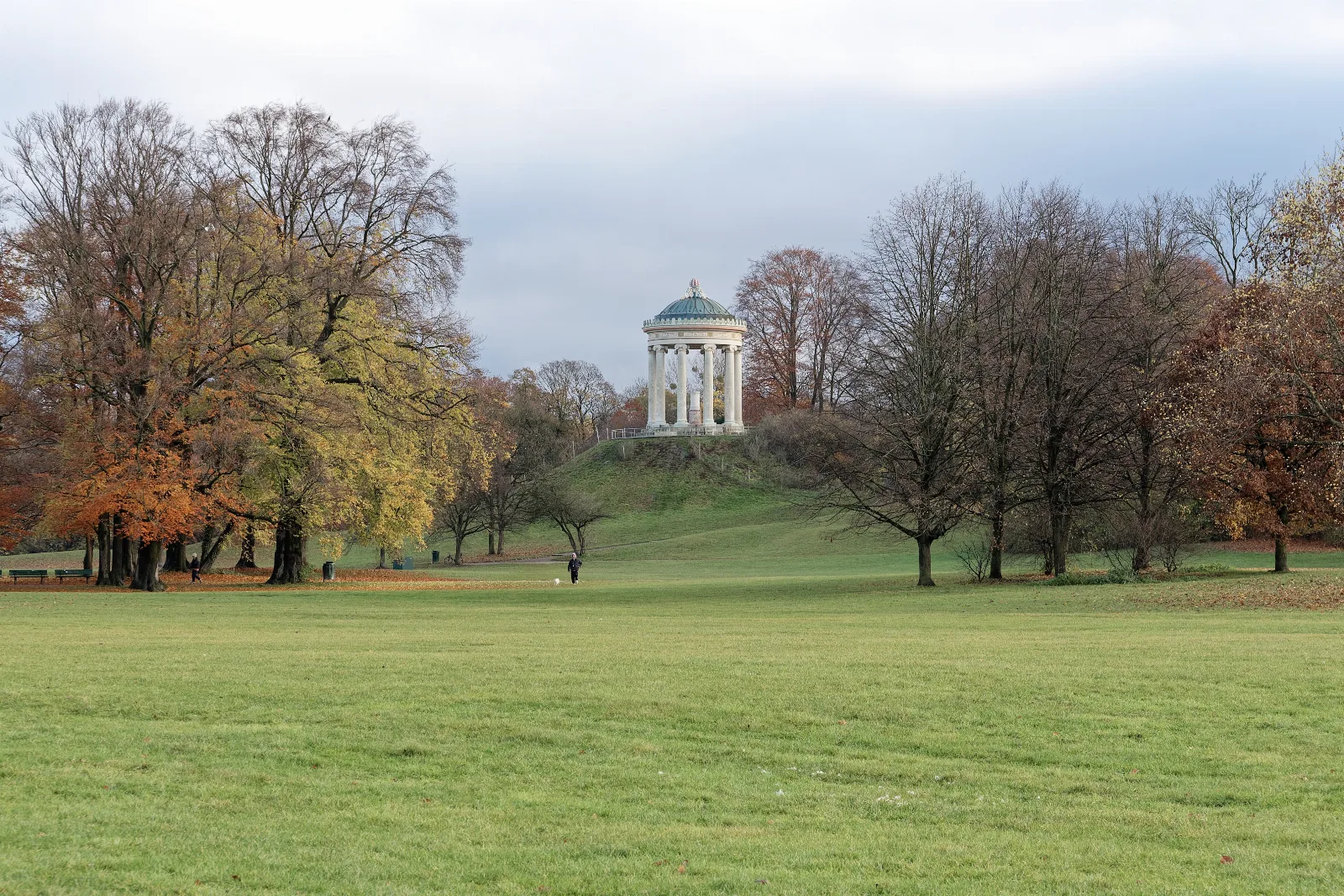
In the afternoon go to the Englischer Garten. Work on the park began in 1789 and it opened to the public in 1792; it covers about 3.7 square kilometres, which makes it larger than many city centres. The Monopteros, a small Greek-style temple on a hill finished in 1836, gives a view back over the city. Near the Chinese Tower is a beer garden with 7,000 seats, the second largest in Munich. At the Eisbach, a standing wave lets surfers take turns, but signs reserve it for experts, so treat it as something to watch.
Which attraction suits day three: Nymphenburg or the Deutsches Museum?
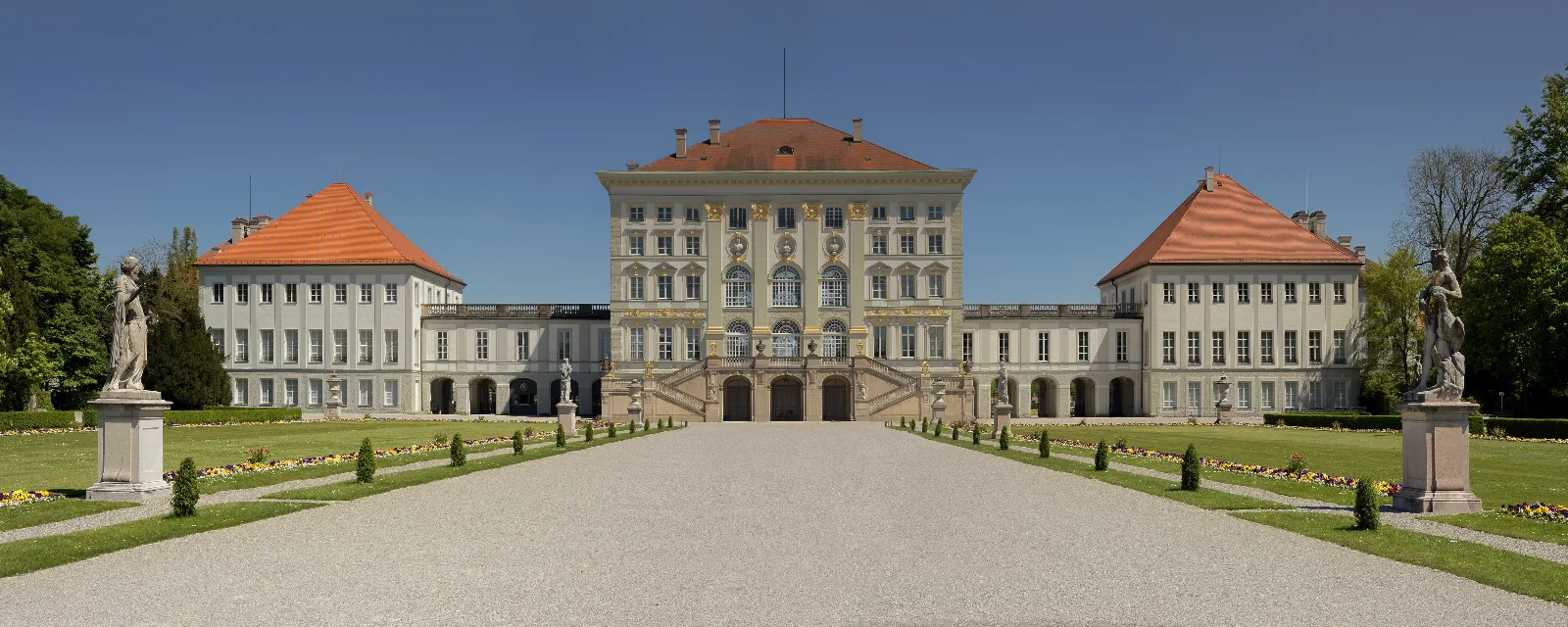
Choose by weather and interests. Nymphenburg Palace was begun in 1664 as the summer residence of the Wittelsbach rulers. Visitors see the Stone Hall, the royal apartments and the Marstallmuseum, a carriage museum in the former stables, set in a park of roughly 200 hectares that is open all year. The palace has shorter opening hours in winter than in summer, so check the official calendar.
The Deutsches Museum, founded in 1903, sits on an island in the Isar and is described as the world's largest museum of science and technology, with about 125,000 objects in roughly 50 fields. It suits a rainy day or travellers with children. If you have a fourth day, the Olympiapark, main venue of the 1972 Summer Olympics, is reached by the U-Bahn line built for those Games, and the Dachau memorial lies about 16 kilometres north-west of the city. The memorial is a place of serious remembrance, so allow time and plan it as its own outing.
Where should I stay in Munich?
For a three-day trip the choice is between the Altstadt and the station area. In the Altstadt you can walk to Marienplatz, the Viktualienmarkt and the Residenz, which saves transport time. Around the Hauptbahnhof you are on the S-Bahn lines S1 to S8 and the U-Bahn lines U1, U2, U4, U5, U7 and U8, which helps if you arrive by train or head to the airport.
On our site you can look at Bohemian Chic Sage Dreams near Munich Central Station for a stay by the station, or the design apartment close to Maximilianstraße for a central address. Further options include the Munich Aparthotel and the FirstSleep Griesfeldstraße. We list these pages for convenience and have not inspected the properties, so read each listing for amenities, location and cancellation terms.
How do I get around Munich?
Most of the central sights are within walking distance of one another, and the S-Bahn and U-Bahn serve the rest. Marienplatz is served by both networks. Munich Airport opened in 1992 and is named after Franz Josef Strauß. Buy tickets and check zones on the official transport operator's website, because fares and zones change.
When is the best time to go?
Spring to early autumn gives the best conditions for the Englischer Garten and the beer gardens, but these are also the busiest months, with the peak around Oktoberfest. In winter the days are shorter and Nymphenburg and the Residenz open for fewer hours, though the museums are comfortable. Whatever the season, book your bed first and fit the sights around it.