Serra da Estrela: what to do at the Torre and in the valleys, and where to stay
23 Nov 2026
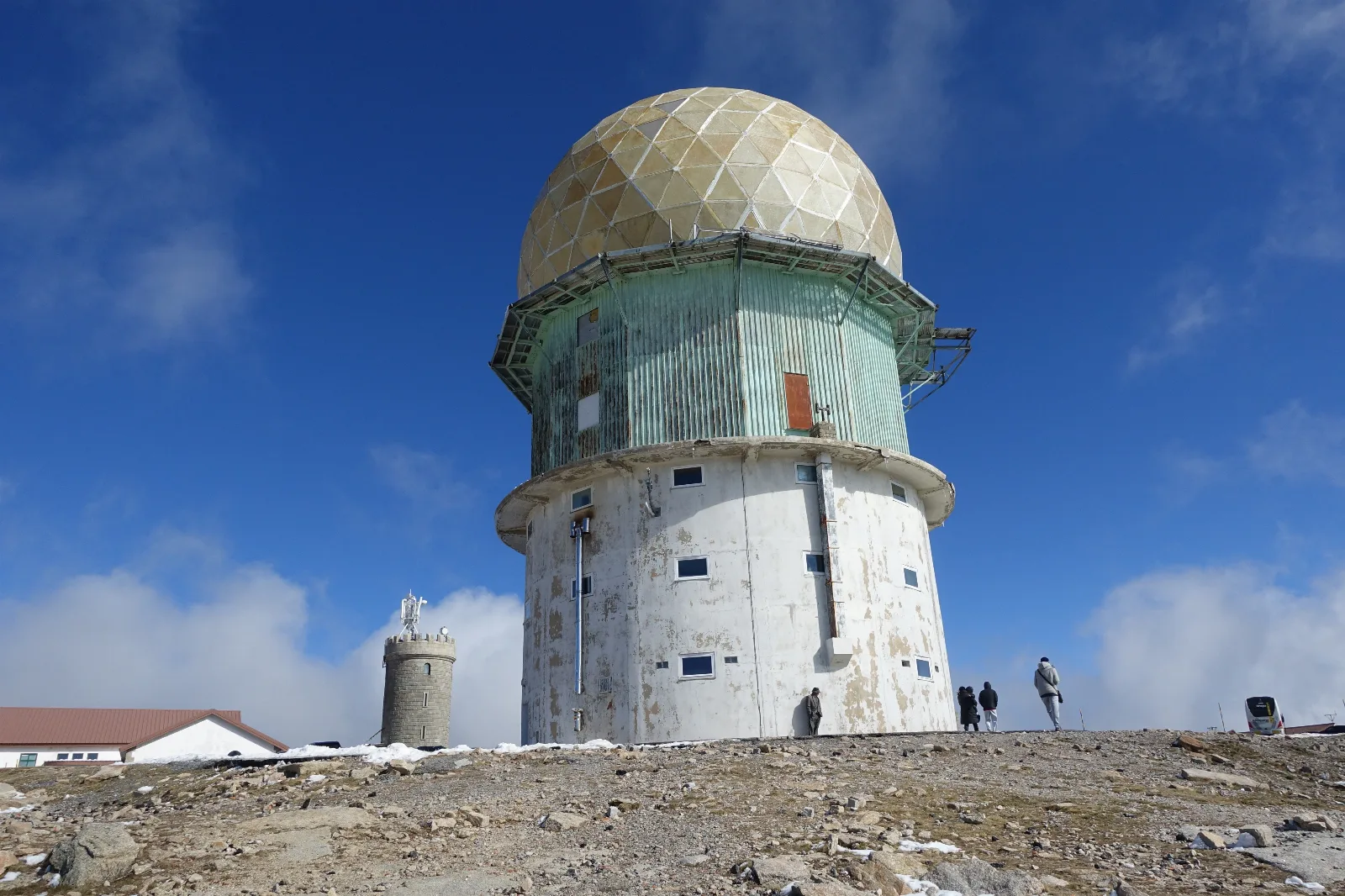
If you want to know what to do in the Serra da Estrela, start with the map: the Torre, the highest point of mainland Portugal, is the image of the range, but the Natural Park covers 101 thousand hectares and is the largest in Portugal. There are trails, lakes, glacial valleys, villages and a cuisine of its own. This guide gathers what official sources say and helps you pick the right base to sleep.
What is there to do at the Torre?
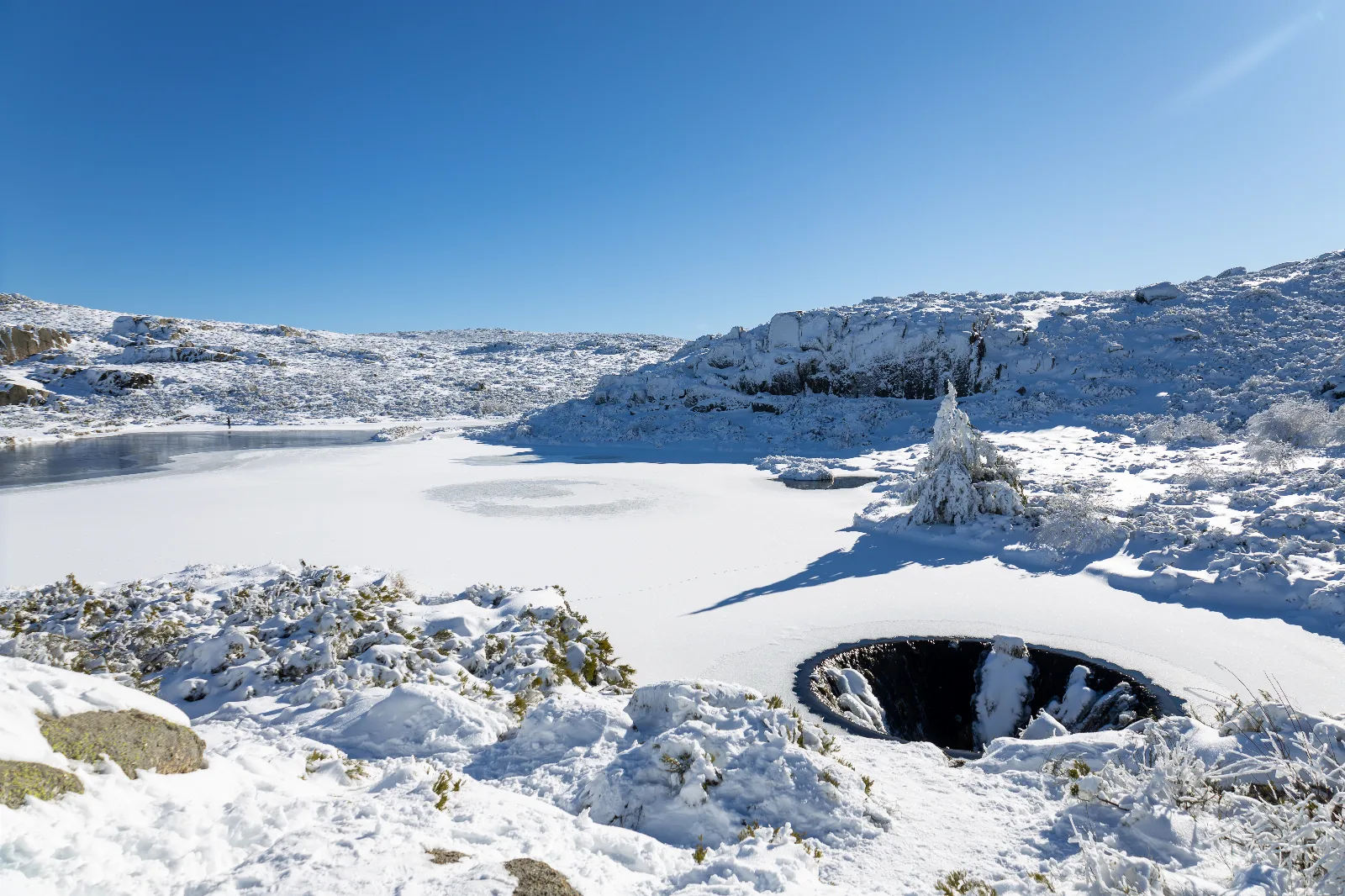
The Torre is the destination most people have in mind. According to the Turismo Centro de Portugal digital map, it is where snow accumulates generously, at 1,993 m, and it is part of the ski resort, where equipment can be rented. iNature describes the shops up there as a sample of mountain gastronomy and traditions. With the first snow, says the Abrigo da Montanha hotel, there has always been a pilgrimage to the summit by people from all over the country.
A frequent mistake is to stop at the Torre. iNature itself warns: do go, but do not stay only there, because the park has much more to discover, sometimes by leaving the car and equipping yourself properly.
Which trails and lakes are worth doing?
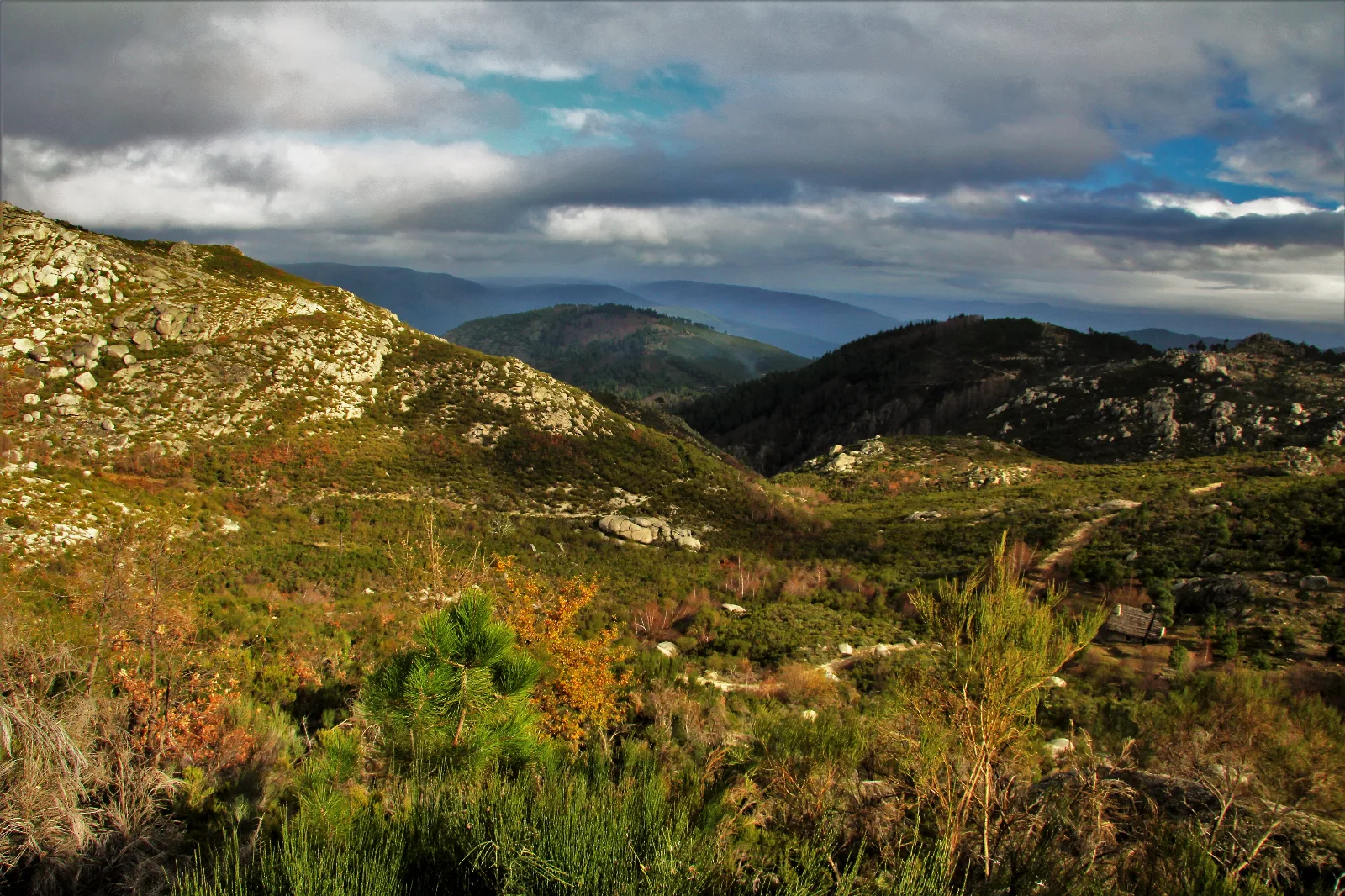
Walking and mountain biking are the best way to get to know the landscapes, with woods and forests that change with altitude, terrain and climate. iNature suggests six routes: Rota das Faias (5.4 km), Rota do Poço do Inferno (2.5 km), Rota do Vale do Rossim (6.3 km), Rota do Carvão (20 km), Rota do Glaciar (17.2 km) and Rota da Ribeira do Alvoco (17.1 km). Not every footpath suits a bicycle, so find out before you set off. If you do not know the range, some companies rent electric bikes and run guided rides.
Natural monuments worth seeing include Covão da Ametade, Covão do Boi, Covão da Ponte, Cântaro Gordo, Cântaro Magro and Covão dos Conchos, one of the range's 25 emblematic lakes. Some have good spots for climbing and birdwatching.
Why is the Serra da Estrela a UNESCO Global Geopark?
In July 2020 the range was recognised as a UNESCO Global Geopark. Estrela Geopark identifies 144 geosites. The most striking is the Zêzere glacial valley: according to the Turismo Centro map, it is the largest glacial tongue in the range, 13 km long and U-shaped, from Covão d'Ametade down to the town of Manteigas. There are also the Alforfa and Loriga valleys, and the Zêzere Glacial Valley Interpretation Centre in Manteigas helps you understand what you are looking at.
Which mountain culture and food should you look for?
Herding and farming are at the origin of the range's culture. In Manteigas, the Burel Factory helps you understand burel, the carded-wool fabric that once clothed mountain people. iNature also recommends the CISE in Seia, the Wool Museum in Covilhã, and the Bread Museum and the Natural Museum of Electricity in Seia. At the table, look for Serra da Estrela DOP cheese, requeijão, feijoca, kid and lamb, Seia's regueifa and Loriga's bolo negro. The 41 Aldeias de Montanha host local festivals, the best way to meet people and traditions.
When should you go to the Serra da Estrela?
iNature argues the range has reasons to visit in every season: snow in January and February, colour in spring, river beaches in summer and a mix of tones in autumn. Some say the in-between seasons are the most charming. The peak of visits, however, comes in winter, when many people head up to see the snow; then, book accommodation early and check access conditions before leaving.
Where to stay to explore the range?
It depends on your base. Covilhã and Guarda are gateways with more services; Guarda has the highest-altitude castle built in Portugal. Manteigas suits those who want trails and the glacial valley on the doorstep. In our catalogue, see the pages of Abrigo da Estrela and Estrela da Montanha, check the location and conditions on each page and compare them with the towns above.
What should you check before going?
The tourist offices in Manteigas, Covilhã, Seia and Gouveia are the contact point for current information on access, trails and activities. With snow or fog the mountain changes fast: bring suitable clothing, do not underestimate the long trails and always follow the park authorities' guidance.