Azores travel guide: which island to choose and where to find the detailed guides
25 Oct 2026
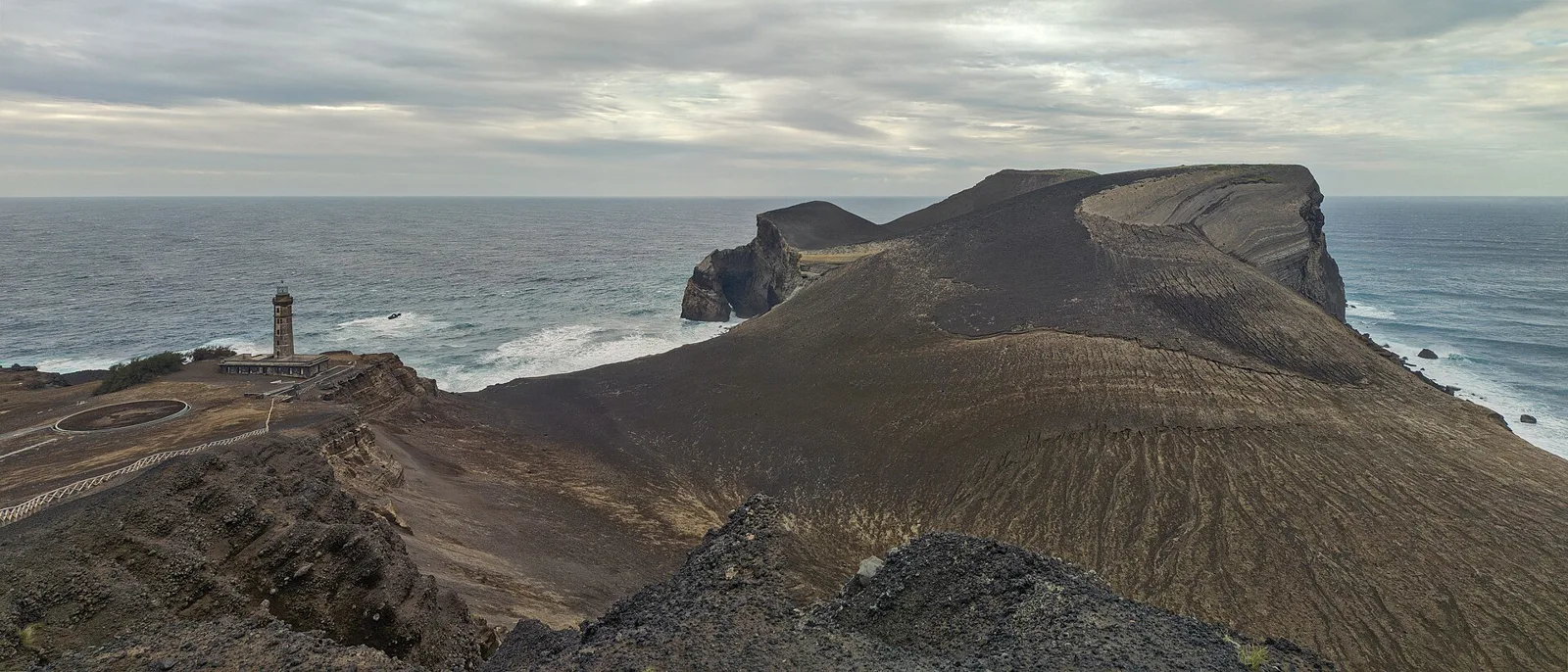
The Azores are nine volcanic islands in the middle of the Atlantic, about 1,400 km west of mainland Portugal, with crater lakes, black-sand coastlines, hot springs and mountains that rise straight out of the sea. They are small, but each island has a distinct character, and the hardest part of planning is deciding where to go. This post is a short introduction and a decision aid. For the detailed guides we recommend travel-azores.com, our dedicated Azores guide: it is run by the same owner as goaway.pt, so think of it as our sister guide.
The nine islands at a glance
The archipelago is usually split into three groups: Eastern (São Miguel and Santa Maria), Central (Terceira, Graciosa, São Jorge, Pico and Faial) and Western (Flores and Corvo). Here is each island in a line or two.
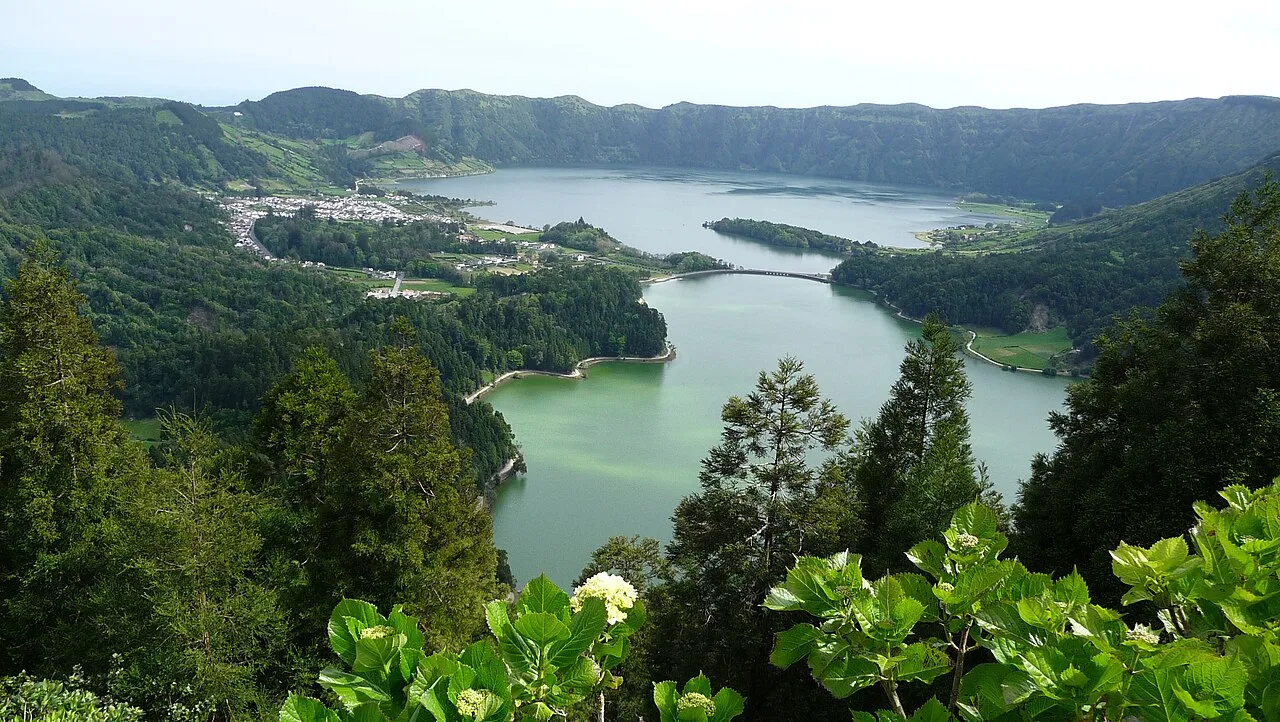
- São Miguel is the largest island (about 759 km²) and the home of Ponta Delgada, the biggest city in the Azores. It is the usual first choice for crater lakes such as Sete Cidades and for thermal pools. See our sister guide's São Miguel page.
- Santa Maria is the oldest island, small, drier than the others and known for some of the few brown sandy beaches in the archipelago.
- Terceira is a nearly round island whose main town, Angra do Heroísmo, is a historic centre with UNESCO World Heritage status. More on the Terceira page.
- Graciosa is one of the smallest (about 62 km²), quiet, with an active geothermal cave called Furna do Enxofre.
- São Jorge is long and slender, shaped by fissure eruptions, and famous for its fajas, the small flat coastal platforms below steep cliffs.
- Pico is home to Mount Pico, at 2,351 m the highest point in Portugal, plus a vineyard landscape and a strong whale-watching tradition. See the Pico page.
- Faial has the town of Horta and the Capelinhos volcano, whose eruption in 1957 was the last significant one in the Azores.
- Flores is green and rugged, full of valleys and waterfalls, and one of the rainiest islands. See the Flores page.
- Corvo is the smallest island (about 17 km²), a single crater with a tiny community.
How to choose your island
First trip, 5 to 7 days: most visitors choose São Miguel. It has the most to see, the biggest choice of places to stay and the best flight links, so a week is easy to fill without changing island. If you want more, add one neighbour from the Central Group, such as Terceira or the Faial and Pico pair, rather than trying to see everything.
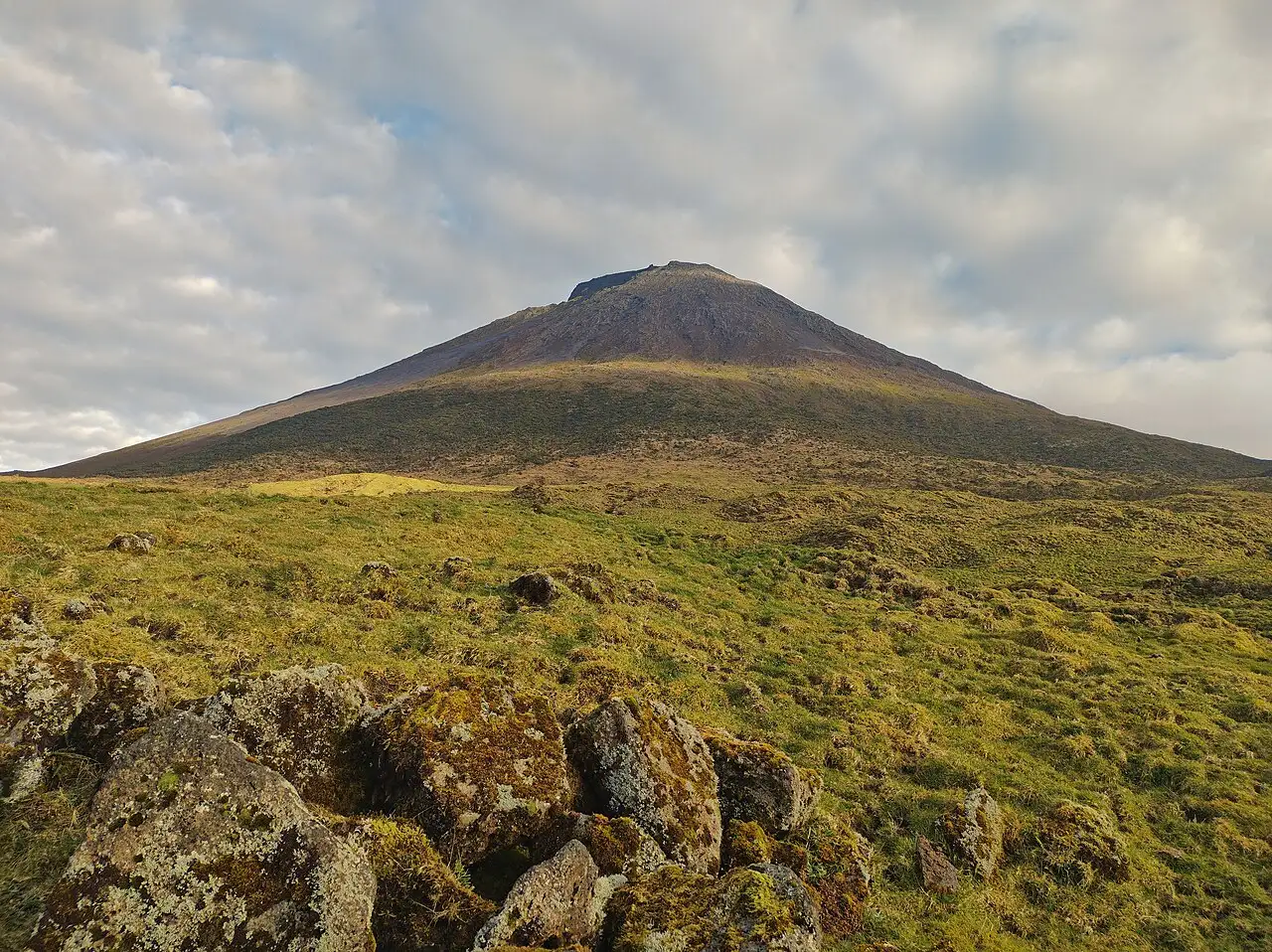
Hiking: Pico is the obvious pick for the mountain climb, while São Miguel, Flores and São Jorge are strong for walks with sea and lake views. Our sister guide lists the 10 best Azores hiking trails for 2026, and the trails section there is a good place to compare routes. Trails depend on weather, so check conditions locally before you set out.
Whales and dolphins: Pico is described as the whale-watching hub, with Faial and São Miguel also having good operators. The sperm whale is present throughout the year, and the season for many other species is shorter. Read whale watching in the Azores before booking a boat trip.
Hot springs: São Miguel is the island for thermal pools and for geothermally cooked food in Furnas. Graciosa also has a geothermal attraction. The São Miguel hot springs guide explains the options.
Peace and remoteness: Flores, Corvo, Graciosa and São Jorge suit travellers who want quiet landscapes and do not mind fewer facilities and less frequent transport.
Getting around and between the islands
Inter-island flights connect all nine islands and are generally short, from about 20 minutes to just over an hour. Ferries also operate, but a good part of the network is seasonal, roughly from spring to early autumn, while the Faial, Pico and São Jorge crossings and the Flores to Corvo link run year-round. Sailings can be changed or cancelled because of sea conditions, so keep some flexibility. Timetables and capacity change from year to year, so always check the airline and ferry operator before you book.
Public buses exist on most islands, but frequency is limited, and it drops further outside the high season. Most visitors rent a car on the island they are staying on, and many car rental companies do not allow their vehicles on inter-island ferries, so plan to rent a new car on each island. For the full picture see our sister guide's guide to buses, ferries and inter-island flights.
When to go
The climate is mild and oceanic, with daytime highs typically between about 16 and 25 °C over the year. Our sister guide suggests May, June, July and September as the best months: July and August are the most settled and warm, while May and September offer good weather with fewer people. Whale watching starts around March and peaks in spring, and hydrangeas colour the roadsides from late spring into summer. Winter is wetter and ferry services are reduced, but the islands remain green and uncrowded.
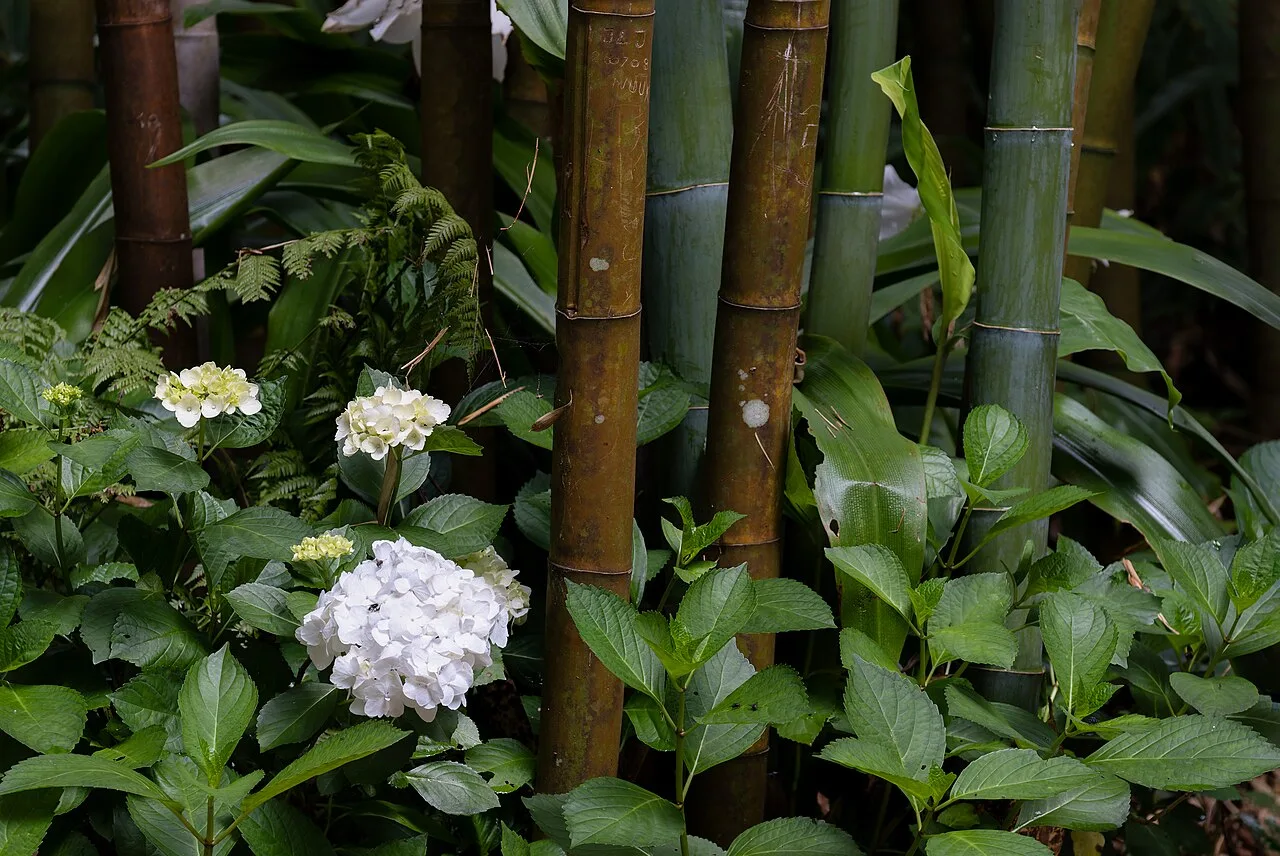
Rain can come at any time, usually in short showers, and the weather can change between one side of an island and the other. Our Azores weather guide by month gives the detail.
Plan your stay
If you fly in via São Miguel, Ponta Delgada is a practical base for the first nights: the airport is close, restaurants and services are concentrated here, and many day trips start from the city. You can browse the Ponta Delgada city page on goaway.pt for places to stay. Two options listed on goaway.pt in the city are Vintage Place - Azorean Guest House and PIO XII - Local Accommodation; check the listings for current details.
A simple way to plan is to pick one island, add one neighbour at most, and book your first and last nights near the airport. When you are ready for itineraries, restaurants and place-by-place detail, continue on travel-azores.com, our dedicated Azores guide.