Reykjavik in Winter: Northern Lights, Geothermal Pools and Day Trips
25 Oct 2026
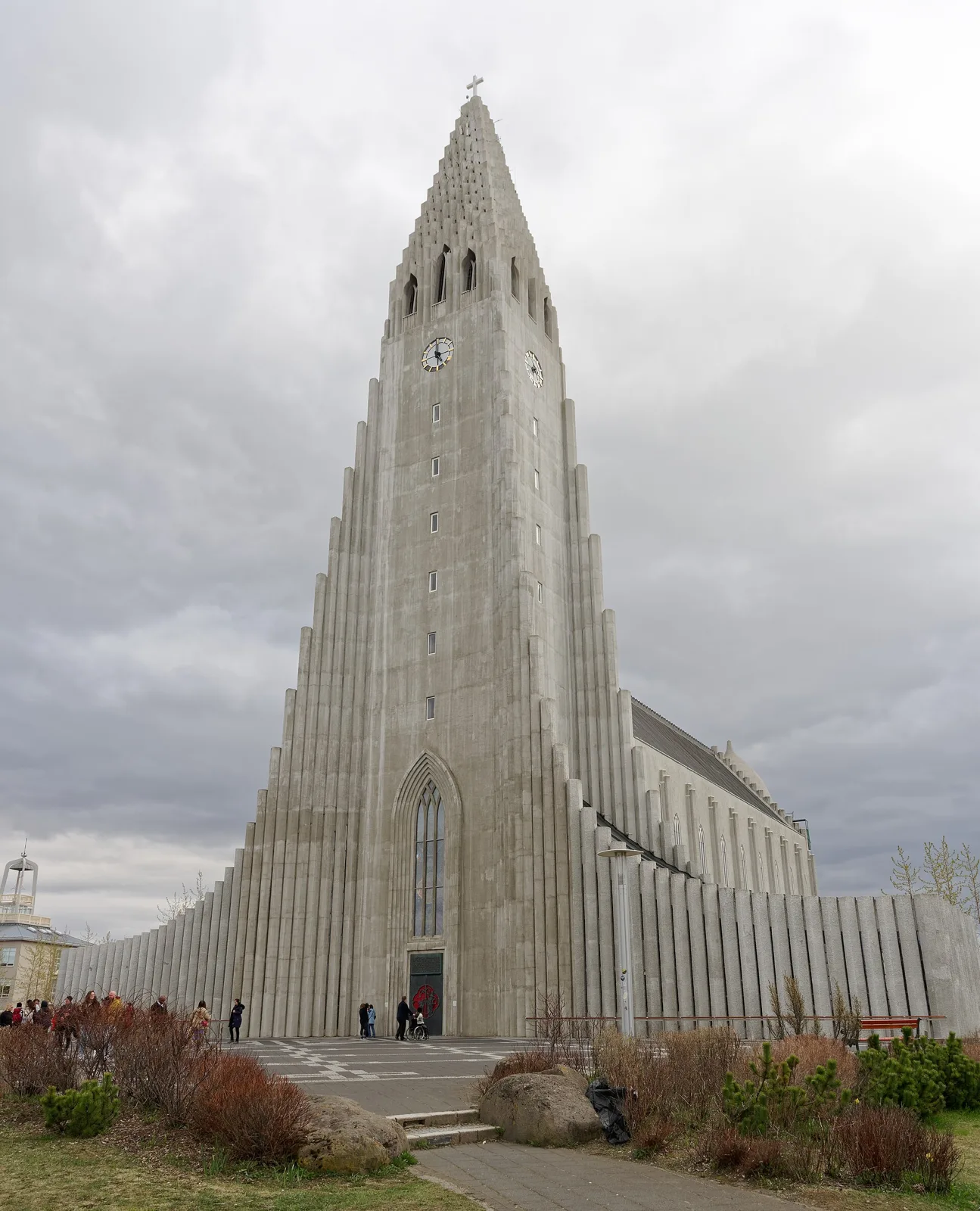
Iceland keeps appearing on lists of destinations to watch for 2026-27, and its capital is where almost every trip begins. Reykjavik is small, walkable and colourful, and in winter it becomes something else again: a cosy base with long evenings, steaming outdoor pools and a real, if never guaranteed, chance of seeing the northern lights. This guide covers what to expect, what to see and where to sleep. You can also browse all options on our Reykjavik city page.
Why visit Reykjavik in winter
Winter days are short. According to Wikipedia, from about 2 December to 10 January daylight lasts less than five hours in Reykjavik, and the sun climbs only about 3 degrees above the horizon. Daylight then grows quickly during January, reaching about seven hours by the end of the month. Plan your sightseeing for the bright hours and keep the evenings for pools, restaurants and aurora watching.
The cold is milder than many visitors expect. The same source gives mean daily highs of about 3 degrees Celsius in December, January and February, with lows around minus 2, and notes that temperatures rarely fall below minus 15. Wind and wet weather are another matter, so pack waterproof layers, a warm hat, gloves and shoes with a good grip.
Chasing the northern lights
The aurora is the main reason many people come in winter, so it helps to be realistic. Auroras are most often seen in a band centred near 67 degrees north latitude, and further from it the aurora may appear only as a faint glow on the horizon. Displays depend on solar activity: they tend to be brighter and more frequent in the intense phase of the roughly 11-year solar cycle, and even then they can change within minutes. Most major outbursts occur around midnight.
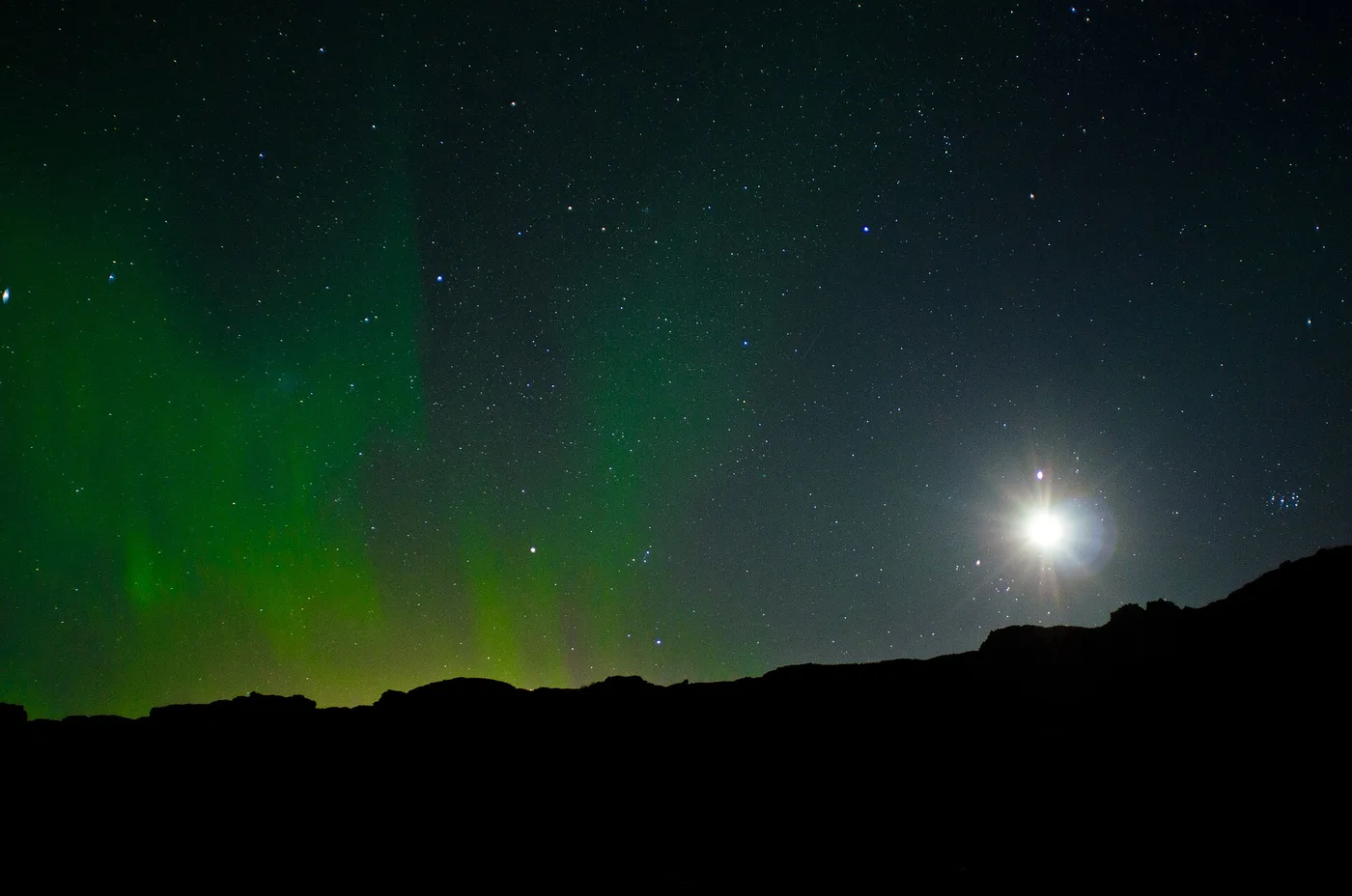
In practice, that means nobody can promise you a show. Cloud cover and weather matter as much as the sun, and a clear, dark sky away from city lights gives the best odds. Check the space-weather forecast (NOAA publishes short-term aurora forecasts) and the local weather outlook, stay flexible, and spread your trip over several nights rather than betting on one. Many visitors book an organised evening tour from the city, which can help you reach darker spots, but treat the sighting as a bonus and not as the whole trip.
Geothermal pools and the Blue Lagoon
Hot water is part of Icelandic life, and a soak in cold air is one of the best winter experiences. The best-known spa is the Blue Lagoon, a geothermal spa in a lava field on the Reykjanes Peninsula, in front of Mount Thorbjorn. Wikipedia describes it as about 20 km from Keflavik International Airport and about 5 km from the town of Grindavik. Its milky blue colour comes from high silica content, and the bathing area averages 37 to 39 degrees Celsius.
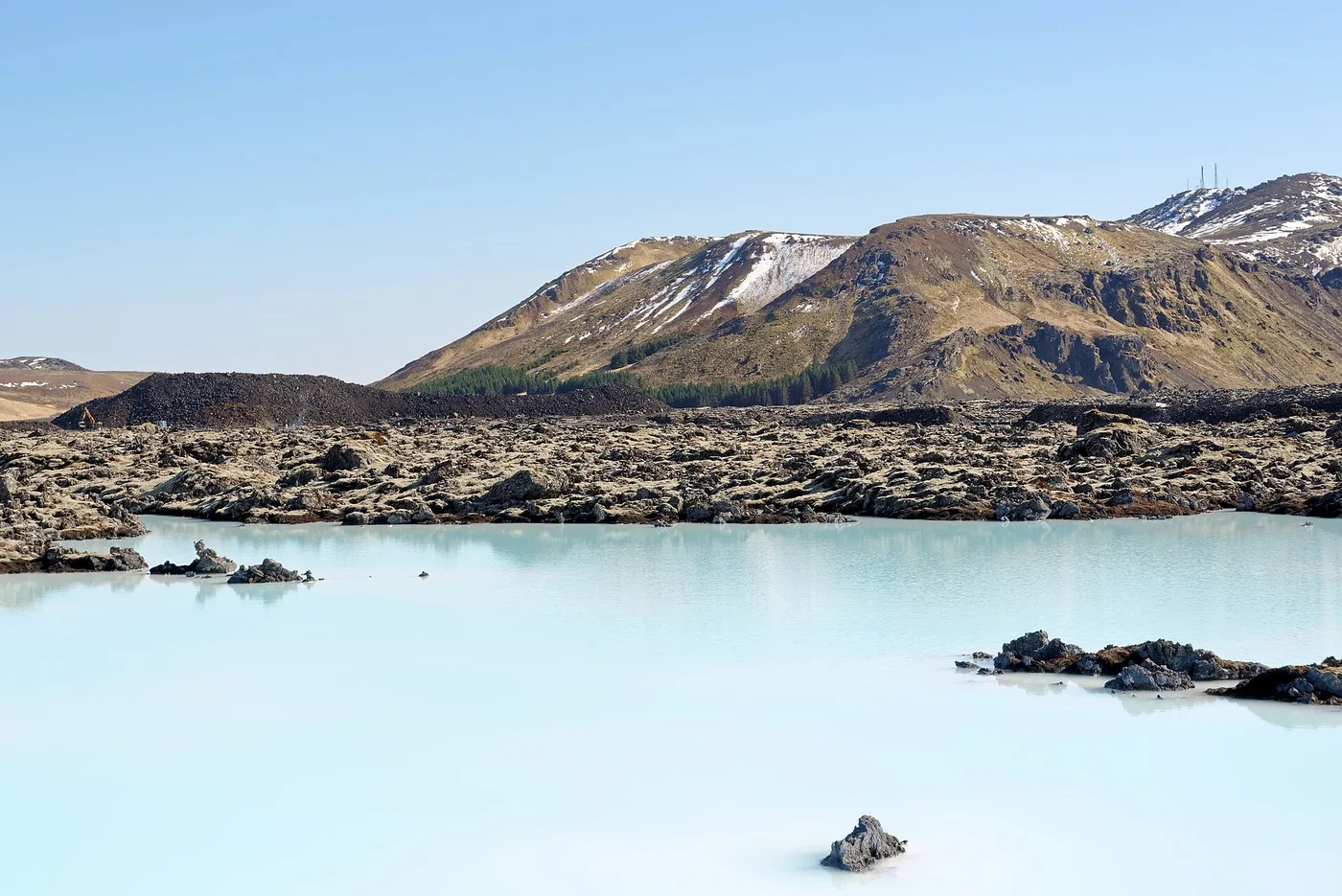
Because the lagoon lies between the airport and the capital's region, some travellers visit on arrival or departure day. Whatever your plan, check the official Blue Lagoon website for current opening hours, booking rules and any local conditions on the Reykjanes Peninsula before you go. Reykjavik also has its own municipal geothermal pools, which are a more local, everyday alternative; check their websites for current hours.
The Golden Circle and other day trips
The classic excursion from Reykjavik is the Golden Circle, a loop of about 300 km from the city into Iceland's southern uplands and back. Its three main stops are:
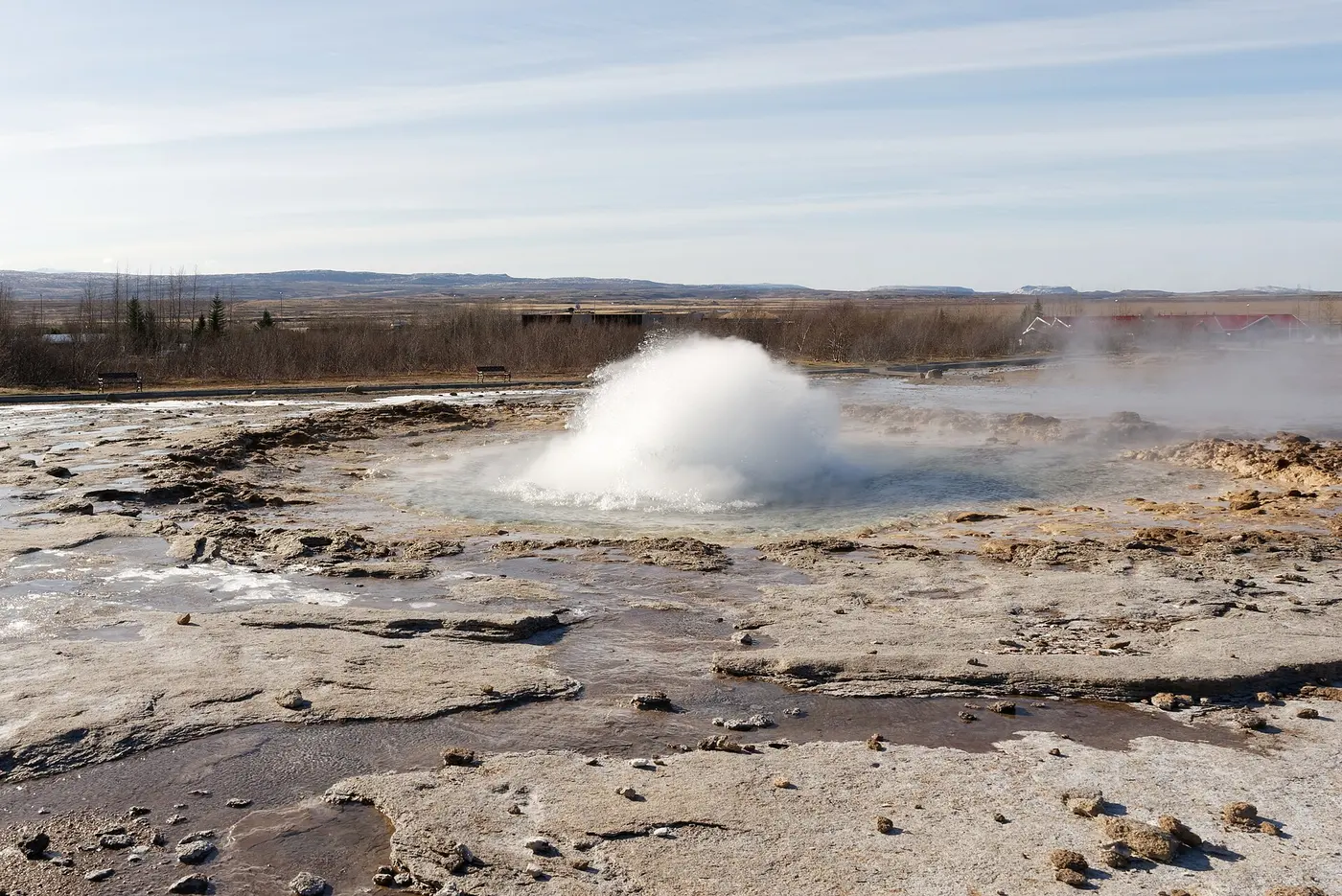
- Thingvellir National Park;
- the Haukadalur geothermal area, home to the geysers Geysir and Strokkur (Geysir has been mostly dormant for many years, while Strokkur erupts every 5 to 10 minutes);
- Gullfoss waterfall.
Other common stops include the Kerid volcanic crater, the town of Hveragerdi and Skalholt cathedral. In winter, road and weather conditions can change quickly, and daylight is limited, so start early, check the road and weather reports on the day, and consider a guided tour if you do not want to drive in snow or ice. Do not assume that every stop will be accessible in every condition.
What to see in the city
Reykjavik is compact, and the main landmarks can be seen on foot over a day or two. Among the best-known are:
Hallgrimskirkja, the striking church whose tower is visible across the city; Harpa, the concert hall by the harbour; Perlan; Hofdi House; the Parliament building; and Reykjavik Cathedral. Add the shops, cafes and street art around the centre, and plan indoor stops such as museums for the darkest and wettest hours. Check each attraction's website for winter opening hours, which can differ from summer.
Where to stay
For a first visit, the compact city centre is the easiest base: restaurants, bars, shops and the harbour are within walking distance, and many day-tour pick-ups start in or near the centre. Staying central also means you can walk back in the evening after a soak or an aurora outing, and in a winter of short days that convenience counts.
On goaway.pt you can compare accommodation in the city. Options listed there include Bolholt Apartments, Day Dream Vesturgata 17 Reykjavik and Reykjavik Central Guesthouse. Check each listing for location, facilities and current availability, and compare them against how you plan to travel.
Getting around and plan your stay
Keflavik International Airport lies about 50 km west-southwest of Reykjavik, so allow time for the transfer on arrival and departure days. In the centre you will mostly walk. For day trips you can join an organised tour or rent a car, but only drive in winter if you are comfortable with snow and ice and have checked the forecast.
A simple plan could be three to five nights: one day for the city on foot, one for the Golden Circle, one flexible day for the Blue Lagoon or another pool, and evenings kept free for the aurora. Because weather can change everything, leave slack in the schedule, book refundable options where possible, and check official sources for dates, hours and conditions in 2026-27. When you are ready, start from the Reykjavik page and pick a base that suits your plans.