Salem, Massachusetts: The 1692 Witch Trials and Halloween Today
25 Oct 2026
Few small cities carry as much weight in the popular imagination as Salem, Massachusetts. Every October it fills with costumes, music and visitors, yet the reason the name is famous is a sombre one: in 1692 and 1693 the community took part in a witch hysteria that ended in the deaths of 25 people. A good visit holds both facts in mind. This guide covers what happened, which places help you understand it, how the modern Halloween season works, and how to get there and cope with the crowds.
Why Salem, and why plan ahead
Salem lies on the coast north of Boston, in Essex County, and its compact centre is easy to cover on foot. Much of the year it is a quiet historic port town with a major art museum and a waterfront national historic site. In October it becomes something else. The official Haunted Happenings website describes the month as the largest celebration of Halloween in the world and expects over one million visitors across parades, tours, vendor fairs and museum events.
That scale shapes everything: queues, train carriages, restaurant tables and, above all, the atmosphere on the main streets. If you want the history, the shoulder days of the season and weekdays are kinder than weekends. If you want the spectacle, go in with a plan.
1692: what actually happened
The Salem witch trials ran from February 1692 to May 1693. The accusations began in Salem Village, which is today the town of Danvers, when young girls accused neighbours of witchcraft. More than 200 people were accused and 30 were convicted. Nineteen of them, fourteen women and five men, were hanged, on June 10, July 19, August 19 and September 22, 1692. Another man, Giles Corey, was pressed to death on September 19, 1692, after refusing to enter a plea, and at least five more people died in jail without a trial. In total, 25 people lost their lives.
Historians do not point to a single cause. Sources stress several factors together: long-running feuds between families and factions in Salem Village, religious and political upheaval linked to the new colonial charter of 1691, Puritan beliefs about the Devil and about women, and a court that accepted so-called spectral evidence. The Court of Oyer and Terminer was convened in Salem Town on June 2, 1692. When a later court sat in 1693, it no longer allowed spectral evidence. Some researchers have also proposed that physical symptoms resembled ergot poisoning, but that remains only a hypothesis.
It is worth remembering that these were real people, neighbours and families, not characters. The tone of a respectful visit is reflection first, entertainment second.
Places that help you understand the history
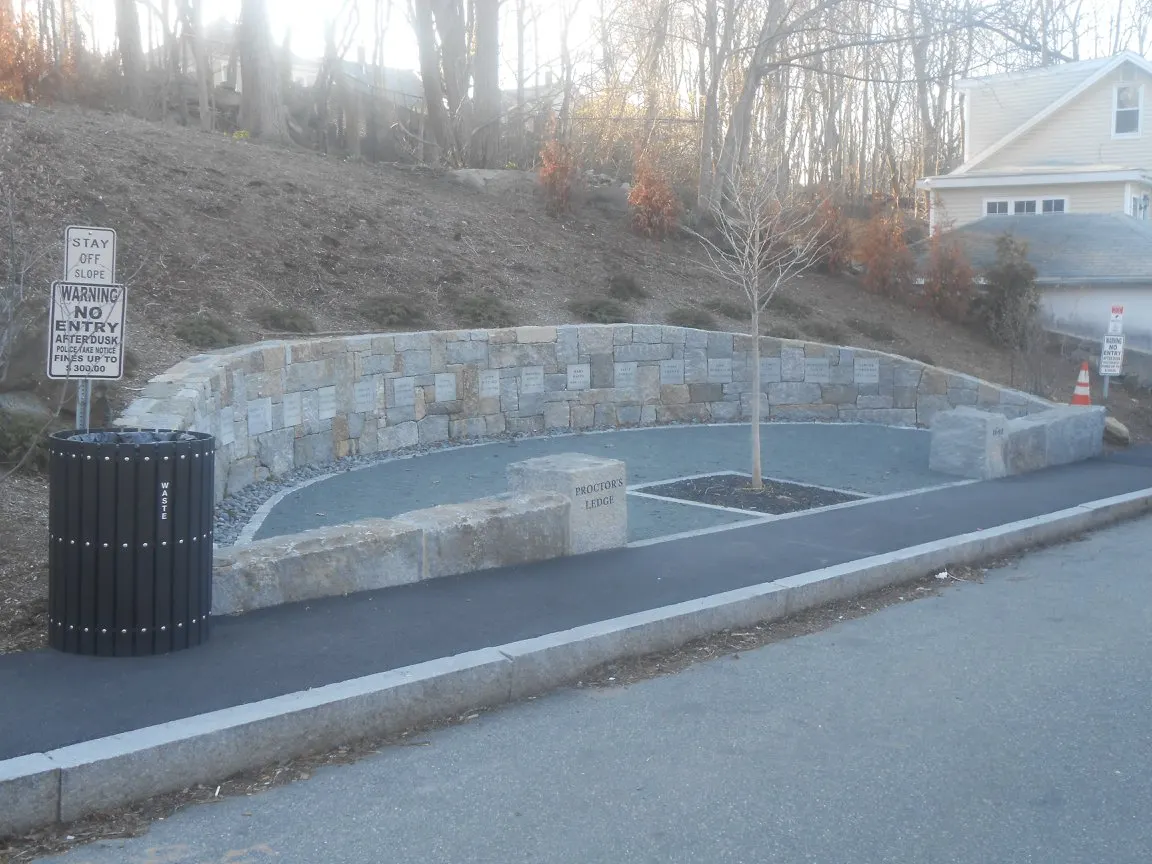
- Proctor's Ledge. In January 2016 the University of Virginia's Gallows Hill Project identified this site as the place where the hangings took place, and the city dedicated a memorial there in 2017. It is a quiet place meant for reflection, so behave accordingly.
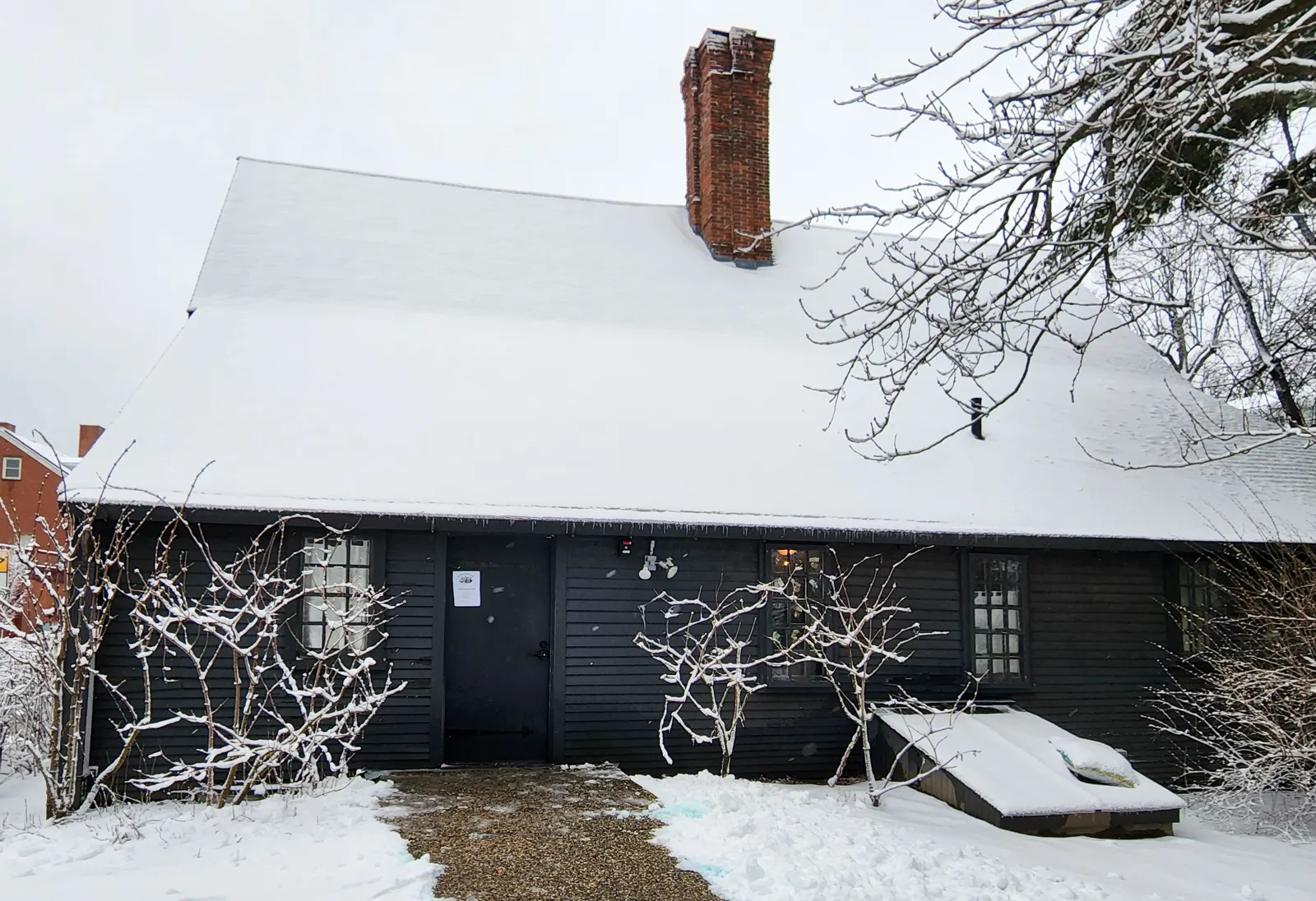
- The Witch House (Jonathan Corwin House). A house dating from about 1642, described as the only structure still standing in Salem with direct ties to the 1692 trials. It is owned and run by the City of Salem as a historic house museum.
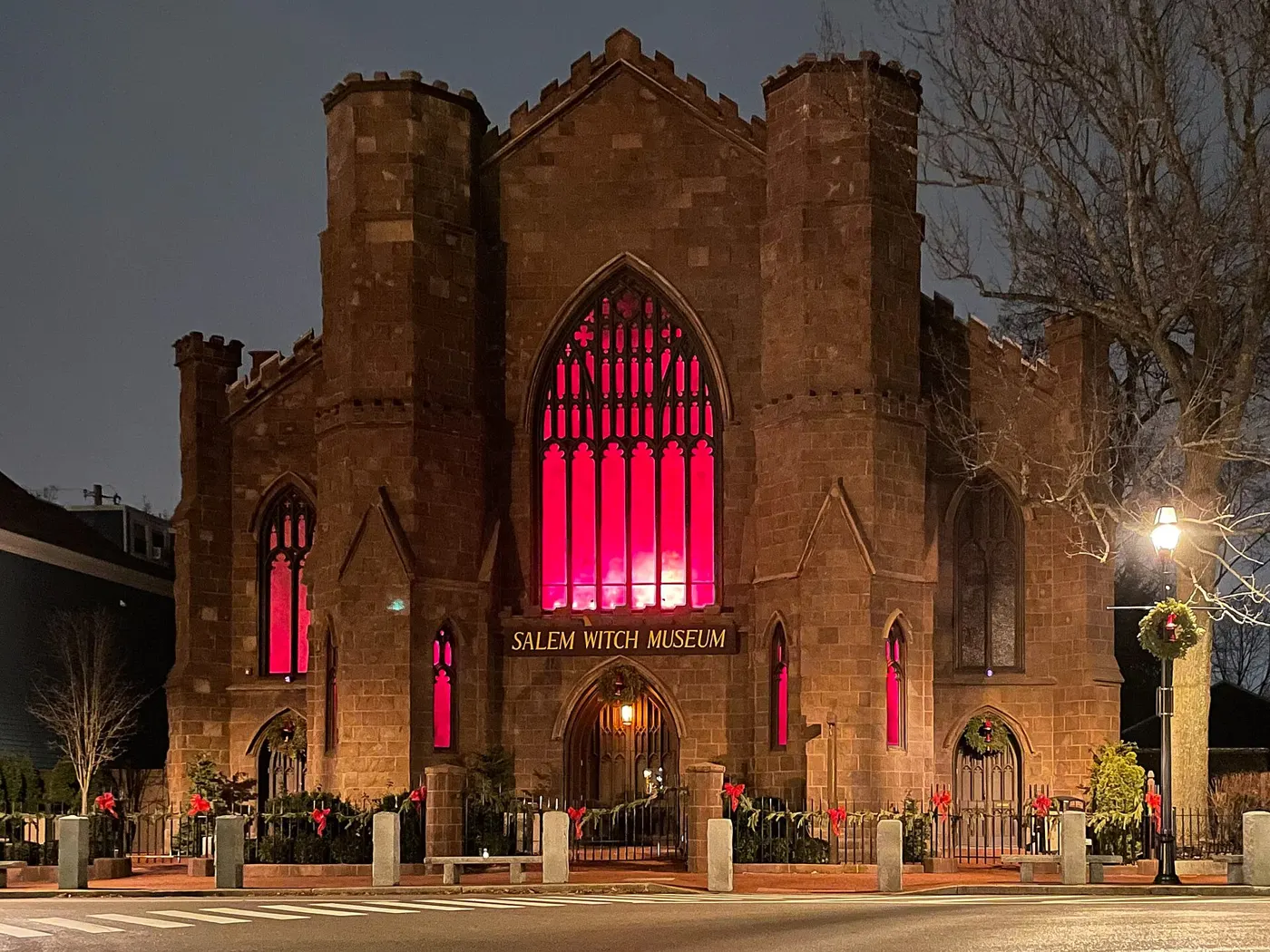
- Salem Witch Museum. Opened in 1972 at Washington Square North, across from Salem Common, it tells the story of 1692 with thirteen life-size stage sets, lighting and narration, and has a second exhibit on how the image of the witch has changed over time. It is theatrical rather than academic, so treat it as an introduction.
- Memorials of 1992. For the 300th anniversary, a memorial park was dedicated in Salem and a memorial in Danvers, where the victims' statements of innocence are quoted.
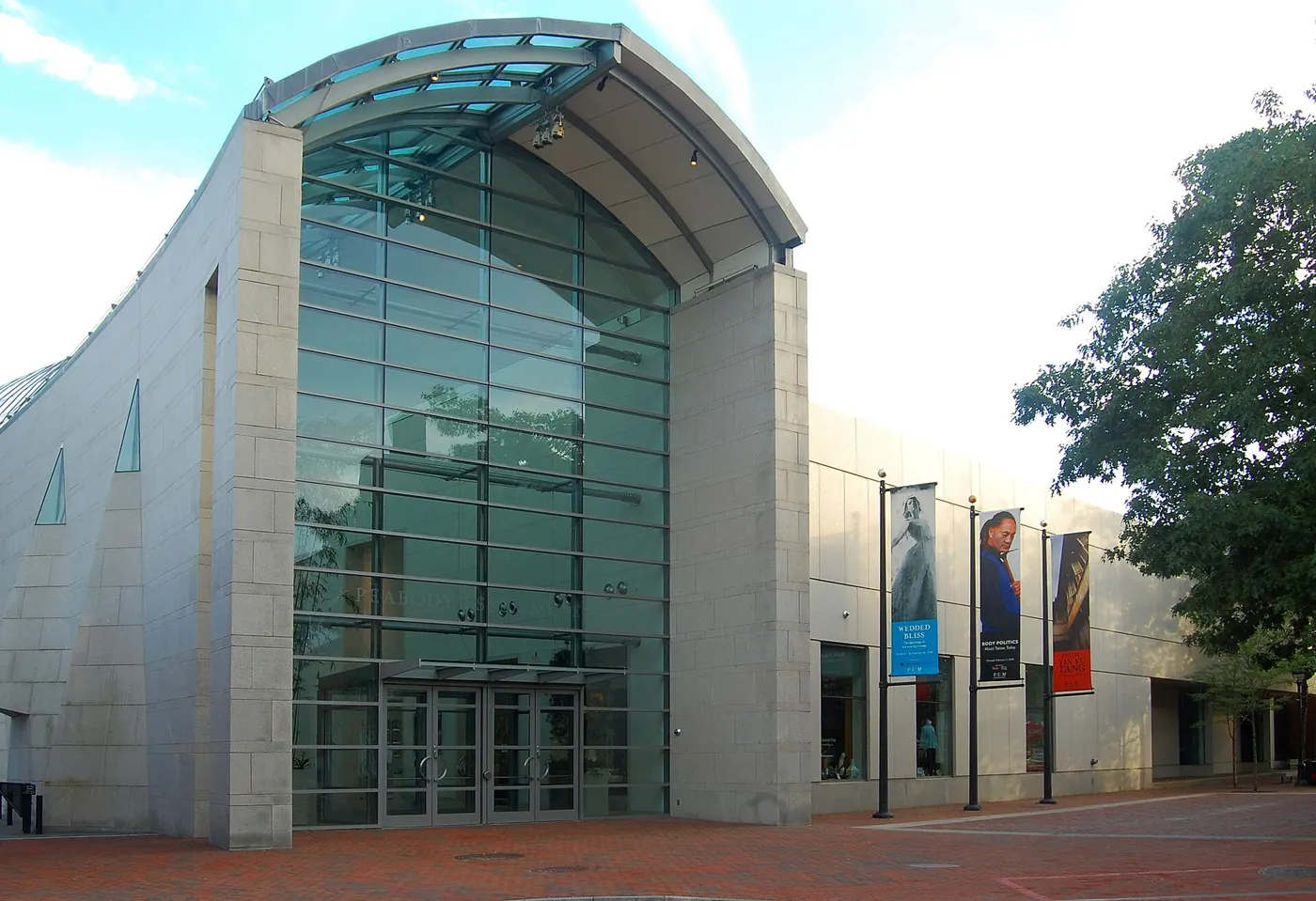
- Peabody Essex Museum. Founded in 1799, it is among the oldest continuously operating museums in the United States and is known for Asian art and for early American maritime trade. Its expansion by Moshe Safdie was completed in 2003. It is a good counterweight on a crowded day.
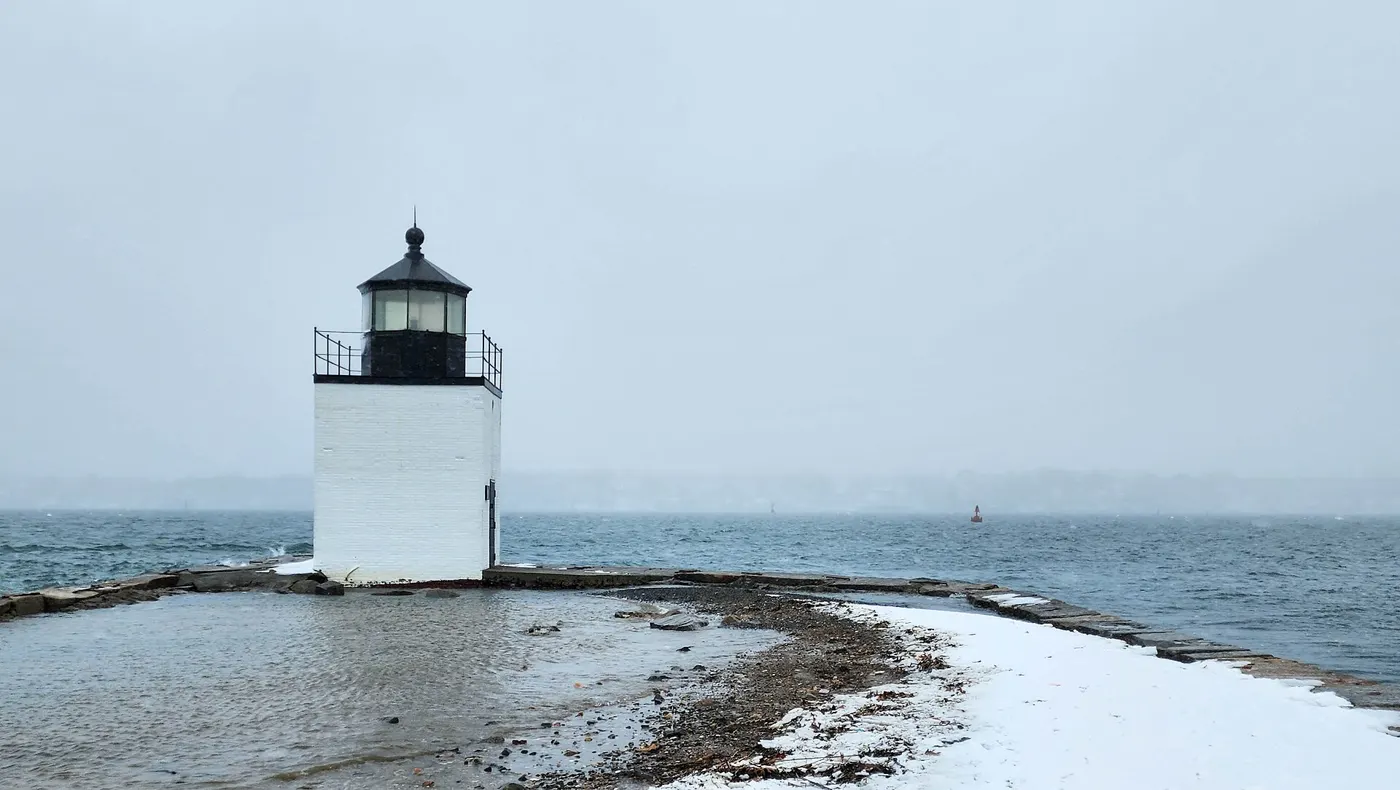
- Salem Maritime National Historic Site. Twelve historic structures and about nine acres of waterfront. Nathaniel Hawthorne worked as overseer of the port in the Custom House from 1846 to 1849.
Opening hours and ticketing change from season to season, and some venues sell timed entry in October, so check each official website before you travel.
Haunted Happenings: Halloween in Salem today
Haunted Happenings is the name of Salem's month-long Halloween programme. Its website lists parades, ghost tours, vendor fairs, museum events and pop-up activities, and it links to Destination Salem, whose visitor information centre is at 245 Derby Street. The festival name and its flying-witch graphic are used with permission from BPM Productions, Inc. Exact 2026 and 2027 programmes are published by the organisers, so check hauntedhappenings.org for dates, parade details and tickets rather than relying on a guide.
What to expect on the ground: costumed crowds on the Essex Street pedestrian mall, ticketed tours that sell out, events nearly every day and an excited, noisy atmosphere that peaks around Halloween night itself. Past official guidance warned of very large crowds on October 31, and a 2017 press estimate projected at least 100,000 visitors that day. Past guides also described streets being cleared late in the evening after the fireworks, so do not plan a tight last connection.
Getting there and getting around
The simplest way is the train. The MBTA Commuter Rail Newburyport/Rockport Line runs directly to Salem Station, and the station is within reach of the Witch Museum area. Check mbta.com for the departure station in Boston, current timetables and any October changes, and allow extra time on busy days. City guidance in past years has urged visitors to take the train or the ferry rather than drive, and has noted that parking and station access can be restricted on Halloween evening. If you must drive, look for official parking and shuttle information on the Destination Salem channels.
Once in town, everything of interest is close together and walking is the best option. Wear comfortable shoes and dress for a cool New England evening.
Tips for visiting in October, and where to stay
- Go midweek if you can, as officials have suggested, and avoid October 31 unless the crowd itself is the point.
- Book tickets for museums and tours ahead where possible.
- Use the Destination Salem app or website for event listings, restrooms and traffic alerts.
- Separate the two experiences: spend a calm morning on the history, then enjoy the festival in the afternoon.
- Leave early in the evening if you are travelling by train.
Accommodation in Salem is in demand during the Halloween season, so decide your dates early. Staying in or near the compact centre saves transport, while the wider North Shore and Boston are alternatives with a commuter-rail trip. You can browse stays on goaway.pt and search for Salem and nearby areas, and compare options for your dates.
Plan your stay
A day is enough to see the main sites, but two days lets you separate the history from the festival. Start with Proctor's Ledge and the Witch House, add the Peabody Essex Museum, and keep an evening for the lights and the crowds. Confirm all times and 2026 or 2027 event details on the official sites, and when you are ready, browse stays on goaway.pt to find somewhere to sleep.